







What is the Blue Flag, Anyway?
Think of the Blue Flag as a global gold standard for beaches. It’s a voluntary eco-label awarded by the Denmark-based Foundation for Environmental Education (FEE) to beaches, marinas, and sustainable tourism boats that meet a strict set of criteria. The
program, which started in France in 1985, is not just about having a pretty shoreline; it’s a comprehensive certification that recognizes a commitment to sustainability, safety, and environmental stewardship. When you see a Blue Flag flying, it signals that the beach is clean, safe, and managed with the highest respect for the local ecosystem. It's a sign of world-class quality that tourists can trust.
The Rigorous 33-Point Checklist
Earning a Blue Flag is no easy feat. Beaches must comply with 33 stringent criteria across four main categories. The first is 'Water Quality', which demands excellent bathing water free from any industrial or sewage-related discharge, with regular testing for bacteria. The second, 'Environmental Management', requires the beach to be clean, with robust waste disposal systems (including recycling), clean toilets, and active conservation of local ecosystems. Third, 'Safety and Services' mandates the presence of lifeguards, first-aid equipment, emergency plans, and accessibility for people with disabilities. Finally, 'Environmental Education and Information' is crucial; the beach must display information about local biodiversity and a code of conduct for visitors. This holistic approach ensures a truly premium and responsible beach experience.
Meet Maharashtra's First Honourees
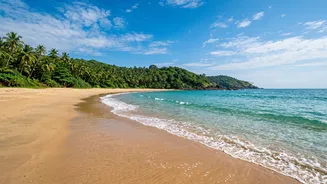
For the 2026-27 season, Maharashtra has made its debut on the Blue Flag map with three of its stunning Konkan beaches receiving the certification: Ladghar and Guhagar in Ratnagiri district, and Shrivardhan in Raigad district. This is a landmark moment for the state's tourism. Guhagar is renowned for its long, pristine stretch of white sand lined with casuarina trees, offering a tranquil escape. Ladghar, also known as 'Tamas Teertha', is famous for the reddish hue of its sand and offers dolphin-sighting tours. Shrivardhan boasts a serene, crescent-shaped shoreline perfect for swimming and is celebrated for its strong community-led waste management systems. These beaches now join an elite list of just over 20 certified beaches in India.
Beyond the Plaque: What It Means for You
For tourists, the Blue Flag certification is a guarantee of quality. It means you can expect impeccably clean water, well-maintained facilities, and a safe environment for you and your family. It elevates a beach trip from a simple day out to a world-class experience. But the impact goes deeper. The certification boosts the local economy by attracting discerning tourists who value sustainability. It provides a powerful incentive for local authorities to maintain and even improve these high standards, as the certification is not permanent and must be renewed annually. This commitment ensures that the natural beauty of the Konkan coast is preserved for generations to come, creating a win-win for both visitors and the local community.