
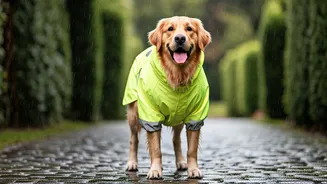


Gear Up in Style
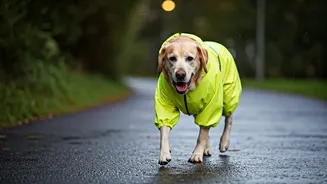
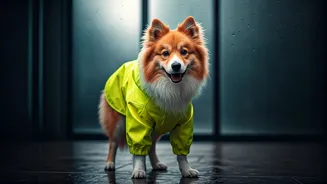
That neon dog raincoat isn't just a style statement; it’s your first line of defence. A waterproof jacket keeps your dog’s coat dry on short potty breaks, preventing the dampness that can lead to skin infections and that persistent ‘wet dog’ smell. Look
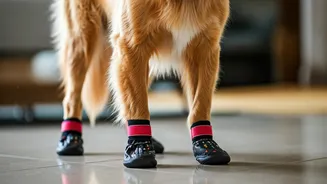
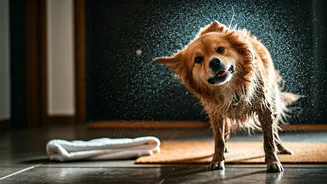
for lightweight, breathable materials that don't trap heat. And don’t forget the paws! Waterproof booties can protect sensitive paw pads from dirty puddles, sharp objects hidden in murky water, and infections. Once back inside, have a dedicated, highly absorbent towel ready by the door to dry them off immediately. Pay special attention to their ears, paws, and underbelly, where moisture loves to hide.
Master the Paw-dicure
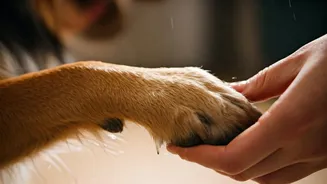
Your pet's paws are in constant contact with wet, muddy surfaces, making them a breeding ground for germs. Make it a non-negotiable rule to wash and thoroughly dry their paws after every single walk, no matter how short. Use lukewarm water and a gentle, pet-safe antiseptic solution if recommended by your vet. Trim the hair between their paw pads to prevent moisture from getting trapped, which can lead to painful fungal and bacterial infections like pododermatitis. Check their paws daily for any redness, swelling, or signs of irritation they might be trying to hide.
Step Up the Grooming Game
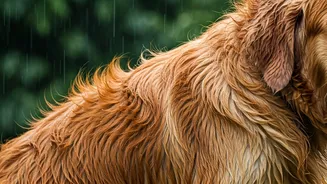
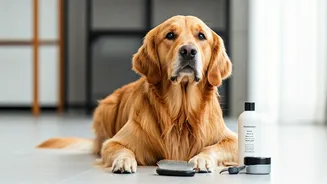
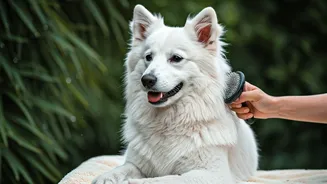
The constant humidity can wreak havoc on your pet’s skin and coat. Damp fur is a magnet for fungal infections and hotspots (acute moist dermatitis). Regular brushing is more important than ever to remove loose fur, prevent matting, and improve air circulation to the skin. You might even consider a shorter "monsoon haircut" for long-haired breeds to help their coat dry faster and make cleaning easier. Avoid frequent full baths with shampoo, as they can strip natural oils, but use waterless shampoos or pet-friendly grooming wipes for quick daily clean-ups.
Bolster Pest Defences
The monsoon is prime time for ticks, fleas, and mosquitoes, which thrive in damp, humid conditions. These pests aren’t just annoying; they carry dangerous diseases like tick fever and heartworm. Ensure your pet’s flea and tick prevention treatment is up-to-date. Consult your veterinarian for the best monthly spot-on treatment, collar, or chewable for your pet's specific needs and your location. Keep their bedding clean and dry, and regularly check their coat for any unwanted critters, especially after they’ve spent any time outside.
Adjust Their Diet and Hydration
With shorter walks and less outdoor activity, your pet's energy expenditure will likely decrease. You may need to slightly adjust their food portions to prevent unnecessary weight gain during the season. More importantly, the monsoon can contaminate water sources. Always provide fresh, clean, boiled or filtered drinking water. Never let your pet drink from puddles or stagnant water, as it can be contaminated with bacteria and viruses, including the one that causes leptospirosis, a serious and potentially fatal disease.
Beat Indoor Boredom
Being cooped up indoors can lead to boredom, anxiety, and destructive behaviour. Keep your pet mentally and physically stimulated with indoor activities. Invest in puzzle toys, treat-dispensing balls, or have short, fun training sessions teaching new tricks. A good game of fetch in a long hallway or a round of 'find the treat' can help burn off excess energy. This is a great time to reinforce your bond while keeping them happy, engaged, and out of trouble when the rain keeps you inside.
Soothe Thunderstorm Anxiety
The loud claps of thunder and flashes of lightning can be terrifying for many pets. Create a safe, cosy den for them—a crate with a comfy blanket, a corner of a closet, or a spot under a bed where they feel secure and can retreat. Play calming music or white noise to help drown out the scary sounds of the storm. Comfort them with your calm presence, but avoid excessive coddling, which can sometimes reinforce their fear. Pheromone diffusers or anxiety wraps can also be effective for some pets.