






More Than Just a Fruit Market
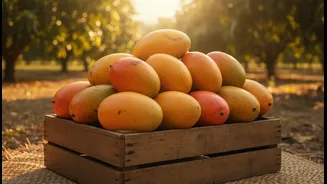
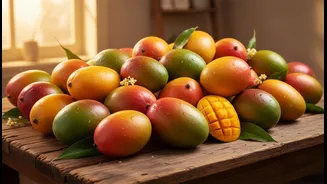
For decades, the Indian summer has been defined by the sweet, intoxicating aroma of mangoes. From the southern Banganapalli to the northern Chausa, each region proudly showcases its prized varieties. But in recent years, this seasonal obsession has matured
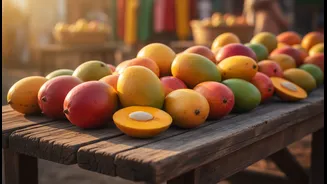
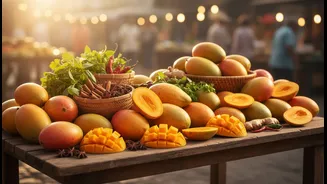
into something far more structured and experiential. Mango festivals, or 'aam mahotsavs', are evolving from humble farmers' markets into large-scale cultural events. These gatherings, held in cities like Delhi, Lucknow, and Pinjore, are no longer just places to buy fruit; they are vibrant platforms for agriculture, culture, and tourism to intersect, drawing tens of thousands of visitors.
A Direct Lifeline for Growers
At the heart of this movement is the empowerment of the farmer. Traditionally, growers are at the mercy of long supply chains and middlemen. These festivals provide a crucial platform for them to sell their produce directly to a massive, enthusiastic customer base. Events like the Uttar Pradesh Mango Festival serve as a formal stage for farmers to connect with both domestic and international buyers, boosting their income and visibility. Organizers note that this model gives farmers increased visibility, transparent sales, and an opportunity to exchange knowledge on modern cultivation techniques, ultimately strengthening the rural economy.
A Journey for the Taste Buds
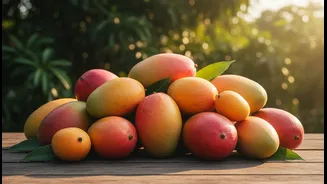
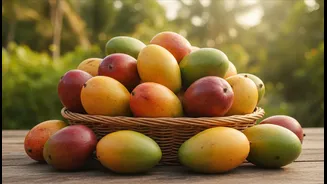
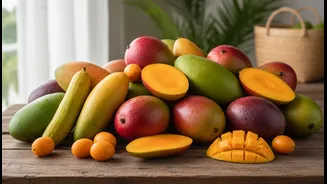
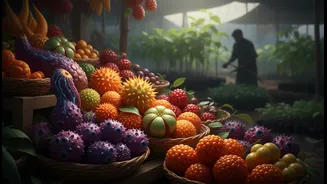
For attendees, these festivals are a paradise of discovery. While everyone knows Alphonso and Langra, these melas offer a chance to taste hundreds of heirloom and lesser-known varieties all in one place. The Delhi Mango Festival, for instance, has showcased over 400 varieties, bringing fruits from Malihabad, Gujarat, and Maharashtra under one roof. Beyond the raw fruit, the culinary creativity is a major draw. Stalls overflow with mango-based creations, from traditional aam panna and pickles to innovative mango softies, jams, and gourmet desserts, offering a complete sensory experience of the season.
The Rise of Mango Tourism
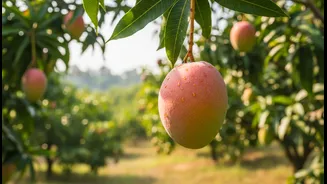
This trend has also given birth to a fascinating travel niche: mango tourism. It's no longer just about attending a festival in a city; it's about traveling to the source. Agri-tourism destinations and farms in regions like the Konkan Coast in Maharashtra, Malihabad in Uttar Pradesh, and Junagadh in Gujarat are inviting visitors for orchard tours, fruit-picking sessions, and farm stays. These experiences offer a deeper connection to the food, allowing travelers to walk through lush orchards, learn about cultivation directly from farmers, and taste mangoes fresh from the tree. Some farms, like Hanu Reddy Raghava Farms near Chennai, have turned the harvest into a full-fledged cultural event with mango-eating contests, bullock cart rides, and overnight glamping.
A Model for a Sweeter Future
The success of these festivals points to a sustainable, community-led model that benefits everyone. Farmers gain financial independence and recognition for their hard work. Consumers get access to incredible variety and a deeper appreciation for India's rich agricultural biodiversity. And local economies receive a boost from the influx of travelers seeking authentic cultural and culinary experiences. As these festivals continue to grow in scale and popularity, they do more than just sell a fruit; they celebrate a shared cultural heritage, promote sustainable practices, and prove that the love for mangoes can be a powerful engine for discovery and connection across the country.