




The Great Monsoon Lie
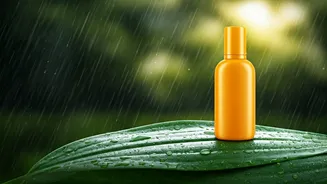
Let’s name the myth right away: “You don’t need sunscreen during the monsoon because it’s cloudy and the sun isn’t out.” It’s a belief as common as the craving for chai and pakoras on a rainy day. The logic feels sound, doesn't it? If you can’t see the sun,
how can it harm you? Your skin already feels sticky and greasy from the humidity, so why add another layer of product? This line of thinking is precisely why so many of us diligently apply sunscreen in May, only to abandon the tube completely by July. This single decision, however, undoes much of our good work and leaves our skin vulnerable when we least expect it.
The Science That Busts the Myth
Here's the crucial fact: the sun’s harmful ultraviolet (UV) radiation doesn't take a vacation during the monsoon. UV radiation comes in two main forms that affect our skin: UVA rays, which cause premature ageing, wrinkles, and pigmentation, and UVB rays, which cause sunburn. Clouds are excellent at blocking visible sunlight and some heat, which is why it feels cooler. However, they are notoriously bad at blocking UV rays. According to dermatologists and skin cancer foundations worldwide, up to 80% of UV rays can penetrate cloud cover. This means that even on the most overcast, gloomy day, your skin is still being exposed to a significant amount of UVA radiation—the 'ageing' rays that penetrate deep into the skin. So while you may not get a sunburn (thanks to fewer UVB rays), the long-term damage like fine lines, dark spots, and loss of collagen is still happening silently.
But My Skin Feels So Oily!
This is the most common and understandable objection. The high humidity during monsoon makes our sebaceous glands work overtime, leading to that perpetual feeling of oiliness and stickiness. The thought of slathering on a thick, creamy sunscreen feels like a recipe for clogged pores and breakouts. But here’s where modern skincare science comes to the rescue. The problem isn’t sunscreen itself, but the *type* of sunscreen you’re using. Forgoing sun protection altogether is not the answer. In fact, sun damage can exacerbate inflammation and pigmentation, making acne scars look darker and last longer. The trick is not to skip the step, but to adapt it for the season.
Choosing Your Monsoon Armour
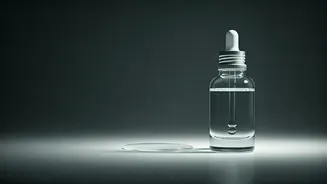
The key to successfully wearing sunscreen during the monsoon lies in the formula. What works for dry winter air will not work for sticky, humid weather. You need to switch to a product that feels comfortable on your skin. Look for sunscreens that are: * **Gel-based or water-based:** These formulas are incredibly lightweight, absorb quickly, and don’t leave a heavy, greasy film on the skin. * **Matte finish:** Many modern sunscreens are designed to control oil and provide a matte look, acting almost like a primer under makeup. * **Non-comedogenic:** This is a crucial term to look for. It means the product is formulated in a way that is not likely to clog your pores, making it ideal for acne-prone or oily skin. * **Broad-spectrum:** This ensures you are protected from both UVA and UVB rays. Always look for a minimum of SPF 30. Exploring these options will transform your experience, making daily application a pleasure rather than a chore.