


The Green Wonder Called Moringa
Before it was a trendy powder in wellness stores across the globe, moringa was just a part of the Indian landscape. Known as the 'drumstick tree' (shevga, murungai), Moringa Oleifera has been a staple in our backyards and kitchens for centuries. Its leaves,
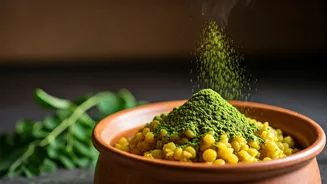
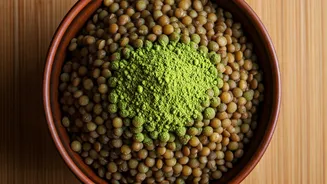
flowers, and drumsticks have been used in regional cuisines from stir-fries in the north to sambar in the south. While we’ve long appreciated the taste of its drumsticks, the incredible nutritional value of its leaves is now taking centre stage. The leaves are harvested, dried at low temperatures to preserve their nutrients, and ground into a fine, emerald-green powder. This powder concentrates the plant's goodness, making it an easy and potent addition to our daily meals.
Deconstructing the 'Superfood' Label
The term 'superfood' isn't a scientific one, but a label given to foods that are exceptionally nutrient-dense. Moringa leaf powder fits this description perfectly. Gram for gram, it is one of the most nutrient-rich plants ever studied. It is packed with vitamins A and C, which are crucial for immunity and skin health. It's also a rare plant-based source of complete protein, containing all nine essential amino acids. Furthermore, it's rich in minerals like iron, which combats fatigue; calcium for bone health; and potassium, which is vital for blood pressure regulation. But perhaps its most significant claim to fame is its high concentration of antioxidants, compounds that fight cell damage in the body. So while 'superfood' might be a buzzword, moringa's impressive nutritional profile is a scientific fact.
Dal: The Perfect Comfort Carrier
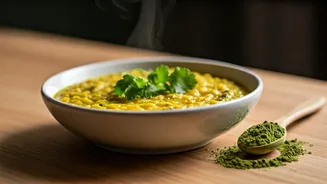
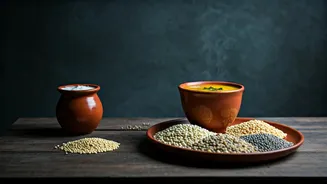
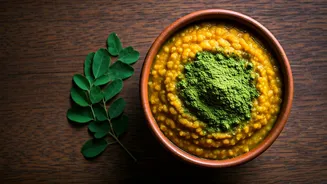
So, where does dal fit into this picture? Everywhere. Dal is the comforting, protein-rich backbone of Indian cuisine. It’s eaten daily in millions of homes, making it the perfect, consistent vehicle for an extra nutritional boost. The earthy, slightly spinach-like taste of moringa powder is mild enough to be easily incorporated without overpowering the beloved flavours of a classic tadka dal or a creamy dal makhani. The texture of the dal helps to seamlessly blend the powder, avoiding any grittiness. By adding moringa to your dal, you are not inventing a new, complicated health food; you are simply enhancing a dish that is already deeply familiar and nourishing. It’s a simple, sustainable habit that integrates modern nutritional science with timeless culinary tradition.
A Boost for Your Body
Regularly incorporating moringa into your diet via dal may offer several health benefits. The potent antioxidants, such as quercetin and chlorogenic acid, can help reduce inflammation throughout the body. Some studies suggest that moringa may help moderate blood sugar levels, making it potentially beneficial for those monitoring their glucose. Its anti-inflammatory and antioxidant properties are also linked to improved heart health. The high iron content makes it an excellent supplement for vegetarians and vegans who are at risk of iron deficiency anaemia. By pairing it with dal, which often contains turmeric (another powerful anti-inflammatory), and is served with a squeeze of lemon (which helps iron absorption), you create a synergistic meal that works harder for your health.
How to Make Your Super-Dal
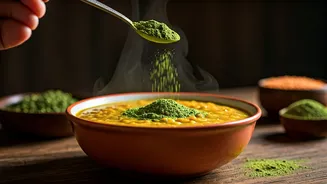
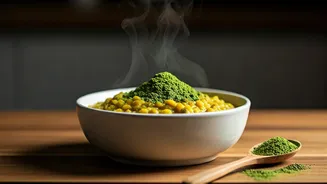
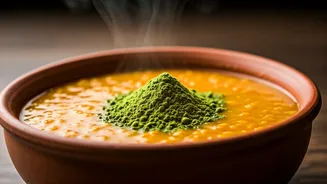
Making moringa dal couldn't be simpler. Prepare your dal—be it toor, masoor, or moong—exactly as you normally would. The key is to add the moringa powder at the very end of the cooking process. High heat can degrade some of its delicate vitamins and antioxidants. A good rule of thumb is to stir in 1 to 2 teaspoons of moringa powder per serving *after* you have turned off the heat, just before you add your tadka. Whisk it in thoroughly to ensure it dissolves completely. The dal will take on a slightly deeper, greener hue, but the taste difference will be subtle. The robust spices of your tadka—mustard seeds, cumin, garlic, and hing—will beautifully complement the earthy notes of the moringa. It’s a tiny change to your routine for a massive upgrade in nutrition.