







Why the Monsoon Demands Flexibility
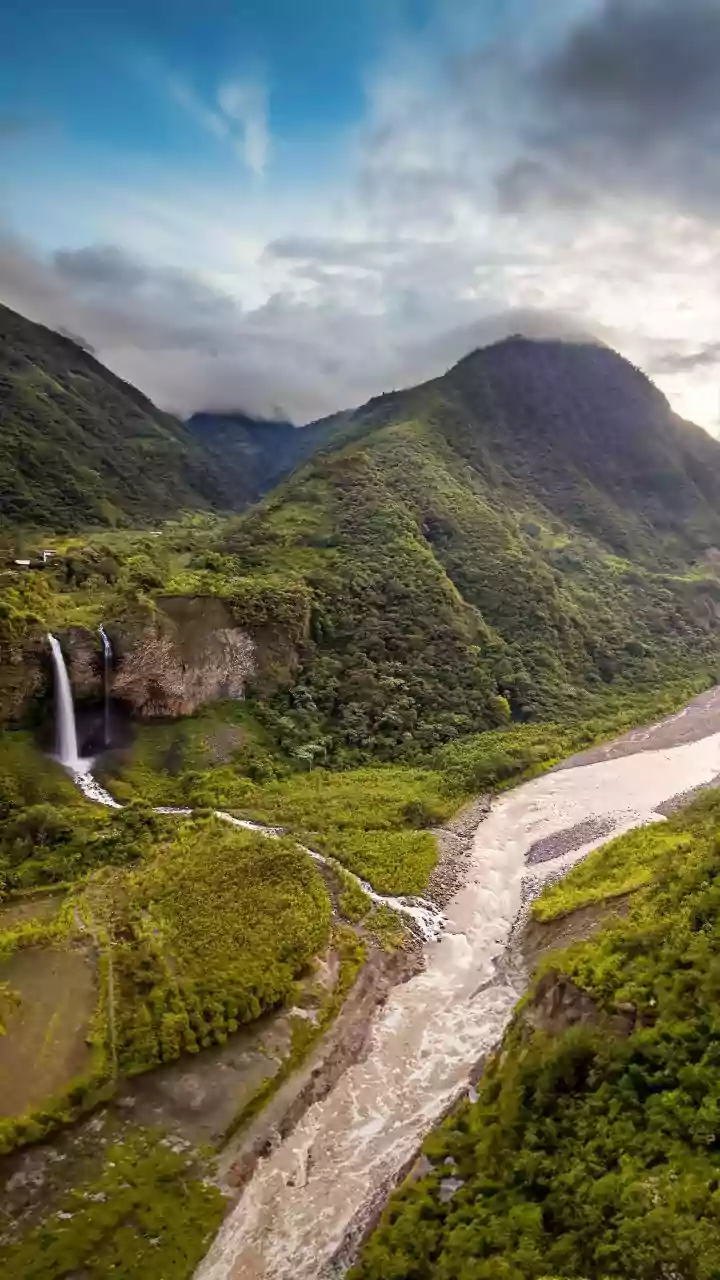
Monsoon travel is a magical experience, from misty hill stations to vibrant green landscapes. However, the same rains that create this beauty can also cause significant travel disruptions. Heavy downpours can lead to flash floods and waterlogging in cities,
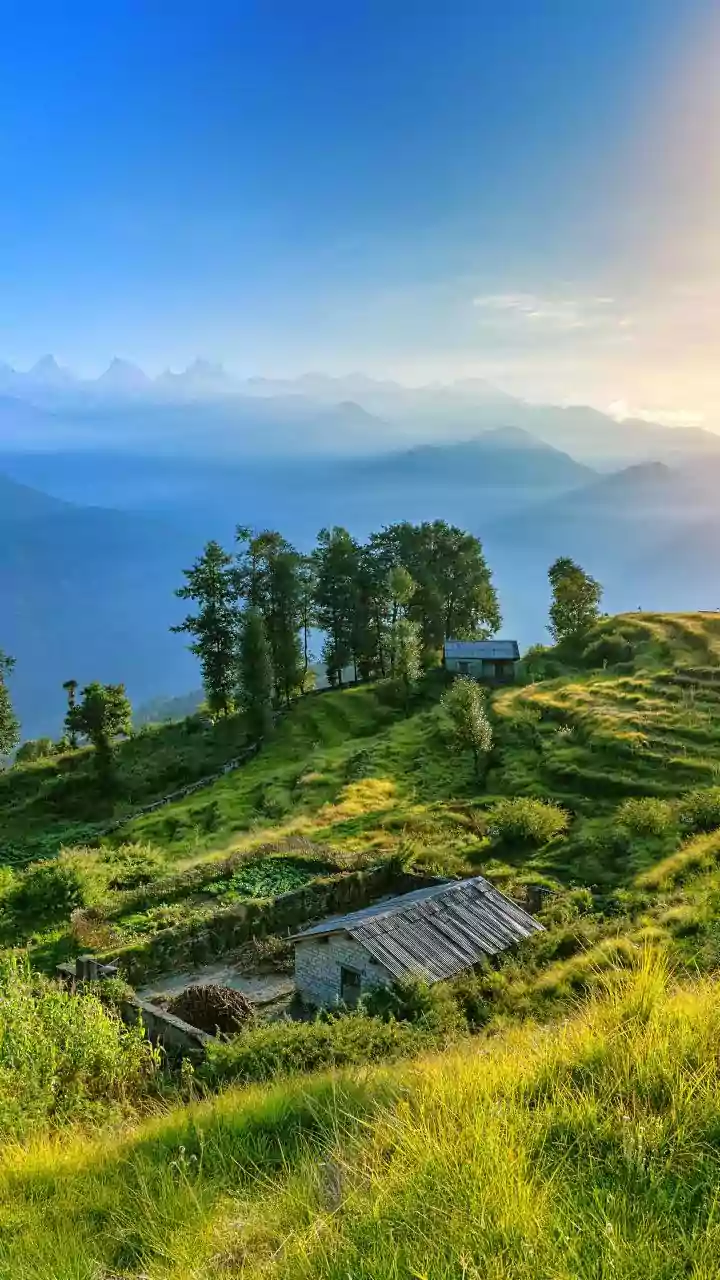
making local travel difficult. In hilly regions like the Himalayas or the Western Ghats, the risk of landslides is real, often leading to road closures that can last for hours or even days. Airlines might delay or cancel flights due to poor visibility or thunderstorms, and the railway network can also face delays. This inherent unpredictability is the number one reason why locking into a rigid travel plan is a risky gamble. A non-refundable booking made months in advance might seem like a good deal, but it becomes a sunk cost if your destination becomes inaccessible or your flight is cancelled.
Decoding 'Flexible Booking'
So, what does it actually mean to book “flexibly”? It’s more than just a marketing buzzword. A flexible booking is essentially a travel reservation that allows you to change or cancel your plans without incurring a significant financial penalty. For flights, this could mean zero cancellation fees, allowing you to get a full refund if you cancel within a specified timeframe. It might also mean free date changes, where the airline lets you move your travel dates without charging a modification fee (though you may have to pay the fare difference). For hotels, look for options with “free cancellation” until 24 or 48 hours before check-in. This gives you the freedom to monitor weather reports and make a last-minute decision. Many online travel agencies now have filters like “free cancellation” or “flexible policies” that make these options easy to find.
The False Economy of Cheap Tickets
It’s tempting to grab the cheapest, most restrictive flight or hotel deal you can find. These “saver” or “lite” options often come with a big catch: they are completely non-refundable and non-changeable. While you might save a few thousand rupees upfront, that saving evaporates the moment your plans are forced to change. If a sudden weather event forces you to cancel your trip, you lose the entire amount. In contrast, a flexible ticket might cost slightly more initially, but it acts as a form of insurance. The small premium you pay is for peace of mind. Think of it this way: the extra cost of a flexible booking is often far less than the cost of booking an entirely new last-minute flight or hotel because your original plan fell through. Smart travellers do the maths and realise that during the monsoon, paying for flexibility is a sound investment.
How to Book Flexibly Like a Pro
Finding these deals is easier than you think. When booking flights directly on airline websites, pay close attention to the fare categories. Airlines like IndiGo, Vistara, and Air India typically offer different tiers, such as 'Flexi' or 'Freedom' fares, which bundle flexibility. On hotel booking portals like MakeMyTrip, Goibibo, or Booking.com, use the search filters to display only properties that offer free cancellation. Always, always read the fine print. Check the exact cancellation deadline—is it 24 hours before check-in, or 72? Understand if you’re getting a cash refund or a credit voucher for future travel. It’s also wise to book directly with the airline or hotel when possible, as resolving issues can sometimes be simpler than going through a third-party agent, though many OTAs now offer excellent customer support for flexible bookings.
Flexibility Beyond Flights and Hotels
A truly smart monsoon travel plan extends flexibility to every component of the trip. If you're renting a car, check the cancellation policy. If you’re booking guided tours or adventure activities, ask the operator about their weather-related contingency plans. Will they offer a refund or reschedule if the activity is cancelled due to rain? This proactive approach minimises the risk of losing money on non-essentials. By adopting a flexible mindset for your entire itinerary, you give yourself the freedom to adapt. If the weather in your planned destination turns bad, you can pivot to a nearby location without losing your deposits. This agility is the hallmark of an experienced and stress-free traveller.