







The Gentle Squeeze: Cold-Pressing Explained
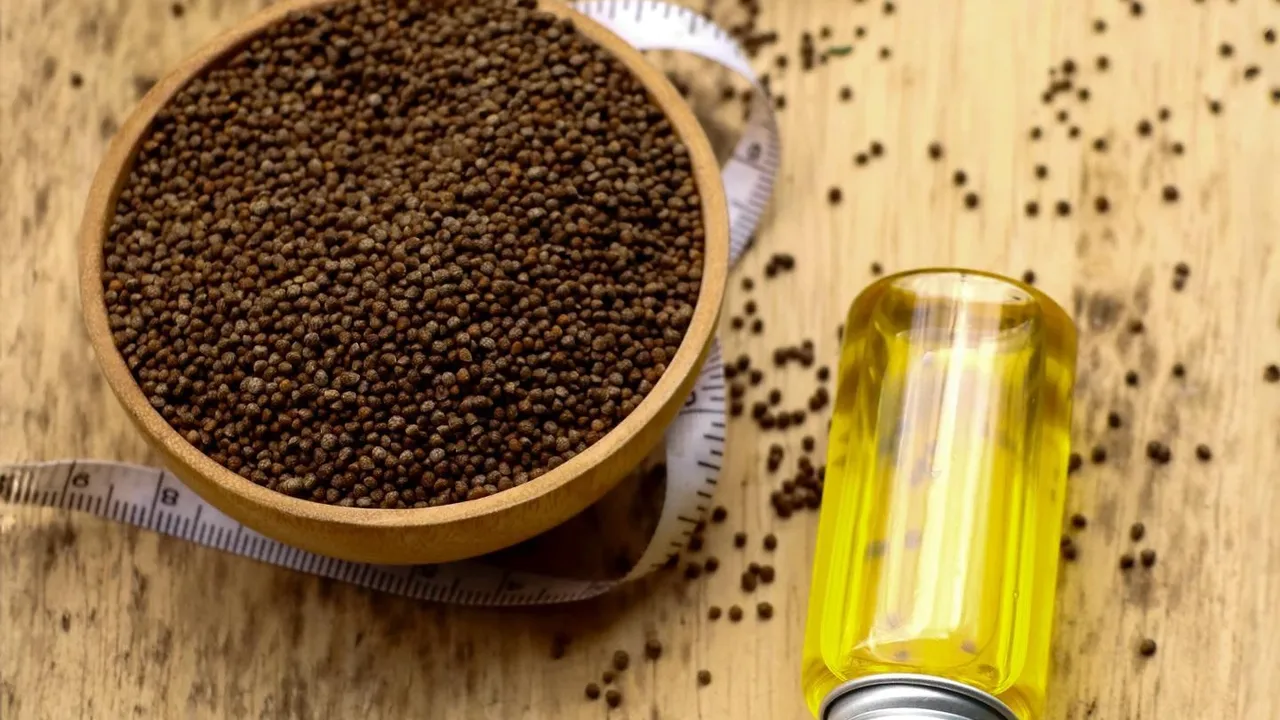
Cold-pressed mustard oil, often known as 'kachi ghani', is made using a simple, traditional method. Mustard seeds are cleaned and then mechanically crushed, usually in a wooden or metal press, at a low temperature. This gentle, slow process applies pressure
to extract the oil without using any external heat or chemical solvents. Think of it as carefully squeezing the goodness out of the seed while keeping its natural character fully intact. Because the temperature is kept low (typically below 50°C), the oil retains the vast majority of its original nutrients, antioxidants, and, most importantly, the compounds that give it its signature flavour and aroma.
The Industrial Process: What is Refining?
Refined mustard oil, on the other hand, undergoes a multi-stage industrial process designed to create a neutral, stable product with a long shelf life. This journey often begins with extracting oil from the seeds using high heat and chemical solvents like hexane. The crude oil is then subjected to several treatments: degumming, neutralization, bleaching, and finally, deodorizing. Each step uses high heat and chemicals to strip away what are considered impurities, including free fatty acids, waxes, and pigments. While this process results in a clearer, milder oil, it also removes the very components responsible for mustard oil's distinct personality.
The Science of That Pungent Kick
The iconic, sharp flavour of mustard oil—that nose-tingling sensation often called 'jhaanj'—comes from a compound called Allyl Isothiocyanate (AITC). This compound doesn't actually exist in the whole mustard seed. Instead, seeds contain a precursor called sinigrin. When the seeds are crushed, an enzyme named myrosinase is released, which reacts with sinigrin to create the volatile and pungent AITC. This chemical reaction is the source of the flavour. The heat and chemical treatments used in the refining process are harsh on this delicate compound, causing it to break down or evaporate, effectively stripping the oil of its pungency. Cold-pressing, being a low-heat process, preserves both the enzyme and the precursor, allowing the flavourful reaction to occur and remain in the final product.
Deciphering 'Smoki-Rich' Flavour
The term 'smoki-rich' in the context of mustard oil can be a bit misleading. It doesn’t mean the oil tastes like smoke. Rather, it refers to a combination of two key attributes ideal for Indian cooking. The first is its high smoke point, around 250°C, which applies to both cold-pressed and refined versions. This makes it excellent for high-heat cooking methods like frying. The 'rich' part of the equation comes from the robust, pungent, and complex flavour profile that is only present in the cold-pressed variant. So, a 'smoki-rich' oil is one that can handle the heat of the wok or kadai while also imparting a deep, authentic flavour to the dish. Refined oil can handle the heat, but it brings almost no flavour to the party.
More Than Just Flavour
The benefits of the cold-press method extend beyond taste. The industrial refining process that strips away flavour compounds also removes many of the oil’s natural nutrients. Cold-pressed mustard oil retains higher levels of Vitamin E, antioxidants, and beneficial fatty acids, including a healthy balance of omega-3 and omega-6. These natural compounds, which are largely lost during refining, contribute to the oil’s overall quality and potential health benefits. When you choose cold-pressed, you are not just choosing more flavour; you are choosing a more complete, less-processed food product.