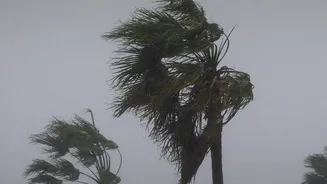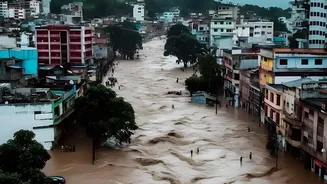








The IMD's Four-Colour System
The India Meteorological Department (IMD) uses a simple, four-colour system—Green, Yellow, Orange, and Red—to communicate the severity of expected weather events. This system is designed to be easily understood by the public and disaster management authorities,
helping everyone take appropriate action. The alerts cover everything from heavy rainfall and thunderstorms to cyclones and heatwaves. The colours represent an ascending order of intensity, providing clear, actionable guidance to help you make informed decisions, especially when planning travel during the unpredictable monsoon season.
Green Alert: All Clear
A Green alert means 'All is Well'. When you see a green warning, it signifies that normal weather conditions are expected and no specific advisory is necessary. For travellers, this is a green light to proceed with your plans without needing any special weather-related precautions. Daily activities can continue as normal, with little or no significant rainfall anticipated. It's the ideal forecast for any journey, indicating that no severe weather is on the horizon.
Yellow Alert: Be Aware
A Yellow alert is a call to 'Be Aware' or 'Watch'. This is a common cautionary warning indicating that weather conditions could change and potentially cause some disruption. For rainfall, it typically signals expected precipitation between 64.5 mm and 115.5 mm in a 24-hour period. While it doesn’t mean you must cancel your plans, it’s a prompt to stay updated on forecasts. Travellers should anticipate the possibility of minor traffic delays due to slower traffic or localised waterlogging in low-lying areas. It's wise to carry a raincoat and be cautious of slippery roads.
Orange Alert: Be Prepared
An Orange alert means 'Be Prepared'. This is a serious warning for bad weather that has the potential to disrupt daily life significantly. It is issued when heavy to very heavy rainfall, typically between 115.6 mm and 204.4 mm in 24 hours, is expected. An Orange alert signifies a heightened risk of traffic congestion, power outages, and flooding. Authorities advise reconsidering non-essential travel. If you must travel, be prepared for major delays, diversions, and dangerous road conditions. Never attempt to drive through deep or fast-flowing water.
Red Alert: Take Action
A Red alert is the highest level of warning and means 'Take Action'. It is issued when extremely severe weather is forecast, posing a significant threat to life and property. For rainfall, this means a forecast of over 204.5 mm within 24 hours. A Red alert indicates a high likelihood of widespread flooding, major disruption to transport and essential services, and extensive damage to infrastructure. During a red alert, authorities will advise people to stay indoors and avoid all non-essential travel. Evacuation from high-risk areas may also be ordered.
Practical Monsoon Travel Tips
Regardless of the alert level, monsoon travel requires extra preparation. Always check the latest weather forecasts from official sources like the IMD before and during your trip. Pack essentials like a raincoat, waterproof bags for electronics, and a first-aid kit with medication for common ailments. Ensure your vehicle is in good condition, especially the tyres and wipers. Drive slowly and defensively, as roads can be slippery and visibility low. It is also wise to have a flexible itinerary, as weather can force last-minute changes to your plans. Avoid street food to reduce the risk of waterborne illnesses and always drink safe, bottled water.