






Why Start with Low-Impact Exercise?
When you're new to exercise, your muscles, tendons, and ligaments aren't yet conditioned to handle high-stress movements. Intense workouts like running or jumping can put excessive strain on your knees, hips, and ankles. Low-impact exercise minimizes
this stress by keeping at least one foot on the ground most of the time. This approach allows you to build a strong foundation, improve cardiovascular health, and increase strength without overwhelming your body, significantly reducing the risk of injury. The goal is consistency over intensity; gentle activities are more sustainable, making it easier to stick to your new routine.
The Best Low-Impact Cardio Options
Cardiovascular exercise is crucial for heart health, and there are many joint-friendly ways to get your heart rate up. Walking is one of the most accessible options; start with 15-20 minutes a day and gradually increase your pace or duration. Cycling, either on a stationary bike or outdoors, is another excellent choice that strengthens your legs with minimal joint strain. For a full-body workout with virtually no impact, swimming and water aerobics are ideal. The water's buoyancy supports your body weight, taking all pressure off your joints while providing gentle resistance. Elliptical machines also mimic running without the jarring impact.
Building Strength Without Stress
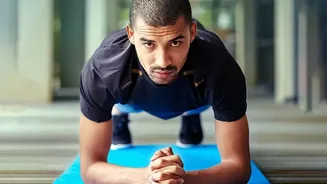
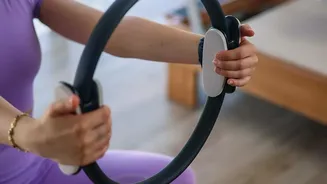
Strength training is vital for protecting your joints, as stronger muscles act as shock absorbers. You don't need heavy weights to start. Bodyweight exercises are highly effective and safe for beginners. Focus on controlled movements like chair squats, where you slowly lower yourself to a chair and stand back up, to build leg strength. Glute bridges, which support the hips and lower back, and planks, which strengthen your core, are also excellent choices. As you progress, you can incorporate light resistance bands to add challenge without adding impact.
Don't Forget Flexibility and Balance
Flexibility and balance are often overlooked but are essential for joint health and injury prevention. Practices like yoga and tai chi involve slow, controlled movements that improve your range of motion, enhance balance, and reduce stiffness. Gentle stretching after your workout is also crucial. It helps keep muscles pliable and encourages the circulation of synovial fluid, which lubricates the joints. Even simple daily movements like ankle circles and gentle leg swings can make a significant difference in maintaining joint mobility.
Putting It All Together: A Sample Plan
To create a balanced routine, aim for consistency rather than perfection. Before any workout, start with a 5–10 minute warm–up, like light walking and arm circles, to prepare your muscles and joints. A good starting goal is to get at least 150 minutes of moderate activity per week. You could structure your week with three days of low–impact cardio (like walking or swimming for 30 minutes) and two days of strength training (focusing on bodyweight exercises). Most importantly, listen to your body. Muscle soreness is normal, but sharp pain is a signal to stop and rest.