





A Familiar Lifespan Puzzle
Across the animal kingdom, larger species typically live longer than smaller ones; think of an elephant versus a mouse. Yet within the single species of domestic dogs, this rule is flipped on its head. For decades, owners and veterinarians have known
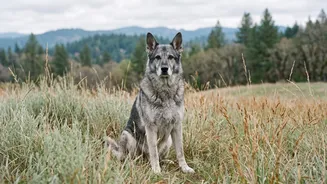
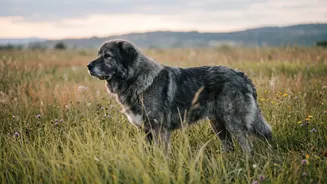
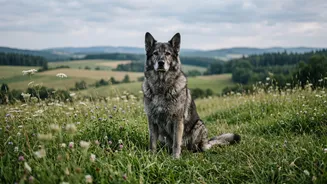
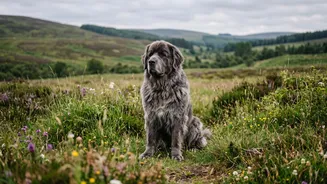
that the bigger the dog, the shorter the lifespan. A tiny Pomeranian might live for 16 years, while an Irish Wolfhound is considered elderly at seven or eight. This 'size-lifespan trade-off' isn't just a curiosity; larger dogs also appear more susceptible to age-related diseases like cancer. For years, the underlying reasons were a mystery, but new research is finally peeling back the layers at the genetic level to find out if big dogs simply die sooner, or if they actually age faster.
The Clue Is in the Epigenome
A recent large-scale study published in the journal 'Science' provides the clearest answers yet. Researchers with the Dog Aging Project analysed DNA from nearly 900 companion dogs, looking not just at their genes, but at their 'epigenome'. The epigenome is a layer of chemical tags on top of DNA that controls which genes are switched on or off. These tags change in predictable patterns as an animal gets older, allowing scientists to create 'epigenetic clocks' that measure biological age, which can differ from chronological age. Using these clocks, the study confirmed that large dogs aren't just living shorter lives—their bodies are aging more rapidly on a molecular level.
Unleashed 'Jumping Genes'
The study zeroed in on a specific epigenetic process: DNA methylation. This process helps keep certain parts of the genome silent and stable, particularly sections called 'transposable elements' or 'jumping genes'. As their name suggests, these genes can copy themselves and move around, and if left unchecked, they can cause damage and instability in the DNA—a hallmark of aging and diseases like cancer. The research found that as dogs age, they naturally lose some of the methylation that keeps these jumping genes in check. Critically, this loss happens much faster in larger breeds. Giant breeds lost the chemical tags on a key jumping gene, known as LINE1, about 35% faster per year than small breeds. This suggests the faster aging in big dogs may be driven, at least in part, by a loss of control over these disruptive genes.
The Cost of Rapid Growth
This accelerated aging appears to be the biological price for rapid growth. Previous research has linked the IGF-1 (Insulin-like Growth Factor 1) gene to both body size and longevity. The very biological pathways that push large breeds to grow so big, so quickly, may also put their cells under greater strain. This rapid cell proliferation can lead to a higher chance of DNA replication errors and mutations that contribute to cancer. Other studies have also pointed to higher levels of oxidative stress in larger dogs. Oxidative stress is an imbalance between damaging free radicals and the body's ability to neutralize them, which can damage cells, proteins, and DNA, contributing to aging and chronic disease.
Caring for Our Gentle Giants
While these genetic findings might seem grim, they don't mean large-breed dogs are destined for poor health. Instead, this knowledge underscores the importance of proactive care. The study itself does not suggest changing how you care for your dog based on these findings alone, but it reinforces established best practices. Regular veterinary checkups are crucial for catching age-related issues early. Maintaining a healthy weight is paramount to avoid putting extra stress on their joints and organ systems. Furthermore, providing a balanced diet rich in antioxidants can help the body combat the cellular damage caused by oxidative stress. While genetics may set the general timeline, a healthy lifestyle can significantly impact a dog's healthspan—the period of their life spent in good health.