








The Allure of the Easy Sort
Let's be honest: hotel booking filters are a traveller's best friend. In a few clicks, you can sift through hundreds of properties to find one that fits your budget, location, and must-have amenities. This feeling of control is what makes platforms like
MakeMyTrip, Booking.com, and Agoda so popular. They present a world of choice, neatly categorised. However, it's crucial to remember that these platforms are not neutral marketplaces. Their default sorting options, often labelled "Our top picks" or "Popularity," are recommendation systems influenced by factors like the commission a hotel pays, its booking performance, and your own search history. What you see first isn't always what's best for you; it's what the algorithm predicts is most likely to result in a booking.
Beyond 'Price: Low to High'
The most common first click for any budget-conscious Indian traveller is sorting by price from low to high. While it feels like a savvy move, it can be deeply misleading. The initial price you see often excludes mandatory taxes, like GST, which can be 12% or 18% depending on the room tariff. Furthermore, this price doesn't account for other potential hidden costs, such as service charges, resort fees, or charges for Wi-Fi and parking. A room that appears cheapest at first may end up costing more than a slightly pricier option that includes these amenities. Always check the final, all-inclusive price before getting excited about a deal. Sometimes, booking directly with the hotel can reveal better rates or perks not available on third-party sites.
Decoding Filters for Families
For families, filters seem like a godsend. "Swimming pool," "free breakfast," and "family-friendly" are popular choices. But what do these labels truly mean? A "swimming pool" could be an Olympic-sized oasis or a tiny plunge pool. "Free breakfast" might be a full buffet or just toast and tea. The term "family-friendly" is especially vague. It's essential to dig deeper. Check the hotel's policy on extra guests and children; many Indian hotels price rooms for double occupancy and charge extra for children above a certain age or for an extra bed. If you need specific amenities like a kitchenette or adjoining rooms, it is always best to call the hotel directly to confirm, rather than relying solely on a filter.
A Solo Traveller's Guide to Smart Filtering
Solo travellers, especially women, prioritise safety above all else. While no filter can guarantee security, using them smartly can help mitigate risks. Instead of just looking for a low price, solo travellers should filter for properties with a "24-hour front desk," which ensures someone is always available. Checking the hotel's location on a map is crucial; a central, well-lit area is preferable to a remote, poorly connected one. Hostels can be a great budget-friendly option for meeting people, but a hotel might offer more privacy and security. Pay close attention to reviews from other solo travellers. Their experiences regarding safety, staff helpfulness, and location accessibility are invaluable and provide a layer of insight that generic ratings cannot.
The Truth Behind Guest Ratings and Reviews
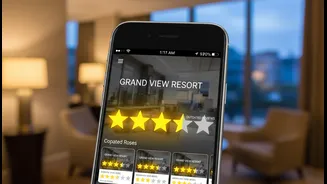
A high guest rating seems like a sure bet, but it's important to be critical. Understand the difference between a hotel's star rating and its guest review score. Star ratings (e.g., 3-star, 5-star) are an objective measure of amenities and facilities a hotel has. Guest reviews, on the other hand, are subjective and reflect personal experiences. When looking at reviews, don't just look at the overall score. Read recent comments to get a current picture of the hotel's condition and service. Look at guest-uploaded photos, which often provide a more realistic view than the hotel's own professional shots. Be wary of reviews that seem fake or overly generic; detailed, balanced reviews from verified guests are the most trustworthy.