

More Than Just Music Videos
If you think this is just a rerun of the MTV era, you're missing the crucial plot twist. The music video revolution of the 1980s was a one-way broadcast; artists created a visual, and audiences watched it. Today's visual storytelling is a two-way conversation.
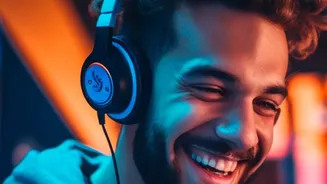
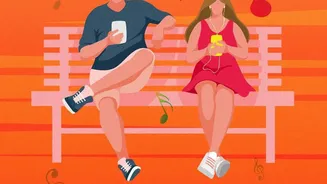
Driven by short-form video platforms like TikTok, Instagram Reels, and YouTube Shorts, a song is now a prompt. A 15-second audio clip becomes the soundtrack for millions of micro-stories, dance challenges, and personal confessions created by users themselves. This user-generated content doesn't just promote a song; it embeds it into the cultural fabric, with fans becoming active participants in a track's journey to virality. The experience is no longer about passive consumption but active co-creation.
The Algorithm as the New DJ
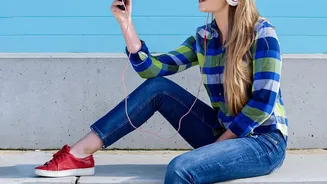
For younger listeners, music discovery is less about curated radio shows and more about the endless scroll. Over 80% of Gen Z use social media for music discovery, with platforms like TikTok being a primary starting point. Songs with catchy hooks, dramatic beat drops, or emotionally resonant lyrics are favored by the algorithm, which rewards reusable audio segments. This has a tangible effect on songwriting, with many artists now structuring tracks with a potential 15-second viral moment in mind. However, this algorithmic exposure is often just the beginning of the journey. While a song might become ubiquitous on social feeds, that doesn't automatically translate to fandom. The visual hook is the front door, but listeners often seek deeper, human-curated connections to become true fans.
Artists as World-Builders
Recognizing this shift, savvy artists no longer treat visuals as a post-production afterthought. They are becoming architects of entire visual universes. From the elaborate lore of a concept album to a consistent aesthetic across social media, the visual identity is crafted in tandem with the music. This can manifest as cinematic visual albums, a practice popularized by artists like Beyoncé and Donald Glover, which turn a record into a narrative film. On a smaller scale, it’s about maintaining a cohesive look and feel—from Y2K-inspired camcorder effects to specific color palettes—that gives fans a world to buy into. This world-building helps an artist's work feel more immersive and gives listeners a reason to invest emotionally, creating a stickiness that a catchy chorus alone might not achieve.
A New Language of Fandom
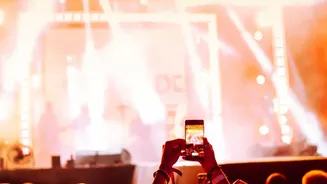
Ultimately, the fusion of music and visual storytelling is redefining the relationship between artists and their audience. The music provides a soundtrack, but the visuals provide a shared language and sense of community. Fans don't just listen to the music; they participate in its aesthetic, dissect its hidden meanings, and use it to forge their own identities online. Sharing behind-the-scenes content, tour diaries, and unpolished creative moments helps artists turn algorithmic curiosity into genuine connection. This vulnerability is a powerful asset in an era where audiences are wary of manufactured virality. For younger listeners, a great artist isn't just someone who makes great songs—it's someone who tells a great story, and invites you to be a part of it.