




More Than Just a Meal
Welcome to the era of experiential dining, a trend that is rapidly moving from the fringes of high-concept restaurants into the mainstream. Today's diners, particularly younger generations, are seeking more than just good food; they want a memory, an event,
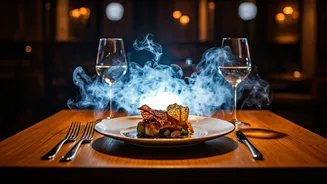
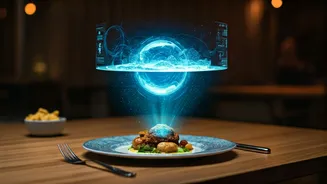
and a story worth sharing. This shift is fuelling a demand for 'eatertainment,' where restaurants blur the lines between food and performance. The concept is simple: engage all the senses to create an unforgettable occasion. This might involve anything from dining in complete darkness to heighten taste and smell, to interactive meals where diners participate in the creation or narrative of their food. Research shows that a significant number of consumers are willing to pay more for a unique dining experience, signaling a major change in what people value when they eat out.
Setting the Stage with Light
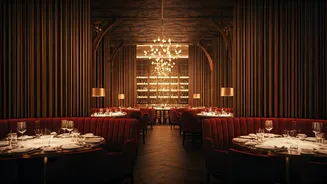
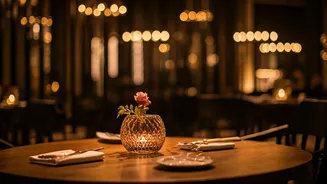
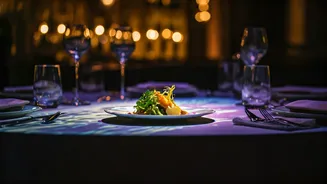
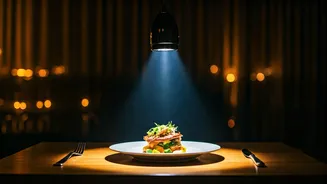
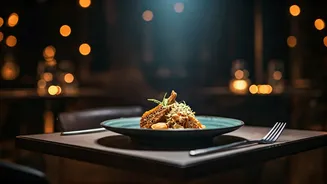
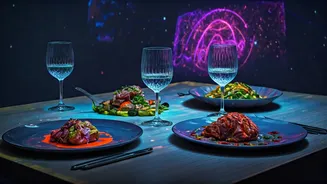
Lighting has always been a key component of restaurant design, but its role is becoming more dynamic and central to the experience. It's a powerful psychological tool that can dictate the entire mood of a space. Soft, warm lighting can create an intimate, cozy atmosphere that encourages guests to relax and linger, making food appear more appetizing and even taste better. Conversely, bright lighting is often used in fast-casual spots to create energy and encourage quicker turnover. In the new wave of immersive dining, however, lighting is an active participant. Think projection mapping that transforms the walls and even the table into a dynamic canvas, with visuals changing for each course to match a story. Some high-tech venues use intelligent lighting systems that adjust based on the time of day or the specific dish being served, turning a simple meal into a visual spectacle.
Every Dish Tells a Story
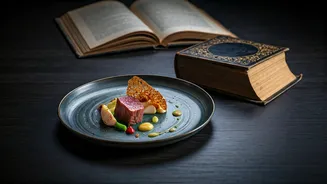
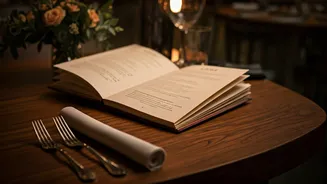
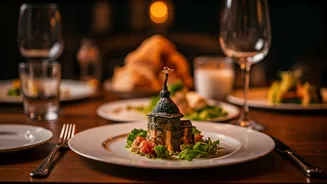
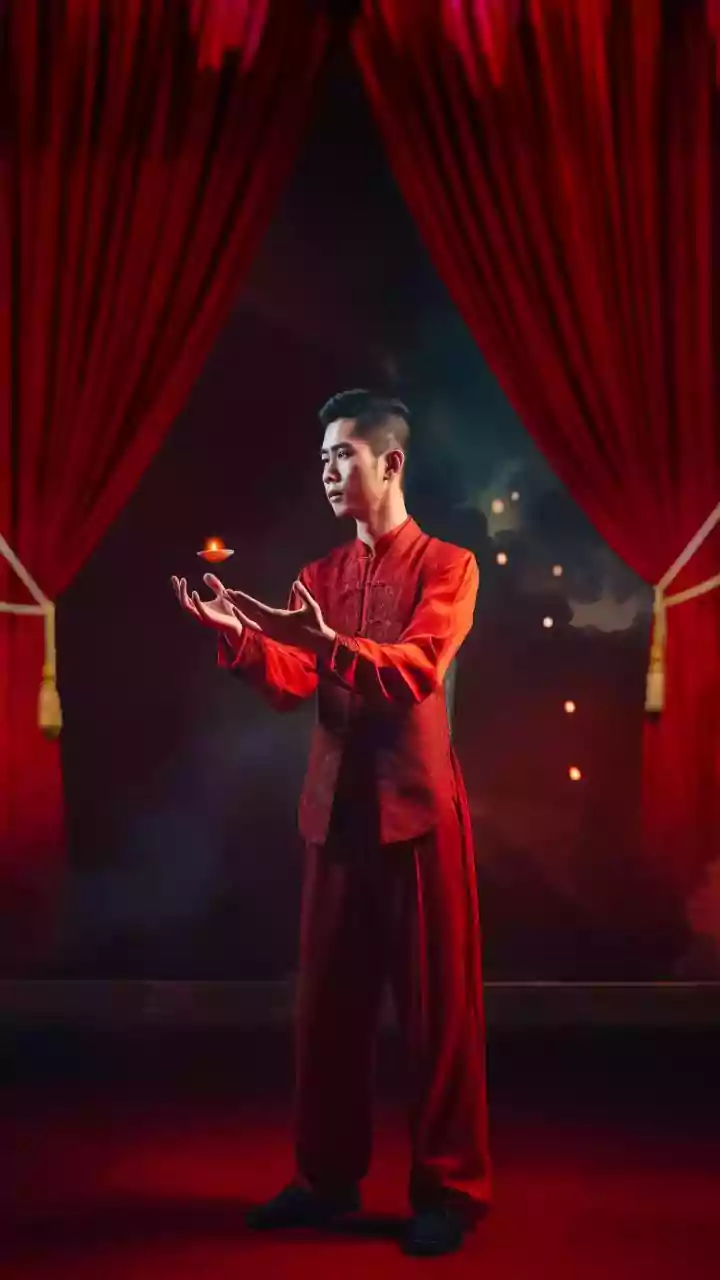
The other half of this new equation is storytelling. Restaurants are crafting strong narratives that are woven through every aspect of the dining experience, from the decor and staff uniforms to the menu itself. This gives diners a sense of place and purpose, making the meal feel more meaningful than transactional. A menu might be designed as chapters in a book, with each course advancing the plot. For example, a restaurant in Turin, Brace Pura, uses the grill as a narrative element to explore ancestral cooking methods. Some experiences are even more explicit, like 'Le Petit Chef,' where a tiny animated chef appears to prepare your meal on your plate via projection before the real dish is served. This approach turns dining into a form of theatre, where guests become part of the story.
Why This Matters for Your Next Meal Out
This trend is more than just a gimmick; it's a response to a changing consumer landscape. In a world saturated with options, a unique experience is the ultimate differentiator. Social media has also played a huge role, as diners are eager to capture and share moments that are visually stunning and out of the ordinary. For restaurants, creating an immersive, story-driven atmosphere is a way to build a deeper connection with customers and encourage repeat business. While not every restaurant will feature holographic chefs or complete darkness, the core principles of thoughtful lighting and a clear narrative are becoming essential. Even a local cafe can tell a story through its sourcing, its history, or its connection to the community. The rise of experiential dining signals a desire for more connection, more entertainment, and more wonder in our everyday lives.