




A Taste of Tradition
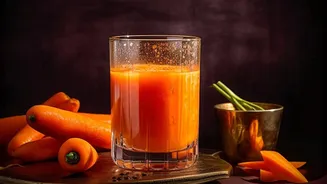
For generations, the arrival of winter in Northern India has been heralded by the appearance of deep purple carrots in the markets. These aren't your typical orange variety; they are black carrots, the star ingredient of Kanji. At its core, Kanji is a simple,
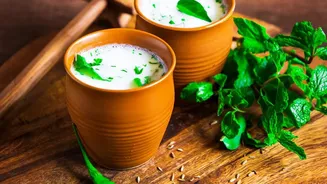
naturally fermented beverage. Black carrots are chopped and placed in large glass or ceramic jars with water, salt, and coarsely ground mustard seeds (rai). This mixture is then left in the sun for several days to ferment, a process that transforms it into a tangy, pungent, and deeply flavourful drink with a stunning ruby-red hue. Traditionally prepared in homes across Punjab, Uttar Pradesh, and Rajasthan, it's a staple during the winter months and especially popular around the festival of Holi. It’s a taste many associate with childhood and family heritage—a sour, spicy kick that warms you from the inside out.
Nature’s Probiotic Powerhouse
The renewed interest in Kanji isn't just about nostalgia; it’s firmly rooted in the global wellness movement. The fermentation process makes Kanji a natural probiotic, teeming with beneficial bacteria that are excellent for gut health and digestion. In an era where terms like 'gut-friendly' and 'fermented foods' are buzzing, Kanji fits right in as an indigenous alternative to kombucha or kefir. The drink is a powerhouse of nutrients. Black carrots are rich in anthocyanins, powerful antioxidants that give them their dark colour and are known to fight inflammation. Kanji is also a good source of Vitamin C and other essential minerals, making it a potent immunity booster. This combination of digestive benefits and antioxidant properties makes it a compelling choice for health-conscious consumers.
The Modern Juice Bar Makeover
As consumers increasingly look for authentic, clean-label products, modern entrepreneurs and juice bars are seeing the potential in this traditional drink. The Indian fermented food and beverage market is experiencing significant growth, with a renewed focus on heritage recipes presented in convenient, modern formats. Urban juice bars and wellness cafes are now bottling Kanji, positioning it as a premium 'probiotic shot' or a refreshing health tonic. This new iteration often involves subtle tweaks to the traditional recipe to appeal to a wider palate. Some are experimenting with milder fermentation for a less pungent taste, while others add complementary ingredients like ginger, mint, or beetroot for colour and added nutrients. The packaging is also getting an upgrade, with sleek glass bottles and minimalist labels that highlight its probiotic content and natural ingredients, making an old-world drink feel fresh and aspirational.
Beyond the Black Carrot
The revival of black carrot Kanji is part of a larger trend of reclaiming and celebrating indigenous Indian food wisdom. Bartenders and beverage creators are increasingly looking to local, seasonal ingredients and traditional techniques like fermentation to craft unique flavour profiles. While black carrot remains the classic, the principles of Kanji can be applied to other vegetables. Recipes using beetroot, turnips, and even Indian gooseberries (amla) exist, each offering a different nuance in taste and nutrition. This flexibility allows for endless innovation. As the interest in fermented foods continues to grow, we may see a whole family of Kanji-style drinks emerge, each telling a story of its region and season. It reflects a growing confidence in Indian culinary traditions, seeing them not as relics of the past but as a rich source of inspiration for the future.