




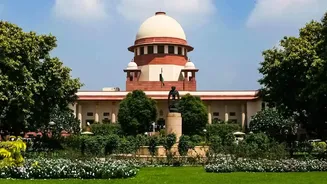

A recent Supreme Court directive is set to change a fundamental aspect of buying a train ticket in India. The order focuses on travel insurance, aiming to bridge a long-standing gap between online and offline ticket purchasers.
What Did the Supreme Court Order?
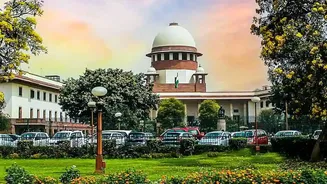
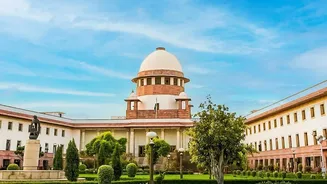
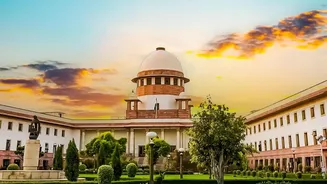
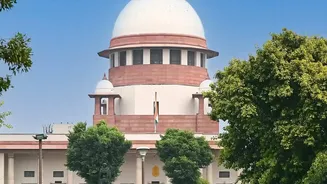
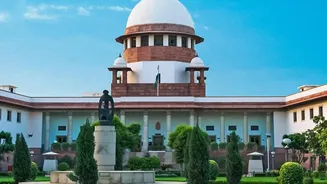
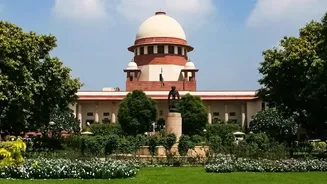
The Supreme Court has issued
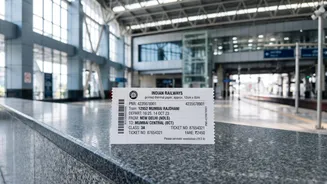
a mandatory direction to Indian Railways to provide travel insurance for all tickets sold at station counters, effective from October 27, 2026. A bench of Justices Ahsanuddin Amanullah and R. Mahadevan made it clear that this was not an optional feature but a compulsory directive. The court stated that the insurance provided for counter-bought tickets must be identical to the coverage offered to passengers who book their tickets online through the IRCTC portal. The bench held the Railway Board directly responsible for any failure to implement this order, emphasizing the urgency and non-negotiable nature of the directive.
The Case and Its Origins
This significant order did not arise in isolation. It is part of a wider case the court has been hearing regarding railway safety, which was initiated in the aftermath of the tragic Odisha train accident in June 2023. While the initial petition focused on an independent probe and the implementation of the 'Kavach' anti-collision system, the court expanded the case's scope to address broader passenger welfare issues. The court expressed its dissatisfaction with the Railways' lack of progress on extending insurance to all, noting it had previously given authorities ample time to create a mechanism for those who buy tickets at counters, who are often from the 'lowest strata of society'.
Bridging the Digital Divide
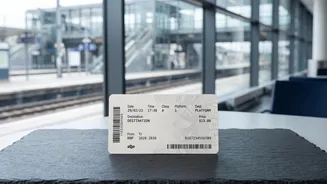
Until this order, a clear disparity existed. Passengers booking tickets online via the IRCTC website or app could opt for travel insurance by paying a nominal fee of just 45 paise per passenger. This facility was completely unavailable to millions of people who purchase their tickets physically at railway station counters. The Supreme Court's intervention aims to dismantle this digital divide, ensuring that access to financial protection in case of an accident is not dependent on a passenger's ability or choice to book online. The court noted that those who rely on counters should not be deprived of such a crucial safety net.
What the Insurance Covers
The existing optional insurance policy for online tickets, which will now serve as the model for counter tickets, provides significant coverage. It includes financial compensation of up to ₹10 lakh for accidental death or permanent total disability. The policy also covers permanent partial disability up to ₹7.5 lakh, hospitalisation expenses for injuries up to ₹2 lakh, and ₹10,000 for the transportation of mortal remains. This coverage applies to specified 'untoward incidents' like train accidents, derailments, and collisions during the journey. The mandatory inclusion of this policy for all passengers is a major step towards bolstering financial security for travellers and their families.
What Happens Next?
With the October 27 deadline looming, the Railway Board is now tasked with the swift implementation of the court's order. This involves creating a seamless mechanism to attach an insurance policy to every counter-booked ticket, handling the premium collection, and defining the process for issuing certificates and managing claims for offline bookings. While the premium for online tickets is a mere 45 paise, the final cost and process for counter tickets will be confirmed by the authorities. For passengers, this means that every ticket purchase, regardless of the channel, will soon come with an added layer of financial protection, a change that fundamentally enhances the social security net for the nation's primary mode of long-distance transport.