





What Are the Orionids?
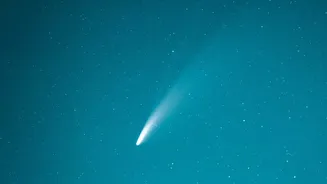
The Orionid meteor shower is considered one of the most beautiful of the year. These shooting stars are actually tiny pieces of cosmic debris left behind by the most famous comet of all: Halley's Comet. Each October, as Earth passes through this trail
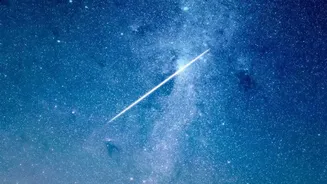
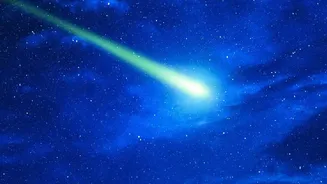
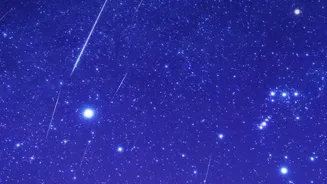
of dust and ice, the particles burn up upon entering our atmosphere, creating brilliant streaks of light. They are known for being particularly bright and fast, travelling at around 66 kilometres per second. Some of these swift meteors leave behind glowing "trains" of incandescent gas that can linger for a few seconds after the meteor has vanished. The shower gets its name because the meteors appear to radiate from a point near the well-known constellation Orion, the Hunter, but they can be seen streaking across any part of the sky.
When and Where to Watch in 2026
While the Orionid meteor shower is active from early October to early November, the best time to watch is during its peak. In 2026, the peak occurs on the night of October 21st and into the pre-dawn hours of October 22nd. During the peak, you might see 15 to 25 meteors per hour under perfect, dark-sky conditions. This year, a bright moon will light up the sky for much of the evening. However, there is a perfect window for viewing: the moon sets around 3 a.m. local time, creating a dark, moonless sky until dawn begins to break. This period, from roughly 3 a.m. until 5:30 a.m., will be your prime time for spotting meteors. You don't need to stare directly at the constellation Orion; in fact, looking about 45 degrees away from it will often reveal meteors with longer, more dramatic tails.
How to Prepare for the Show
The best part about watching a meteor shower is that you don't need any special equipment. Your eyes are the only tool required. The most important preparation is to find a suitable location. Even in a city, you can improve your chances by seeking out a spot with a wide, open view of the sky and as little direct light as possible. Think of large parks, sports fields, or even an upper-floor balcony that isn't directly under a streetlamp. Check the weather forecast for clear skies before you go. Comfort is also essential, as you'll be outside for a while. Bring a reclining lawn chair or a thick blanket to lie on. Dressing in warm layers, even on a mild night, is a smart idea, as you'll cool down quickly while sitting still.
Simple Tricks for City Stargazers
Urban light pollution is the biggest challenge for seeing meteors, but it's not an insurmountable one. The key is to allow your eyes to fully adapt to the darkness. This process, called dark adaptation, takes about 20 to 30 minutes. During this time, you must avoid looking at any bright lights, especially your phone screen. If you need to use a light, a red-light flashlight is best as it interferes less with your night vision. Try to position yourself so that a building, a tree, or a hill blocks the brightest nearby sources of light. Another simple trick is to cup your hands around your eyes to block out peripheral glare. This can create a darker field of vision and make it easier to spot the faint streaks of meteors against the hazy city sky.
Patience is Your Best Tool
Meteor showers are not like a fireworks display with constant action. They are a patient observer's game. There will be lulls with no activity, followed by a sudden, brilliant streak of light. The longer you watch, the more meteors you are likely to see as your eyes become more accustomed to the dark. Instead of scanning the sky frantically, simply lie back, relax, and take in as wide a view as possible. Watching a meteor shower from the city requires a bit more dedication than watching from the countryside, but the reward is the same: a moment of cosmic wonder, a fleeting connection to a comet that journeys through our solar system once in a lifetime, all visible from your own corner of the world.