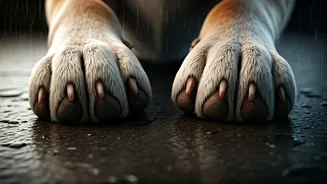



What is Paw Pododermatitis?
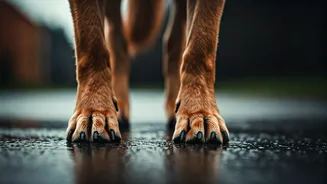
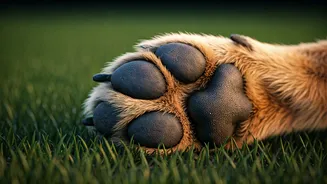
Pododermatitis isn't a specific disease, but a general term for inflammation of the skin on the paws. It can affect one or all four feet, involving the skin between the toes, the paw pads, and even the nail beds. The condition is often complex, triggered
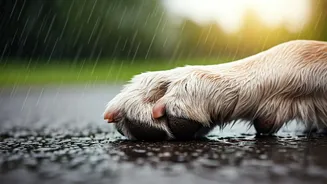
by a primary cause but made worse by secondary infections. Think of it as an angry, persistent rash on the part of your dog's body that's always in contact with the ground. During the monsoon, the chances of this inflammation flaring up increase dramatically due to constant exposure to moisture and mud.
Why the Monsoon is a High-Risk Season
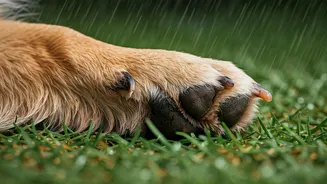
The combination of heat and humidity during the Indian monsoon creates a perfect breeding ground for bacteria and fungi. A dog's coat and paws may not dry completely between walks, trapping moisture against the skin. This constant dampness weakens the skin's natural protective barrier, making it easier for infections to take hold. Every puddle your dog gleefully splashes through can be filled with dirt and contaminants that get lodged between their toes. This environment of trapped moisture and dirt is the ideal setup for yeast and bacterial overgrowth, leading to painful paw infections.
Signs and Symptoms to Watch For
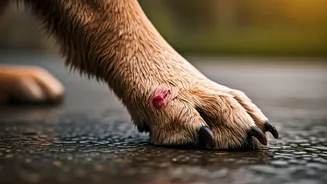
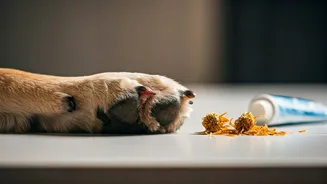
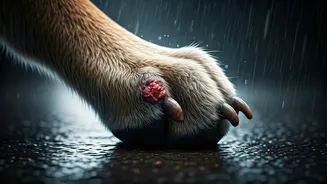
The most obvious sign of paw trouble is your dog excessively licking, chewing, or biting at their feet. This is a clear indicator of itchiness and discomfort. When you inspect their paws, look for redness and swelling, especially in the webbing between the toes. Other tell-tale signs include hair loss on the paws, bumps or nodules, a foul or yeasty smell, and sometimes a sticky discharge. In more severe cases, you might notice ulcers or bleeding, and your dog may start limping or become reluctant to walk due to pain. Often, the fur on the paws of light-coloured dogs will have a reddish-brown stain from the pigments in their saliva due to constant licking.
The Golden Rule: Keep Paws Clean and Dry
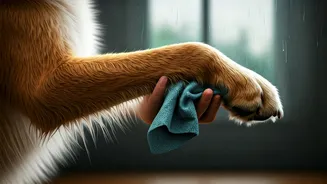
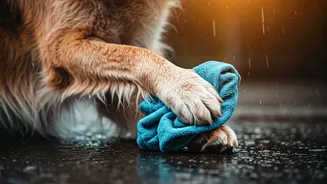
Prevention is the most effective strategy. The cornerstone of monsoon paw care is a simple but non-negotiable routine: clean and dry your dog's paws immediately after every single walk. Use a clean towel and lukewarm water to gently wipe away any mud and debris. For a more thorough clean, a mild, pet-safe paw cleanser or shampoo can be used. The most crucial step is drying, especially between the toes where moisture loves to hide. A microfibre towel is excellent for this. Taking these five minutes after a walk can prevent the vast majority of monsoon-related paw problems.
Preventative Care and Grooming
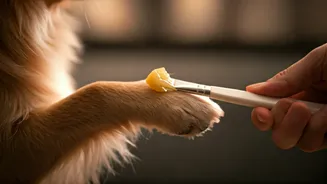
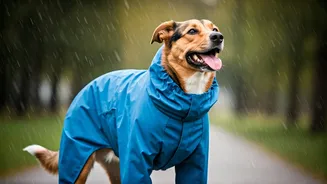
A little extra grooming goes a long way. Keep the hair between your dog’s paw pads trimmed short. Long fur acts like a sponge, trapping water and dirt, which increases the risk of infection. Regularly trimming their nails also helps prevent the accumulation of grime underneath. For dogs who will tolerate them, waterproof booties can be a great way to keep paws completely dry and clean during walks. Alternatively, applying a layer of protective paw wax or balm before heading out can create a barrier against moisture and irritants.
When to Consult Your Veterinarian
While good hygiene can prevent many issues, it's important to know when to seek professional help. If you notice any open sores, persistent limping, significant swelling, or a foul smell that doesn't go away with cleaning, it's time to call the vet. These could be signs of a deep infection that requires medical treatment, such as topical medications or oral antibiotics. Pododermatitis can also be a symptom of underlying issues like allergies or hormonal imbalances, which a vet will need to diagnose. Do not use human creams or ointments, as they can sometimes make the problem worse or be toxic if licked.