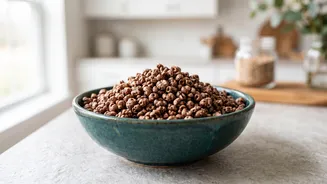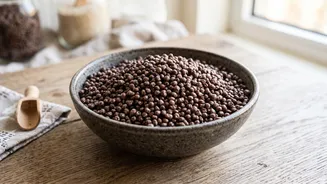








The 4 p.m. snack attack is real, and the hunt for a crunchy, satisfying, yet healthy option is relentless. In one corner, we have timeless popcorn. In the other, the nutritious puffed ragi. This is your guide to choosing your champion.
Meet the Contenders
Popcorn, a beloved
whole-grain snack, is a movie-night staple made by heating corn kernels until they burst. It's been a global favourite for centuries. Puffed ragi, also known as finger millet or 'nachni', is a traditional Indian superfood that is gaining modern appeal. These snacks are made from ragi flour, often mixed with other grain flours like jowar and corn, and then baked or roasted into light, crispy puffs. Both offer a satisfying crunch, but their nutritional profiles tell different stories, especially when it comes to fibre.
The Main Event: A Fibre Face-Off
Fibre is crucial for digestive health, managing blood sugar, and promoting a feeling of fullness, which can aid in weight management. When comparing these two snacks, the winner is clear: popcorn. Air-popped popcorn is exceptionally high in fibre, providing about 14.5 grams per 100-gram serving. This makes it one of the best dietary sources of fibre available. Ragi itself is also a good source of fibre, with the whole grain containing around 11 grams per 100 grams. However, when processed into commercial puffed snacks, the final fibre content can vary depending on the other ingredients mixed in. While still a fibrous option, plain popcorn generally retains more of its whole-grain fibre integrity.
Beyond Fibre: The Nutrient Story
While popcorn wins on fibre, ragi shines in other areas. Ragi is a nutritional powerhouse, celebrated for its incredible calcium content, which is vital for bone and teeth health. Per 100 grams, ragi contains roughly 344mg of calcium, significantly more than other cereals. It's also a rich source of iron, which helps prevent anaemia, and protein. Popcorn, as a whole grain, offers its own benefits, including a good amount of protein, B vitamins, and magnesium. It is also packed with polyphenol antioxidants, which help protect cells from damage.
The Calorie and Fat Calculation
How these snacks are prepared makes all the difference. Air-popped popcorn is a low-calorie hero, with a 100-gram serving containing around 387 calories and very little fat. A single cup has only about 31 calories. However, once you add oil, butter, and salt—as with movie theatre or many microwave versions—the calorie and fat content can skyrocket. Similarly, plain puffed ragi is low in fat. But many commercially available ragi puffs are seasoned with oil and spices, which increases their fat and sodium levels, pushing calories to over 430 per 100 grams. Always read the nutritional label to understand what you're really eating.
Glycemic Index and Blood Sugar
For those managing blood sugar levels, the glycemic index (GI) is an important factor. Ragi is known for its low glycemic index, meaning it releases sugar into the bloodstream slowly, preventing sharp spikes. This is due to its high fibre and polyphenol content. Popcorn also has a relatively low GI of 55, making it a suitable snack for diabetics in moderation. In both cases, choosing the plain, unadulterated version of the snack is key to reaping these benefits.