







Beyond the Bean: What is Aged Decoction?
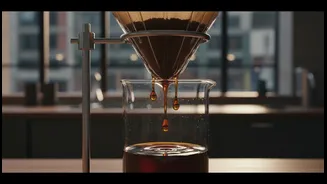
Forget everything you know about fresh-is-best. This new wave is about taking something traditionally consumed within minutes—the filter coffee decoction—and giving it time. In specialty coffee shops from Bengaluru to Mumbai, baristas are preparing classic
filter decoctions and then storing them in controlled environments for days, or even weeks. Unlike barrel-aged coffee, where unroasted green beans are aged to absorb flavours, this experiment focuses on the liquid brew itself. The process is a quiet rebellion against the rush of modern life, asking a simple question: what happens to flavour when you let coffee rest? The result is a concentrated liquid that evolves, much like wine or whiskey, developing new layers of complexity that a fresh brew simply cannot offer.
The Science of Flavour Transformation
The magic lies in the subtle chemistry of time. When a freshly brewed decoction is allowed to age, its chemical composition begins to change. The bright, sharp acidic notes that define many fresh coffees start to mellow and soften. Oxidation, usually the enemy of fresh coffee, plays a new role here, helping to break down certain compounds and create new, richer ones. Baristas and coffee experts explain that this process can reduce bitterness and enhance the inherent sweetness of the coffee. The result is a brew that feels smoother, fuller, and more rounded on the palate. Depending on the coffee's origin and the ageing conditions, drinkers might discover notes of dark chocolate, toasted nuts, or even a mild, pleasant earthiness that wasn't present before.
A Monsoon Mood in a Cup
The timing of this trend is no coincidence. As the monsoon rains sweep across the country in July, our cravings shift from bright, zesty summer coolers to more comforting, contemplative beverages. An aged decoction, with its deeper, more complex flavour profile, fits this seasonal mood perfectly. It’s a coffee that encourages you to slow down and savour the moment, much like the rainy season itself. Cafe owners note that while the third-wave coffee movement has introduced Indian consumers to a world of pour-overs and AeroPresses, the soul of Indian coffee for many remains the humble filter kaapi. This experiment builds on that familiar foundation, offering a novel experience that is both innovative and deeply rooted in tradition.
How Is It Served and Is It for You?
So, how do you drink an aged decoction? Most cafés are serving it in small, concentrated shots, similar to an espresso, to highlight its unique flavour. Others are using it as a base for inventive new milk-based beverages, where the decoction’s smooth, low-acidity profile creates an exceptionally creamy and rich drink. It’s a departure from the high-acid, fruity notes often prized in specialty coffee. If you enjoy the deep, mellow flavours of aged spirits or dark chocolate, you will likely appreciate the complexity of an aged decoction. However, if you are a purist who loves the vibrant acidity of a freshly brewed black coffee, this might be a step too far. It is not about being better than fresh coffee, but about offering a different and unique sensory journey.