







From Destinations to Emotions
This new approach, often called 'mood-based' or 'transformational travel', flips the script on traditional vacation planning. Instead of chasing a bucket-list destination, people are identifying an emotional need first and then finding a place that serves
it. The core question is no longer, "Where do I want to go?" but rather, "What do I need right now?" Do you need to feel rejuvenated after a period of burnout, reconnected with a partner, or a jolt of adventure to break the monotony? The destination becomes the tool to achieve that feeling, not the goal itself. This pivot reflects a broader cultural desire for more purpose-driven experiences. Travel is becoming less of a simple getaway and more of an essential reset button for modern life.
The Search for Deeper Fulfilment
So, why the change? Several factors are driving this trend. The post-pandemic world left many re-evaluating their priorities, with a heightened focus on mental health and well-being. Burnout has become a widespread concern, leading travellers to seek genuine restoration over jam-packed sightseeing itineraries. According to a 2026 travel trends report from Hilton, people are travelling with intention, whether it's to recharge, reconnect, or rediscover a part of themselves. Research from G Adventures found that 61% of travellers now prioritise experiences over destinations. This isn't about seeing as much as possible; it's about feeling something real and returning home with more than just souvenirs—a new perspective, a restored sense of calm, or a stronger bond with a loved one.
What Does Emotional Travel Look Like?
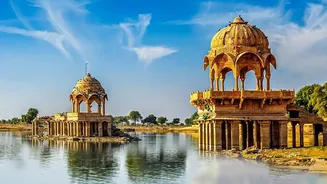
Planning a trip around a feeling can lead to vastly different outcomes. A journey designed for 'calm' might involve a remote nature retreat, a quiet beach, or a spa-focused resort where the goal is to disconnect and slow down. Someone seeking 'adventure' might book a trek in Himachal Pradesh or go rafting in Rishikesh, chasing the confidence and thrill that comes with pushing their limits. If the desired feeling is 'connection', the trip could be a family getaway to a countryside cottage or a cultural immersion in Rajasthan, focusing on shared activities and local interactions. Even a desire for 'wonder' can guide decisions, leading travellers to seek out the Northern Lights or explore ancient ruins that inspire awe. The key is that the activities and environment are chosen specifically to evoke the desired emotional state, avoiding the common mismatch of a tiring city break when what you really needed was rest.
A More Meaningful Way to Explore
This trend also redefines what makes a trip successful. The metric is no longer the number of landmarks visited but the quality of the experience and its lasting impact. You might forget the name of a particular street, but you will remember the feeling of peace watching a sunset or the laughter shared during a meal. This approach fosters a more personal and satisfying journey. It encourages slower, more mindful travel, reducing the fatigue that often comes with trying to 'do it all'. Travel industry experts note that this is a global movement rooted in intentionality. By starting with a feeling, travellers are more likely to have their expectations met and return home feeling genuinely refreshed and fulfilled, making the investment of time and money feel worthwhile.