




The Natural Charm of Shell Planters
Before you toss that next coconut shell, consider its potential. As a planter, it’s a winner on many fronts. It is completely biodegradable, meaning it will eventually break down and enrich the soil. This makes it a wonderfully sustainable alternative
to plastic pots. The rustic, earthy look of a shell adds a touch of natural beauty to any balcony, windowsill, or desk. However, its biggest strength is also its main limitation: its size. A typical coconut shell offers a small, enclosed space, which is perfect for starting seeds or housing small plants, but it presents a challenge for plants that need a lot of room to grow. The limited depth is the single most important factor to consider when choosing what to plant.
Understanding the Root of the Matter
The secret to successful coconut-shell gardening lies in understanding plant roots. Plants with deep, aggressive taproots will quickly run out of space in a shell. This condition, known as being 'root-bound', stresses the plant, stunts its growth, and can lead to its eventual decline. In contrast, shallow-rooted plants are perfectly suited for such compact homes. These plants have fibrous root systems that spread out horizontally near the soil surface, rather than driving deep down. They are accustomed to thriving in less soil, making them the ideal candidates for the confined environment of a coconut shell planter. Choosing these plants prevents root rot and ensures your miniature garden thrives.
Your Perfect Plant Shopping List
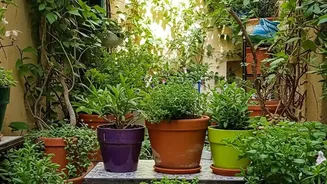
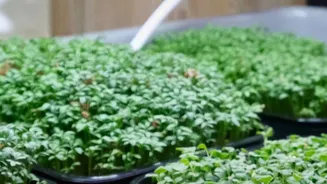
Ready to get started? Here are some excellent shallow-rooted plants, many of which are perfectly suited for Indian climates: Succulents: Varieties like Echeveria, Sedum (stonecrop), and Haworthia are top choices. They have minimal root systems and are drought-tolerant, forgiving of the occasional missed watering. Herbs: A mini kitchen garden is easy to create. Mint (Pudina), Coriander (Dhania), Thyme, and Basil grow happily in small containers. Regular harvesting will also keep them compact. Small Flowering Plants: For a splash of colour, consider Portulaca (Moss Rose), Alyssum, or Lobelia. These produce beautiful blooms and don't require deep soil to flourish. Leafy Greens: Certain types of lettuce and spinach can be grown for a quick, fresh harvest, as they don't need extensive root space to produce leaves.
From Kitchen Scrap to Planter
Transforming a coconut into a planter is a simple and rewarding DIY project. Here's how to do it in a few easy steps: 1. Clean the Shell: After cracking the coconut and removing the flesh, scrape the inside clean to prevent any residue from rotting. 2. Smooth the Edges: For a cleaner look and safer handling, use sandpaper to smooth any rough or sharp edges on the outside and the rim of the shell. 3. Drill for Drainage: This is the most crucial step. Use a drill or a sharp tool to create two or three small drainage holes in the bottom of the shell. This prevents water from pooling and causing root rot. 4. Add a Hanging Mechanism (Optional): To create a hanging planter, drill three evenly spaced holes near the rim and thread jute rope or wire through them.
Nurturing Your Shell Garden
Caring for your coconut shell garden is straightforward. Use a well-draining potting mix, perhaps one amended with sand or coco peat, to fill the shell. Because the small container can dry out quickly, especially in the heat, check the soil moisture frequently and water when the top inch feels dry. Place your planter in a spot that receives the appropriate amount of sunlight for the plant you've chosen. Remember that your planter is organic; over a year or two, it will begin to soften and decompose. When this happens, you can simply plant the entire shell into a larger pot or directly into your garden, allowing it to naturally return to the earth.