




The Monsoon Gardener's Dilemma
The Indian monsoon, while a welcome relief from summer heat, can be brutal for plants confined to balcony pots. Unlike plants in the ground, container gardens have limited drainage and are completely exposed. Heavy rainfall leads to a cascade of problems
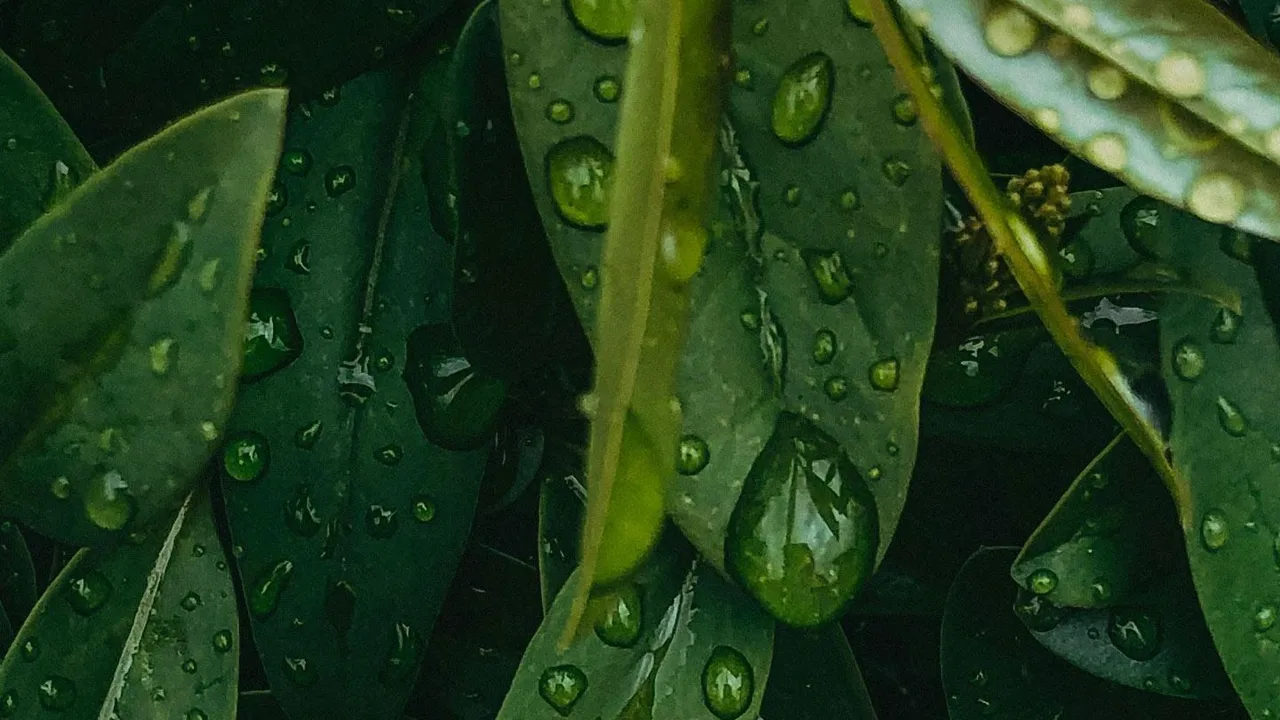
that can quickly undo months of hard work. The most common issue is overwatering. When soil becomes waterlogged, it cuts off oxygen to the roots, leading to the dreaded root rot, a condition from which few plants recover. Beyond root issues, the sheer force of heavy raindrops can physically damage delicate leaves and flowers, break tender stems, and compact the soil. Furthermore, constant moisture creates a perfect breeding ground for fungal diseases like powdery mildew. The deluge also leaches essential nutrients from the soil, leaving plants weak and yellowing. For the urban gardener, the monsoon often becomes a stressful period of moving heavy pots back and forth, hoping to strike a balance between necessary hydration and destructive excess.
Enter the Modular Rain Shield
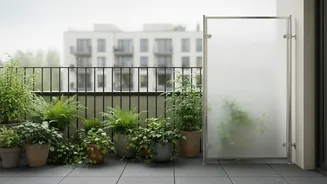
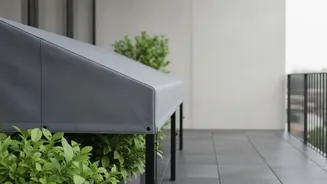
In response to these challenges, a practical trend is emerging: the use of modular rain shields. This isn't a single, off-the-shelf product but rather a flexible approach to plant protection. The concept is simple: create a temporary, removable barrier that deflects the worst of the rain while still allowing light and air to circulate. The 'modular' aspect is key to its growing popularity. These solutions are adaptable to balconies of all shapes and sizes, from a single pot of herbs to an entire railing lined with flowering plants. They are typically lightweight and designed for easy installation at the start of the monsoon and quick removal once the season passes. This approach empowers gardeners to create custom solutions that fit their specific needs and budget, turning their balconies into resilient, all-weather green spaces.
The Many Benefits of Staying Covered
The primary benefit of a rain shield is obvious: it prevents overwatering and the subsequent risk of root rot. By controlling the amount of water that enters the pot, gardeners can maintain optimal soil moisture. But the advantages don't stop there. Shields act as a physical barrier, protecting delicate foliage and flowers from the impact of heavy downpours, which can cause bruising and breakage. They also significantly reduce soil splash, keeping balconies cleaner and preventing the loss of precious topsoil from pots. By keeping leaves drier, shields help minimise the humid conditions that encourage fungal growth. For plants that are sensitive to strong winds that often accompany monsoon storms, a well-secured shield can also act as a windbreak, preventing snapped stems and shredded leaves. This comprehensive protection allows plants not just to survive the monsoon, but to thrive.
Finding Your Perfect Shield Solution
The beauty of the modular shield concept is its versatility. For the DIY enthusiast, effective shields can be made from readily available materials. A simple wooden or PVC pipe frame covered with a sheet of clear, heavy-duty plastic or a waterproof tarpaulin can cover multiple plants. Some gardeners fashion individual pot covers from materials like cut-up plastic trays. Another popular option involves purchasing sheets of clear polycarbonate or acrylic, which are rigid, durable, and offer excellent light transmission. These can be cut to size and affixed to balcony railings with clamps or ties. On the commercial side, products intended for other purposes are being cleverly adapted. Lightweight hail netting or bird netting can diffuse the force of raindrops while ensuring full air circulation. For those seeking a more integrated solution, retractable balcony blinds made of transparent PVC, often called 'monsoon blinds', offer a robust, semi-permanent option that protects the entire balcony space.
Installation and Key Considerations
When installing any rain shield, a few key factors ensure success. First and foremost is security. Balconies can be subject to high winds during a storm, so any shield must be fastened securely to prevent it from becoming a projectile. Use strong zip ties, ropes, or clamps. Ensure the shield is angled to allow water to run off away from the plants and the balcony floor. Light transmission is also crucial; always opt for clear or translucent materials to ensure your plants still receive adequate sunlight for photosynthesis. While the goal is to block heavy rain, it's important to allow for proper air circulation to prevent heat buildup and reduce humidity around the plants. Finally, remember that a shield is a barrier, not a seal. You will still need to monitor your plants and water them manually as needed, since they will no longer be receiving any rainwater.