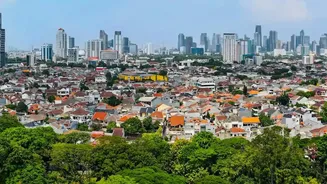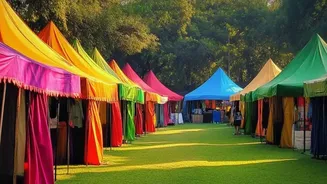



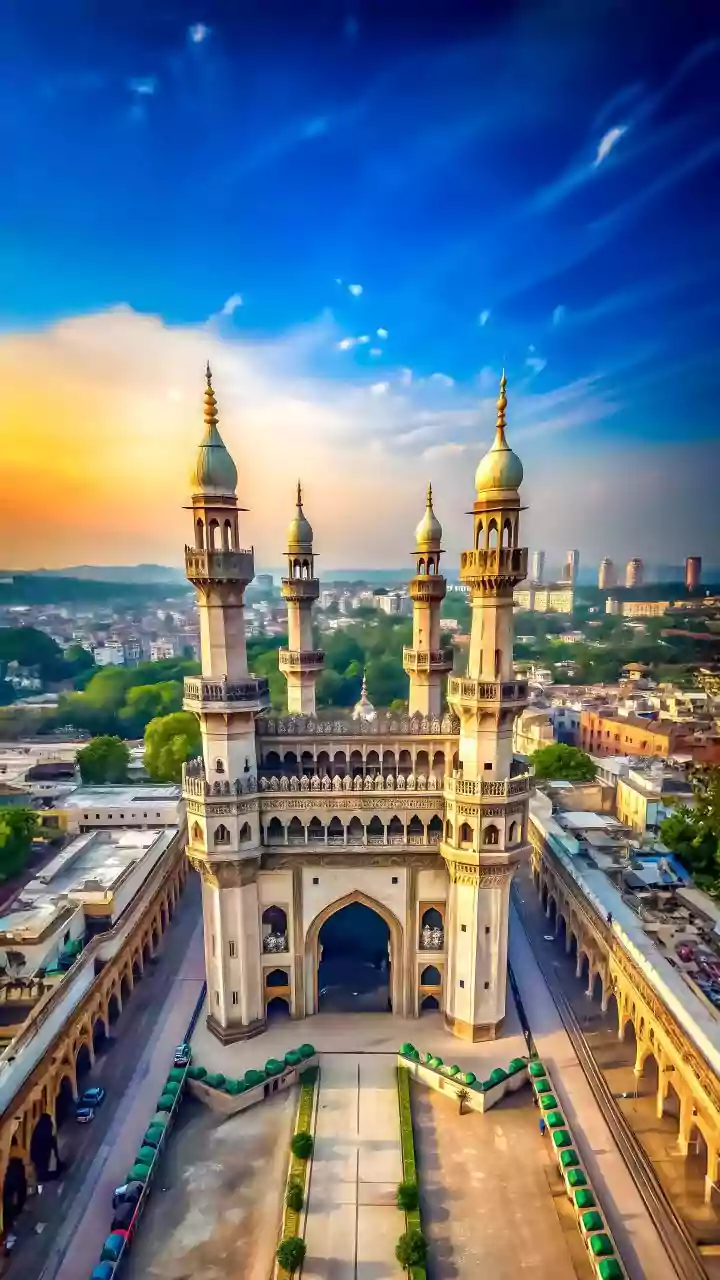
Delhi is a city written in stone, its history etched into magnificent monuments. Now, that ancient architecture is set to become a living canvas for a groundbreaking 108-day art and architecture biennale, transforming the city itself.
A New Cultural Landmark
Get ready for a cultural
event of unprecedented scale. The India Art, Architecture & Design Biennale (IAADB) is set to launch its second edition, running for 108 days from December 4, 2026, to March 21, 2027. Organised by the Ministry of Culture, this public-private partnership aims to position India as a global centre for artistic dialogue and creative innovation. Unlike a traditional exhibition confined to one location, the biennale will transform the entire city of Delhi into an interconnected cultural experience. The duration of 108 days is itself significant, a number deeply rooted in Indian traditions, symbolising completeness and harmony. This ambitious event follows a successful inaugural edition in 2023, scaling up to include international participation from over 20 countries.
History as a Canvas
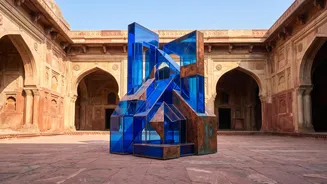
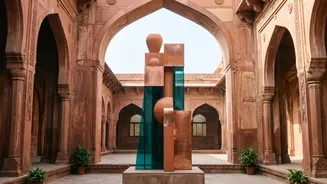
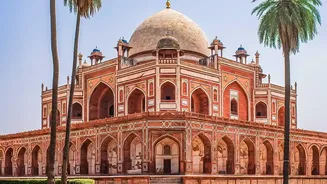
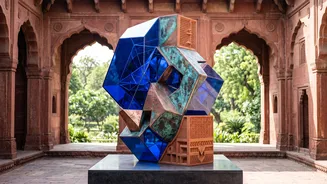
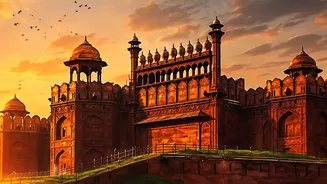
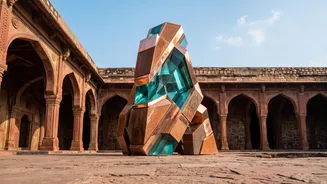
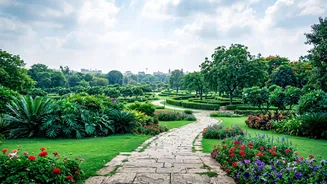
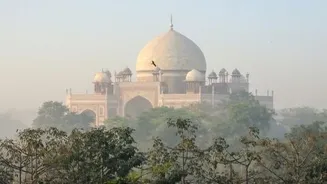
The most captivating aspect of the biennale is its use of Delhi's most cherished heritage sites as backdrops for contemporary art. Instead of white-walled galleries, imagine installations and performances set against the iconic architecture of Purana Qila (the festival's main hub), the Red Fort, Qutub Minar, and Humayun's Tomb. Other confirmed venues include Jantar Mantar, Safdarjung Tomb, Lodhi Garden, and the National Museum, among many others across the city. This approach creates a unique dialogue between India's rich historical legacy and modern creative expression. By placing cutting-edge art within these timeless spaces, the biennale invites visitors to see both the city and the art in a completely new light, creating a dynamic fusion of past and present.
Art with a Deeper Meaning
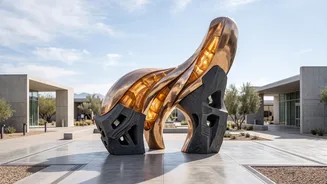
The curatorial theme for the biennale is 'Tat Tvam Asi', which translates to 'You Are That'. This ancient Upanishadic insight serves as a call to reconnect in an age of constant digital distraction. Organisers hope the art will encourage visitors to slow down, pay attention, and reflect on the connections between themselves, the community, and their surroundings. The art itself will be diverse, spanning everything from traditional crafts and handmade works to immersive new media and digital installations. Special projects will include large-scale scrolls, like an 18th-century Mahabharata scroll, sound and light shows at Jantar Mantar, and specific pavilions hosted by cultural institutions like the Nita Mukesh Ambani Cultural Centre and Godrej Foundation.
More Than Just an Exhibition
The India Biennale is more than just a festival; it's a platform for learning, dialogue, and creative exploration. The event aims to make art and culture more accessible to the public, moving it out of exclusive spaces and into the heart of the city. It provides a major stage for Indian and international artists, architects, and designers to share their vision. For visitors, it's an opportunity to engage with art in unexpected settings, from the sprawling lawns of Lodhi Garden to the astronomical instruments of Jantar Mantar. By weaving creativity into the urban fabric, the biennale aims to foster a stronger cultural identity for Delhi and solidify its position on the global art calendar, creating a legacy that lasts long after the 108 days are over.