



Invest in Timeless Brass Lamps
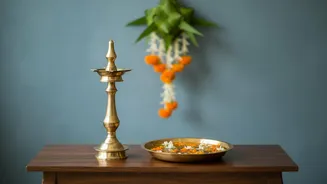
The gentle glow of a traditional brass lamp, or Nilavilakku, is central to the Onam celebration. Instead of single-use tea lights or plastic-encased LED candles, consider investing in a beautiful brass lamp. These lamps are not just for one festival;
they are heirlooms that can be passed down through generations. Available in various sizes, a classic Nilavilakku adds an authentic, warm ambience to your home every year, making it a perfect one-time purchase. Look for lamps made by traditional artisans to support local craftsmanship. Over time, the brass develops a unique patina, adding to its character and beauty, and it can be polished to regain its original shine.
Choose Fabric Thorans and Decorations
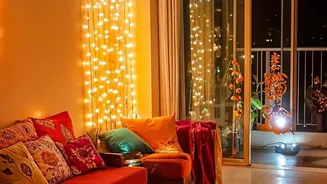
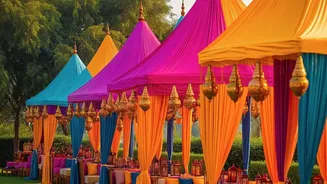
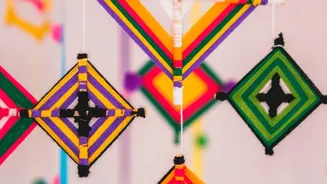
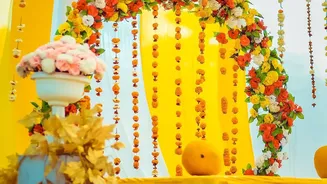
Plastic thorans (door hangings) and garlands have become common, but they contribute significantly to festive waste. A more elegant and sustainable alternative is to opt for thorans made from fabric. Look for beautifully crafted buntings made of cotton, silk, or jute, often decorated with embroidery, small bells, or mirror work. These can be carefully packed and stored after the festival, ready to be used for Onam and other celebrations for many years. You can also repurpose old silk sarees or kasavu fabrics to create your own unique drapes and cushion covers, adding a personal and cultural touch to your decor without creating waste.
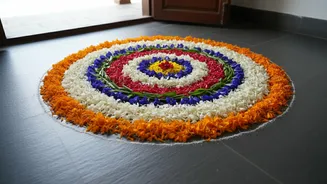
Rethink the Pookalam
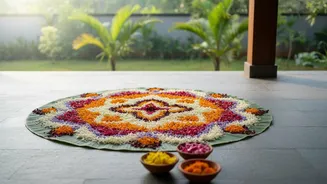
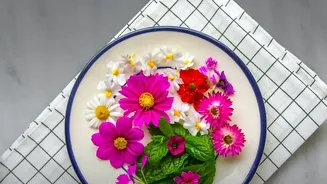
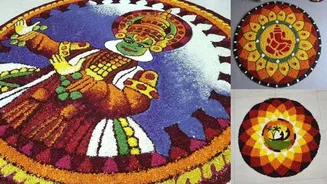
The pookalam, or floral carpet, is the most iconic Onam decoration. While traditionally made with fresh, local flowers that can be composted, a fully reusable option offers longevity. Consider creating a pookalam base on a wooden board or a large platter that can be brought out each year. You can fill the design with coloured rice, pulses, or even reusable fabric petals. For a semi-reusable approach, use a permanent base and fill it with fresh, locally sourced flowers like marigolds, jasmine, and hibiscus, ensuring the flowers are composted afterwards. This blend of permanent and biodegradable elements maintains tradition while reducing the footprint.
Embrace Earthenware and Natural Materials
Clay and terracotta items bring an earthy, traditional feel to Onam decor. Swap out disposable plastic lights for handmade terracotta diyas or lamps. These are not only biodegradable but also economical and add a rustic charm. Small clay pots can be used to hold flowers or serve as decorative accents. Other natural materials like coconut shells can be repurposed into beautiful bowls or candle holders. Using banana plants in pots as entrance decor, instead of just cut leaves, allows you to keep the plant long after the festival is over. These elements connect the celebration directly back to nature, the very essence of a harvest festival.
Decorate with Traditional Crafts
Incorporate traditional Keralan handicrafts that double as timeless home decor. Items like Kathakali masks, wooden miniature snake boats (Chundan Vallam), and Urulis (shallow brass bowls) are festive during Onam but remain beautiful decorative pieces all year round. Filling an Uruli with water and floating flowers or diyas is a classic and reusable decorative idea. Investing in such artisan-made products not only supports skilled craft communities but also ensures your home is filled with meaningful items that tell a story, rather than disposable decorations that are used once and forgotten.