

The Challenge: A Sky Full of Light
Living in or near a city means dealing with a phenomenon called light pollution. This is the glow from streetlights, buildings, and cars that floods the night sky, creating a bright haze that obscures fainter objects. Astronomers use the Bortle Scale
to measure sky darkness, with Class 1 being a pristine, dark sky and Classes 8 and 9 representing the bright skies of an inner city. Under these conditions, the number of visible stars drops dramatically, making it difficult to spot anything beyond the Moon, a few bright planets, and the most prominent star patterns.
Your Secret Weapon: The Augmented Reality Planetarium
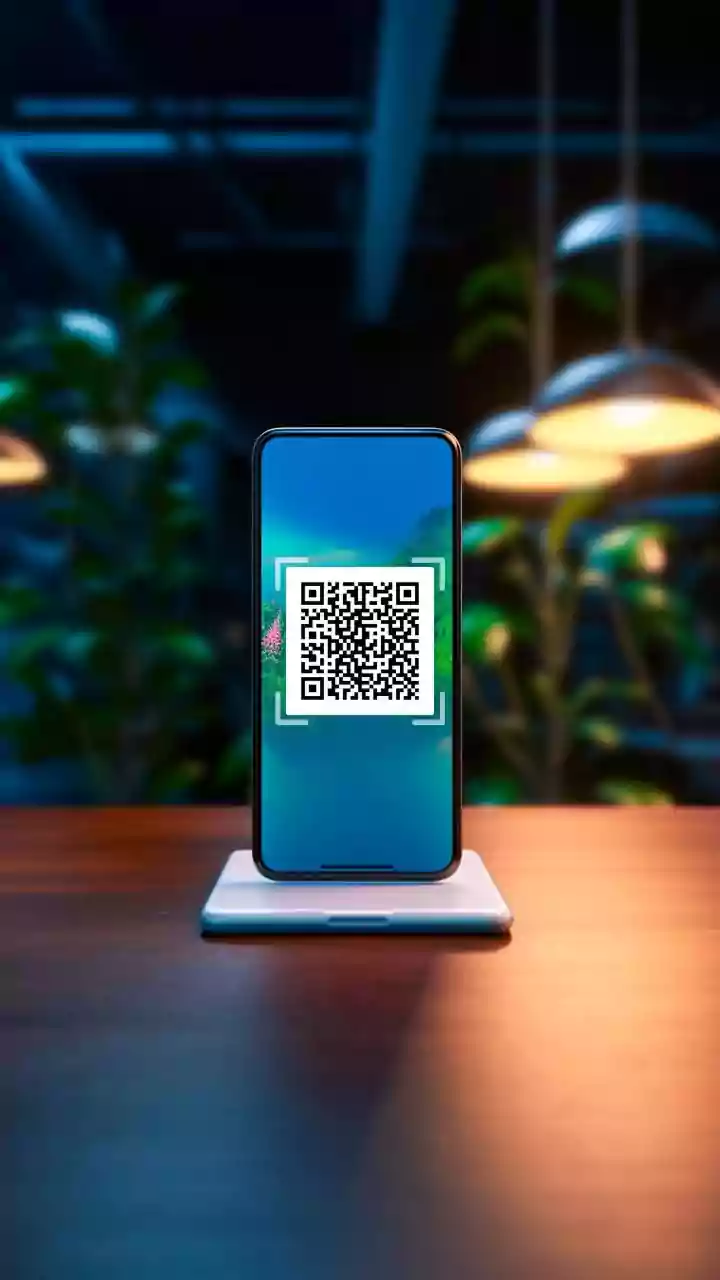
This is where mobile sky map apps come in. Apps like SkyView, Star Walk 2, and Stellarium Mobile function as a planetarium in your pocket. Their core feature is augmented reality (AR), which uses your phone's camera, GPS, and internal compass to overlay a map of the sky onto your real-world view. Simply point your phone towards any part of the sky, and the app will identify exactly what you're looking at, whether it's a star, a planet, or a satellite like the International Space Station (ISS) passing overhead. This removes the biggest hurdle for urban stargazers: knowing where to look when most of the guide stars are invisible.
Essential Features for City Stargazing
Modern stargazing apps are packed with tools designed to cut through the urban glow. A 'red light' or 'night mode' is crucial, as it preserves your night vision by using red filters on your screen. Many apps allow you to adjust the star magnitude, effectively filtering out objects that would be too faint to see from your location. You can also find calendars for celestial events like meteor showers and eclipses, with some apps sending reminders so you don't miss out. For those just starting, the ability to see constellation artwork overlaid on the stars can finally make sense of those connect-the-dot patterns.
What Can You Realistically See?
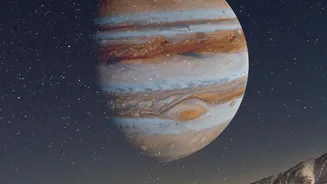
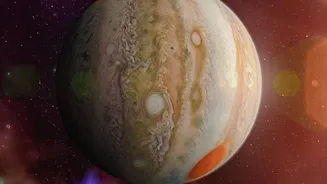
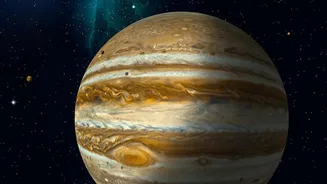
Even with heavy light pollution, there is plenty to see. The Moon is an obvious and spectacular target. The brightest planets—Venus, Jupiter, Mars, and Saturn—are all visible to the naked eye from cities, appearing as steady, bright points of light. Many apps will guide you directly to them. You can also spot the brightest constellations and asterisms, such as Orion's Belt in the winter and the Summer Triangle. With a pair of binoculars, you can even spot Jupiter's four largest moons or the hazy glow of the Orion Nebula, a stellar nursery 1,500 light-years away.
Tips for a Successful Urban Session
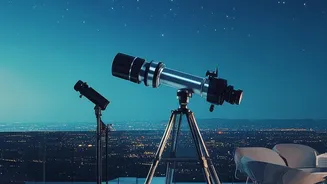
To make the most of your stargazing, find a spot with the clearest view of the sky, away from the direct glare of streetlights. A park, a rooftop, or even a backyard can work. Give your eyes at least 15 minutes to adapt to the darkness; this means putting your phone away after you've identified your target. Use the app's night mode to avoid ruining your dark adaptation when you need to consult it again. Finally, be patient. While you won't see a Milky Way splashed across the sky, tracking a planet's journey or finally identifying a constellation you've only read about is a deeply rewarding experience.