





The Antibiotic Trade-Off
Antibiotics are one of modern medicine's greatest achievements, saving countless lives by fighting off harmful bacterial infections. But they are not precision weapons. In the process of eliminating bad bacteria, they often cause collateral damage, wiping
out many of the beneficial microbes that live in our gut. This community of trillions of bacteria, known as the gut microbiome, is vital for everything from digesting food and producing vitamins to regulating our immune system. When this delicate ecosystem is disrupted, it can lead to immediate issues like diarrhoea and create an environment where more harmful organisms can thrive. For years, the focus has been on recovering from this disruption after the fact, but what if we could protect the microbiome during treatment?
What the New Study Found
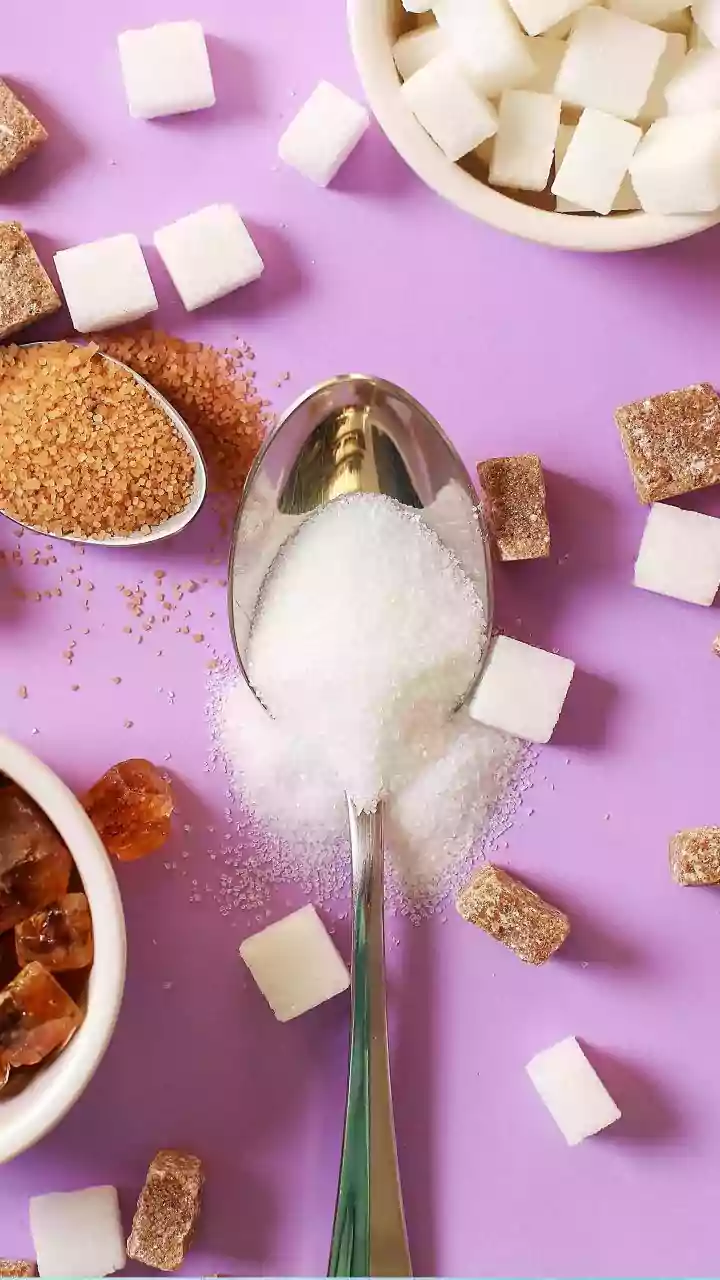
A new study published in the journal Nature has provided a surprising clue. Researchers monitoring hospitalised cancer patients, who often receive intensive antibiotic treatments, made a striking discovery by meticulously tracking their meals. The findings suggest that consuming sugary foods and drinks during antibiotic treatment could worsen the damage to the gut microbiome. The study, which followed patients at high risk for microbiome disruption, found that a higher intake of sugary foods was linked to a significant drop in bacterial diversity. For every 100-gram increase in sweets, which is about the amount of sugar in a large milkshake, there was a notable decline in the variety of gut bacteria.
A Gut Feeling About Sugar
The researchers observed that when the microbiome's diversity was reduced, one particular organism, Enterococcus, tended to take over. This bacterium is associated with a higher risk of complications and bloodstream infections, particularly in vulnerable patients. The combination of broad-spectrum antibiotics and a high-sugar diet appeared to create a perfect storm, allowing this aggressive microbe to flourish while other beneficial strains were eliminated. To test this, the researchers also conducted experiments in mice. They found that mice fed a sugary diet while on antibiotics also experienced a significant increase in the Enterococcus population in their gut, confirming the pattern seen in human patients.
Why the Question Isn't Settled
This is where the second half of the headline becomes crucial. While the findings are intriguing, the researchers themselves are quick to point out that it is premature to recommend everyone taking antibiotics avoid sugar entirely. The study focused on a very specific group of patients: individuals with blood cancer undergoing intensive transplants, who are already at high risk for complications. It’s not clear if the same dramatic effect would be seen in the general population taking a standard course of antibiotics for a common infection. As one of the lead researchers noted, they didn't set out to find this connection, and more work is needed to understand the mechanism and its broader implications.
So, What Should You Eat?
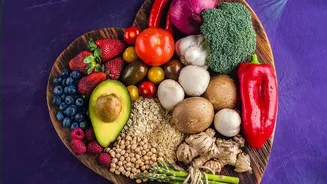
While we wait for more definitive answers, this research fits into a larger body of evidence suggesting diet plays a powerful role in gut health. Other studies have shown that a diet high in processed foods and low in fibre can prevent the gut from recovering properly after antibiotics, while a diet rich in plant-based fibre aids a faster, more complete recovery. Foods rich in fibre, like vegetables, legumes, and whole grains, essentially feed the good bacteria in our gut. Therefore, while cutting out all sugar might not be necessary, focusing on a high-fibre diet and limiting ultra-processed, high-sugar foods during and after antibiotic treatment is a sensible approach that aligns with general health advice and may support your microbiome's resilience.