

The Hidden Dangers in Dirty Bowls
That slimy film you might feel inside your pet’s water bowl has a name: biofilm. It’s a community of microorganisms, including bacteria like Salmonella, E. coli, and Listeria, that have attached to the surface. Studies have found that pet bowls are one of the germiest
spots in the home, sometimes harbouring more bacteria than a kitchen sponge or toothbrush holder. These pathogens can cause significant health problems for your pets, including gastrointestinal issues like vomiting and diarrhoea. The risk isn't limited to your animals; these bacteria can also cross-contaminate surfaces and spread to humans, posing a particular risk to children, the elderly, and those with weakened immune systems.
Why 'Easy to Wash' Is Non-Negotiable
Veterinarians and food safety experts recommend washing a pet's food bowl after every meal, especially if they eat wet or raw food. Water bowls should be cleaned at least once a day. However, if a feeding station is complicated to take apart, has awkward corners, or is made of materials that require special care, the likelihood of it being cleaned this frequently drops significantly. Convenience is key to consistency. An easy-to-dismantle and washable feeder removes the friction from this daily chore, making it simple to maintain a hygienic environment for your pet. The goal is to make cleaning so effortless that it becomes a natural part of your routine, just like washing your own dishes.
Material Matters Most
The material of your pet's bowls is the single most important factor for hygiene. Stainless steel is widely considered the best choice by veterinarians because it is non-porous, durable, and resists both bacteria and scratches. Ceramic bowls can also be a good option, provided they are coated with a high-quality, lead-free glaze and have no cracks or chips where bacteria can hide. Plastic bowls are generally the least recommended. Over time, they develop tiny scratches that can trap food particles and become a breeding ground for germs, making them nearly impossible to fully sanitise.
Features of a Hygienic Feeding Station
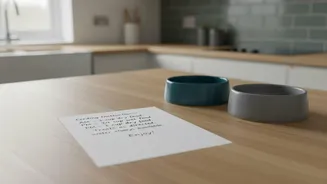
When shopping for a new feeding station, look for designs that prioritise cleanliness. Opt for stations with removable bowls that are dishwasher-safe, which makes deep cleaning and sanitising much easier. Simplicity is a virtue; the fewer parts there are to disassemble, the quicker the cleaning process will be. Raised feeders can offer ergonomic benefits, but ensure the entire structure is either waterproof or easy to wipe down. Any wooden or composite elements should be well-sealed to prevent moisture from seeping in and causing mould or warping. A simple design with high-quality, non-porous materials will always be superior to a complex one that's a chore to clean.
Your Cleaning Routine, Simplified
To keep your pet safe, establish a simple and consistent cleaning schedule. For food bowls, wash with hot, soapy water after every meal. For water bowls, empty, scrub, and refill daily. A weekly deep clean in a hot cycle of the dishwasher provides an extra level of sanitisation for dishwasher-safe bowls. It can be helpful to have a spare set of bowls on hand, so one can be in the wash while the other is in use. Always remember to wash your hands with soap and water before and after handling your pet's food and bowls to prevent the spread of germs.