


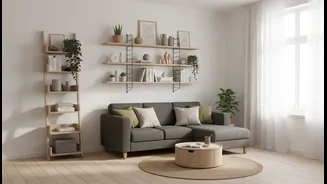
The 'One-Wall Wonder' Problem
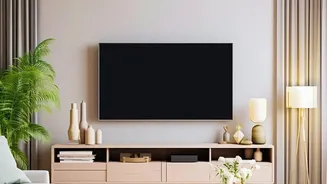
We’ve all seen them, or perhaps even owned them: the enormous sectional sofa that perfectly hugs the long wall of a specific living room, the sprawling entertainment centre designed for a particular nook, or the wall-to-wall wardrobe. These pieces are
often beautiful and functional in one very specific context. The problem arises when that context changes. For a generation that moves for new jobs, new cities, or new life stages, this kind of 'one-wall wonder' furniture becomes an anchor in the worst way. It's heavy, difficult to transport, and often won't fit the layout of the next apartment or house, forcing a costly replacement. A move-friendly home starts by rethinking this commitment to single-use, space-specific items.
Embrace the Power of Modularity
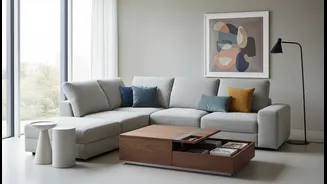
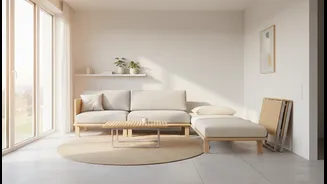
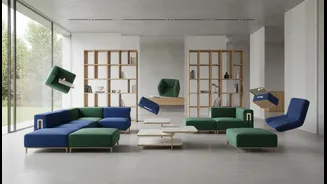
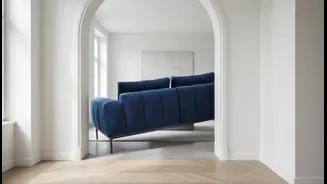
The single most effective strategy against furniture inflexibility is embracing modular design. Think of modular pieces as building blocks for your home. A modular sofa can be an L-shape in one apartment, a long single couch in another, or even split into separate armchairs for a party. These systems are designed for change. Because they come in separate, smaller sections, they are significantly easier to get through narrow doorways, tight stairwells, and small lifts — a common headache in urban Indian apartments. This adaptability not only saves you the stress of moving but also the long-term cost, as you can reconfigure, add, or subtract pieces as your needs and spaces evolve.
Prioritise Multi-Functional Heroes
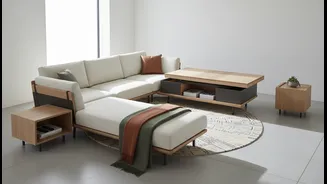
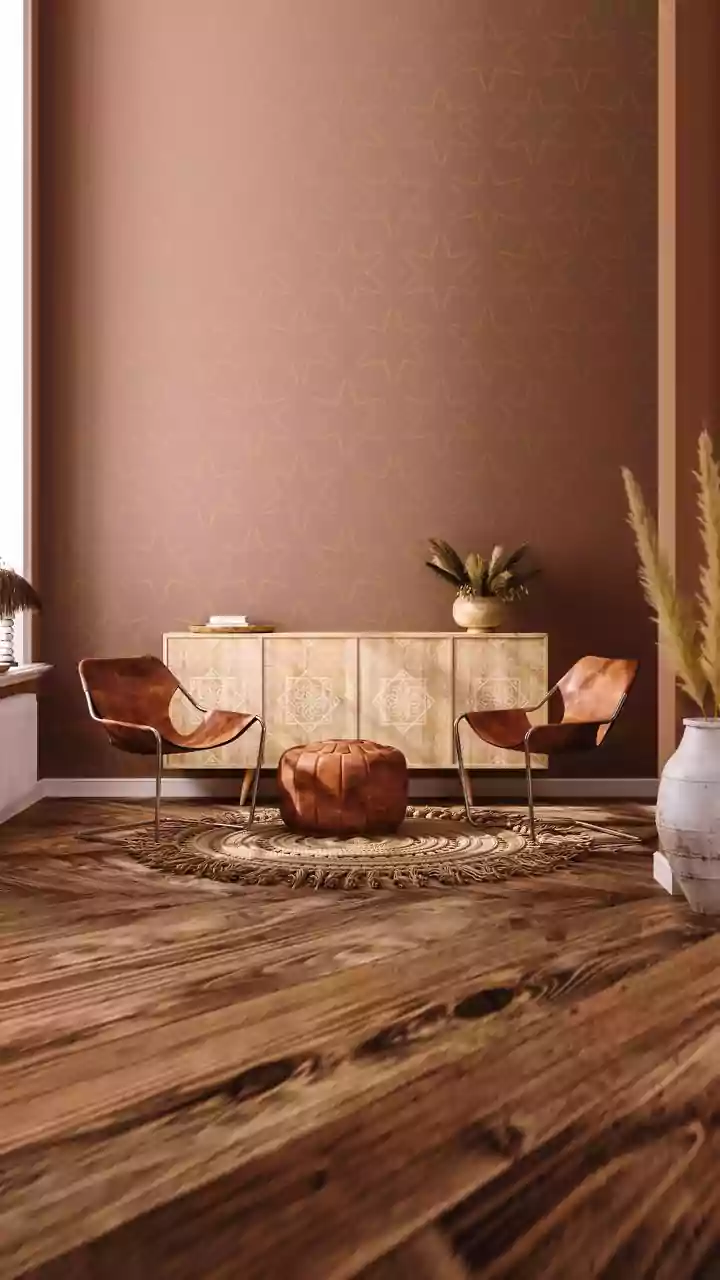
In a home that needs to be nimble, every piece of furniture should work hard. Seek out multi-functional heroes that serve more than one purpose. An ottoman with built-in storage can hide away blankets while also serving as extra seating or a coffee table with a tray on top. An expandable dining table can stay compact for daily meals but stretch to accommodate guests. A sleek console table can function as a small desk in a pinch. Even a simple bed frame can be a workhorse if you opt for one with built-in drawers underneath for storage. This approach allows you to furnish your home with fewer items, which automatically makes packing and moving a simpler, more streamlined process.
Think in Zones, Not Just Walls
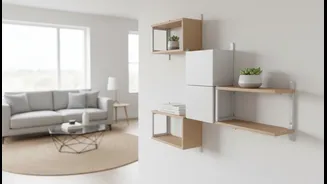
Free your layout from the tyranny of the wall. Instead of asking, "What can I put against this wall?", start asking, "How can I create a functional zone here?" You can define a living area in an open-plan space with a large rug, anchoring a love seat and a couple of armchairs. A freestanding bookshelf can act as a room divider, creating a distinct office or reading nook without any construction. Lightweight screens can also offer a flexible way to partition a room. By using furniture to create zones in open space, you rely less on finding the 'perfect' wall, making your setup far more transferable to a new home with a different floor plan.
Choose Lightweight and Freestanding
The physical act of moving is often the biggest hurdle. When choosing furniture, consider its actual weight and portability. Materials like rattan, wicker, and certain woods are lighter than heavy, dense particleboard or solid oak. Look for pieces with clean lines and without unnecessary bulk, like a media unit that holds electronics without being a massive cabinet. For renters, freestanding items are always superior to anything that needs to be mounted to a wall. A freestanding wardrobe can be taken with you, while a built-in one cannot. Choosing lightweight and mobile furniture makes the moving process less physically demanding and reduces the risk of damage to both your belongings and your old and new homes.