






The Unseen Threat After the Rains
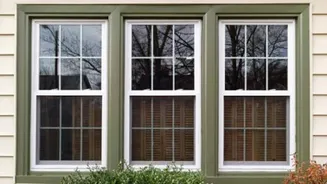
During the heavy rains, water doesn't just run off your roof; it actively seeks ways into your home. It can seep through tiny, invisible cracks in exterior walls, gaps around window frames, or compromised roofing and balconies. Once inside, this moisture
gets trapped within the plaster and brickwork. While the surface may feel dry, the core of the structure can remain saturated for weeks. This hidden water becomes a ticking time bomb, leading to issues that are far more serious than a simple cosmetic stain. Over time, this trapped moisture can weaken plaster, corrode metal reinforcements within the concrete, and even create hazards by affecting concealed electrical wiring. Ignoring these early stages can lead to significant and costly structural repairs down the line.
Health Hazards Hiding in Your Walls
Damp walls are a perfect breeding ground for mould, mildew, and other fungi. These organisms release microscopic spores into the air that you and your family breathe every day. For many, this results in immediate allergic reactions like sneezing, coughing, itchy eyes, and a perpetually stuffy nose. For individuals with pre-existing conditions like asthma, exposure to mould can trigger more frequent and severe attacks. Long-term exposure to a damp environment can lead to more serious respiratory problems, including bronchitis and hypersensitivity pneumonitis, an inflammatory lung disease. Children and the elderly are especially vulnerable to these health risks, as their immune systems may be less robust.
Signs of Structural and Aesthetic Damage
The first visible signs of dampness are often aesthetic. You might notice paint starting to bubble, peel, or flake off the walls. Dark, discoloured patches or yellowish-brown water stains may appear on walls and ceilings. Sometimes, you'll see a white, chalky substance called efflorescence on masonry surfaces, which is left behind as water evaporates. Beyond looks, dampness causes real structural harm. It can cause wooden elements like door frames, window sills, and cupboards to warp and rot. Plaster can become soft and crumble at a touch, and in severe cases, the structural integrity of the walls themselves can be compromised. A persistent musty odour is another key indicator that moisture and mould are present, even if you can't see them.
A Practical Guide to Your Dampness Check
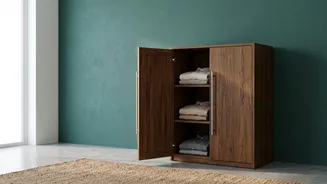
A thorough post-monsoon inspection doesn't require special equipment, just your senses and a bit of diligence. Start by walking through every room, paying close attention to exterior walls, corners where walls and ceilings meet, and areas around windows and doors. Use your eyes: Look for any of the visual cues mentioned above, such as bubbling paint, dark stains, or visible mould growth. Don't forget to check inside closets and behind large furniture, as these dark, poorly ventilated areas are prime spots for mould. Use your nose: A musty, earthy smell is a strong sign of hidden dampness. If a particular room or closet smells off, it warrants a closer look. Use your hands: Gently press against walls, especially areas that look suspicious. A wall that feels soft, spongy, or colder than surrounding areas is likely retaining moisture. Feel for dampness along baseboards and check if carpets or flooring near walls feel wet.
When to Act and Who to Call
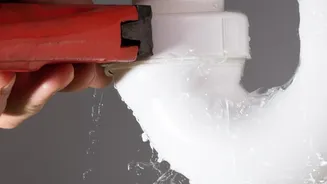
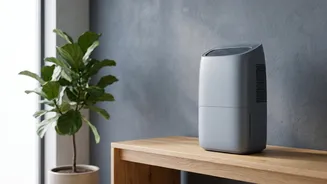
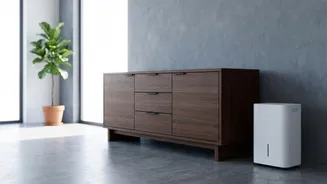
If your inspection reveals minor issues like a small patch of peeling paint or a faint odour in a well-ventilated area, improving airflow and using a dehumidifier might be sufficient. However, for more significant problems, prompt action is key. Large or recurring mould patches should be handled with care; consider professional mould remediation services to ensure it's removed safely and completely. If you find signs of widespread dampness, significant cracks in the walls, or sagging plaster, it's time to call in the experts. A waterproofing specialist or a civil contractor can assess the extent of water ingress and recommend the best course of action, whether it's repairing external cracks, applying a new waterproof coating, or fixing underlying plumbing issues. Acting quickly not only protects your home but also prevents small problems from escalating into major structural failures.