


Why the Monsoon is a Kitchen Challenge
The rainy season's defining feature is moisture, with humidity levels often soaring between 70% and 90%. This damp, warm environment accelerates the growth of harmful microorganisms like bacteria, fungi, and viruses. Food spoils faster, pantry items turn
soggy, and the risk of foodborne illnesses such as gastroenteritis, food poisoning, and typhoid rises significantly. Studies show that improper food storage and poor kitchen hygiene during the monsoon contribute to a notable increase in foodborne diseases. Taking extra precautions is not just about preventing waste; it is a crucial step in safeguarding your health.
Smart Storage for Fruits and Vegetables
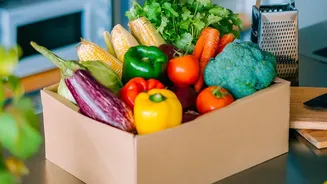
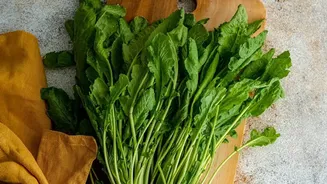
Fresh produce is particularly vulnerable during the monsoon. Leafy greens can wilt quickly, while other vegetables may rot. Start by washing all produce thoroughly under clean, running water. For greens like spinach and coriander, wash them, pat them completely dry with a paper towel, and then store them wrapped in paper in an airtight container in the refrigerator. Root vegetables like potatoes and carrots should be stored in a cool, dark place, away from fruits that emit gases which can speed up spoilage. Never store fruits and vegetables in sealed plastic bags without ventilation, as this traps moisture and accelerates decay. A good rule is to wash produce right before you use it, not before storing, to minimize moisture.
Protecting Your Pantry and Dry Goods
Humidity can wreak havoc on dry goods. Biscuits, chips, and namkeen lose their crunch, while spices, flour, and pulses can clump together or develop mould. The solution is simple: airtight containers. Transfer items from their original packaging into clean, dry glass or steel containers. For spices, you can lightly roast them periodically to keep them aromatic and moisture-free. When storing staples like rice and flour, adding a bay leaf can help prevent insects. For sugar and salt, which are highly susceptible to moisture, glass jars are the best option.
Handling Meat, Dairy, and Leftovers
Perishable items like meat, seafood, and dairy products require strict handling, as they spoil very quickly in humid weather. Always store them in the refrigerator immediately after purchase. To prevent cross-contamination, keep raw meat and seafood separate from cooked foods and fresh produce at all stages—from shopping bags to the refrigerator and chopping boards. Leftovers should be cooled and refrigerated as soon as possible, ideally within two hours. When reheating food, ensure it is heated thoroughly to kill any potential bacteria. Avoid consuming stale food, as the risk of bacterial growth is much higher during the monsoon.
Maintaining a Clean and Dry Kitchen
A clean kitchen is your first line of defense. High humidity means surfaces take longer to dry, providing an ideal environment for germs. Make it a habit to wipe down countertops, stovetops, and sinks with a dry cloth after cleaning. Pay special attention to chopping boards and utensils, washing them with hot, soapy water after each use. Ensure your kitchen is well-ventilated by using an exhaust fan or opening windows when the weather permits to help reduce overall moisture. Regularly clean your refrigerator to prevent mould growth and dispose of garbage daily to keep pests and flies away.