



Understanding Post-Workout Soreness
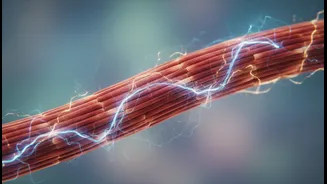
That familiar muscle ache that peaks a day or two after an intense or new workout is called Delayed Onset Muscle Soreness, or DOMS. For years, it was commonly blamed on lactic acid buildup. However, modern exercise science has debunked this myth. Lactic
acid is a source of energy that is cleared from the muscles relatively quickly during and after exercise. The real culprits behind DOMS are microscopic tears in your muscle fibres, which occur during strenuous activity. Your body's natural inflammatory response to repair this micro-damage is what causes the tenderness, stiffness, and discomfort you feel. While this process is a normal part of getting stronger, managing the recovery is key.
The 'Flushing' Power of Active Recovery
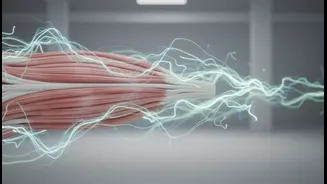
So, where do metabolic byproducts fit in? During exercise, your muscles produce various substances, including hydrogen ions and other metabolites, as they generate energy. While they don't directly cause DOMS, a buildup can contribute to fatigue. This is where the concept of “flushing” comes in. Active recovery, which involves low-intensity movement, increases blood flow to the muscles. This enhanced circulation acts like a delivery and waste-removal service. It brings fresh, oxygenated blood and nutrients to help repair the damaged muscle tissue while simultaneously helping to carry away the accumulated metabolic waste products. Studies have shown that active recovery can clear these substances much faster than passive rest, like sitting on the couch.
Mobility vs. Static Stretching
When you're sore, your first instinct might be to hold a deep stretch. While static stretching has its place, active mobility is often more effective for recovery. Static stretching involves holding a muscle in an elongated position for a period. Active mobility, on the other hand, means actively moving your joints and muscles through their full range of motion. Think gentle, controlled movements rather than holding a fixed pose. This approach not only boosts blood flow but also helps reduce stiffness, lubricate joints, and improve neuromuscular control, which is how your brain communicates with your muscles. It's a dynamic way to tell your body it's time to heal and prepare for movement again.
Safe Mobility for Sore Lower Body
When your legs and glutes are aching, even sitting down can feel like a challenge. The key is to perform slow, controlled movements without pushing into sharp pain. Try these gentle exercises: Bodyweight Squats: Stand with your feet shoulder-width apart and slowly lower your hips as if sitting in a chair. Go only as deep as is comfortable, keeping your chest up. Perform 10-15 slow repetitions. Leg Swings: Holding onto a wall for balance, gently swing one leg forward and backward, then side to side. The movement should be fluid, like a pendulum. Do 10-12 swings in each direction per leg. Hip Circles: Standing on one leg, lift the other knee and slowly make large circles with your hip, first clockwise and then counter-clockwise. This helps with hip joint mobility.
Relief for a Stiff Back and Chest
After a day of heavy lifting or even prolonged sitting, your back and chest can feel tight. These movements help to gently open up the torso and spine. Cat-Cow: Start on your hands and knees. As you inhale, drop your belly, lift your chest, and look forward (Cow). As you exhale, round your spine toward the ceiling, tucking your chin to your chest (Cat). Repeat for 10-12 cycles, moving with your breath. Thoracic Spine Rotations: Lie on your side with your knees bent and arms extended in front of you. Keeping your knees together, slowly lift your top arm and rotate your upper body to open your chest toward the ceiling. Hold for a moment, then return to the start. Do 8-10 rotations per side.
Gentle Movements for Upper Body Soreness
Push-ups, pull-ups, and overhead presses can leave your shoulders, chest, and arms feeling tender. Active mobility can restore range of motion and ease discomfort. Arm Circles: Stand with your arms extended out to your sides. Make small, controlled circles, performing 15-20 in a forward direction, then reversing for 15-20 backward. Gradually increase the size of the circles as you feel more comfortable. Shoulder Pass-Throughs: Hold a light broomstick, towel, or resistance band with a wide grip. Keeping your arms straight, slowly lift it up and over your head until it touches your back, then reverse the motion. If you can’t go all the way, just go as far as your mobility allows without pain.