

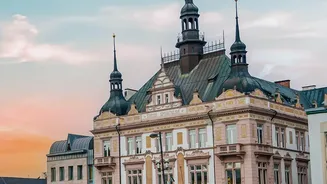
The Magnetic Pull of the Capital
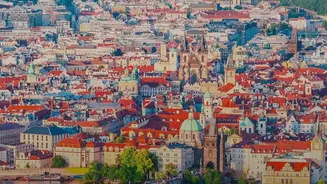
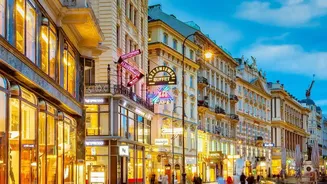
There’s a reason capital cities like Rome, Paris, and Prague top so many travel lists. They are the epicentres of national life, housing world-famous museums, architectural marvels, and a dizzying array of restaurants and shops. They are convenient, connected,
and promise a whirlwind of activity. A capital offers a highlight reel of a country's greatest hits, efficiently packaged for a week-long visit. However, this convenience can come at a cost. The experience is often highly curated for tourists, leading to crowds, higher prices, and a feeling that you are observing a place rather than truly connecting with it. You see the landmarks, but you might miss the subtle, everyday culture that exists just beyond the main squares.
Stepping Into a Living Past
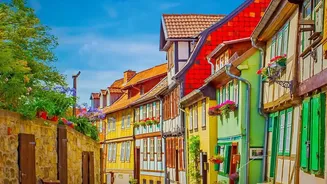
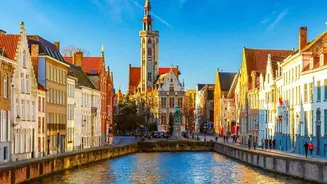
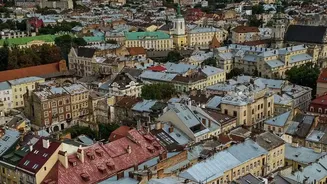
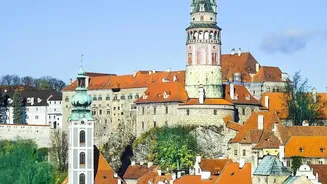
By contrast, medieval towns offer a different kind of time travel. Places like San Gimignano in Italy or Rothenburg ob der Tauber in Germany feel less like museums and more like living history. Here, the past isn't confined to a specific monument; it’s in the very layout of the winding streets, the texture of the stone walls, and the preserved half-timbered houses. Because these towns are often smaller and have been built upon for centuries, their history feels more intimate and accessible. You can walk the same paths that merchants and pilgrims did hundreds of years ago, not as part of a roped-off exhibit, but as the natural way to get from a bakery to a bookstore. This immersive atmosphere provides a powerful, unfiltered connection to the region's heritage.
The Value of a Slower Pace
Capital city travel often operates at a frantic pace, driven by a checklist of 'must-see' sights. The pressure is on to see and do as much as possible, turning a vacation into a marathon. Smaller towns invite—and sometimes enforce—a slower, more deliberate pace. With fewer blockbuster attractions, the focus shifts from doing to simply being. You have the time to sit at a cafe without feeling rushed, wander aimlessly down side alleys, and observe the daily rhythms of local life. This 'slow travel' approach allows for deeper appreciation and more lasting memories, trading a whirlwind tour for a restorative and meaningful connection to the place itself.
Finding Authenticity Beyond the Crowds
While no popular destination is entirely free of tourism, smaller towns often provide a more authentic glimpse into local culture. The line between 'tourist attraction' and 'local life' is more blurred. The market is for residents as much as it is for visitors, and the person serving you at a restaurant might be the owner whose family has lived in the area for generations. This environment fosters more genuine interactions. It's easier to strike up a conversation and gain insights that you simply can't find in a guidebook or a heavily touristed capital where interactions can feel more transactional. This shift away from a 'tourist-friendly' bubble often results in a more rewarding and culturally immersive experience.
Connecting the Dots of a Region
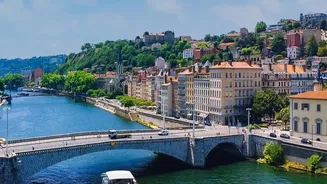
Perhaps the greatest benefit of exploring multiple towns is gaining a richer, more nuanced understanding of a region's identity. Visiting only Paris gives you a sense of Paris, not necessarily of France. But by hopping between smaller towns in a region like Alsace or Tuscany, you start to see the threads that connect them—the shared architectural styles, the unique local dialects, the distinct culinary traditions. You witness firsthand how a region's identity is a mosaic, formed by the collective character of its many small communities. This broader perspective reveals the story of a country from the ground up, offering a depth of understanding that a single city, no matter how grand, can rarely provide.