





1. Master Your Skincare Game
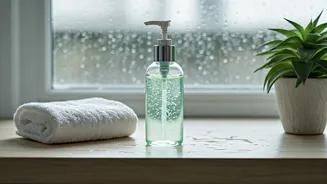
Monsoon humidity can be a nightmare for your skin, making it feel sticky and prone to breakouts. This is the time to switch up your routine. Instead of heavy, oil-based products, opt for lighter, water-based moisturisers and gel cleansers. Double cleansing
in the evening is your best friend—start with an oil-based cleanser to break down grime and sunscreen, then follow up with a gentle foaming wash to deep clean your pores. For those extra humid days, a dusting of talc-free or antifungal powder in areas prone to sweat can be a game-changer, keeping you dry and comfortable. And don't skip the sunscreen! UV rays are present even on cloudy days, so a lightweight, non-comedogenic sunscreen is non-negotiable.
2. Tame Your Monsoon Mane
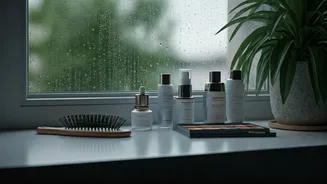
Frizzy, limp, or an unusually greasy scalp? Your hair is reacting to the excess moisture in the air. The key is to keep your scalp clean to prevent issues like dandruff and product build-up, which thrive in damp conditions. Consider switching to a clarifying or anti-dandruff shampoo once a week to give your scalp a deep clean. Always make sure your hair is completely dry before tying it up or going to bed; a damp scalp is a breeding ground for fungal infections. A light, anti-frizz serum can help manage flyaways without weighing your hair down. This isn't about fighting the humidity but working with it to keep your hair healthy and manageable.
3. Give Your Feet Extra TLC
Our feet bear the brunt of the monsoon, navigating puddles and damp socks. Neglecting them can lead to smelly feet and nasty fungal infections. Make it a daily ritual to wash your feet with soap and water after coming home, paying special attention to the spaces between your toes. Dry them thoroughly—this is the most crucial step. If possible, alternate between two pairs of shoes to allow each pair to dry out completely. Opt for open footwear like sandals or floaters when you can, to let your feet breathe. A weekly foot soak with warm water and a bit of salt can be both relaxing and deeply cleansing.
4. Choose Your Wardrobe Wisely
That feeling of wearing slightly damp clothes is a classic monsoon misery. Heavy fabrics like denim and thick cottons take forever to dry and can become a breeding ground for mould and bacteria, leading to skin irritations and that musty odour. This season, embrace lightweight, breathable fabrics. Cottons, linens, and synthetic blends that dry quickly are your best allies. Not only will they keep you comfortable, but they also reduce the risk of skin issues caused by prolonged contact with damp cloth. It's also a good idea to wash your clothes more frequently, and if you can, iron them before wearing—the heat helps kill any lingering germs and removes the last traces of moisture.
5. Create a Fresh Home Environment
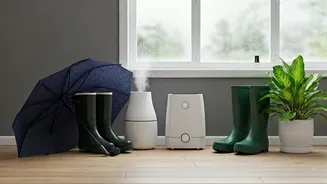
Your personal glow-up is closely linked to your environment. A damp, musty home can affect your mood and health. Ensure good ventilation by opening windows whenever it's not raining to let air circulate. Check for and clean any signs of mould on walls or in cupboards. You can use dehumidifiers or even simple, natural solutions like placing bowls of rock salt in corners to absorb excess moisture. Regularly wash your towels, bed linens, and curtains, as they can all trap humidity. A clean, dry living space not only feels better but is an essential part of your overall hygiene strategy for the season.
6. Boost Your Immunity from Within
A true glow-up starts from the inside. The monsoon season is notorious for water-borne diseases and a general drop in immunity. Be extra cautious with what you eat and drink. Stick to boiled or filtered water and avoid street food, especially raw items like chutneys or salads that may be prepared with unhygienic water. Incorporate immunity-boosting foods into your diet. Think ginger, turmeric, garlic, and plenty of vitamin C-rich fruits like oranges and amla. A warm bowl of soup or a cup of herbal tea is not just comforting on a rainy day; it's also a great way to stay hydrated and keep your digestive system happy.