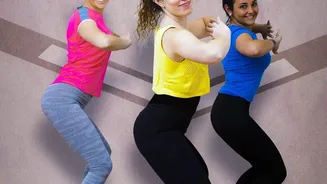







In the quest for an effective and enjoyable aerobic workout, two popular but very different options often emerge: dancing and rowing. One is an expressive, music-driven activity, while the other is a rhythmic, powerful full-body challenge.
The Cardiovascular Challenge
Both dancing
and rowing are excellent forms of cardiovascular exercise, proven to elevate your heart rate and improve circulation. Fast-paced dance styles like salsa, hip-hop, or even a high-energy Zumba class can provide a vigorous workout similar to jogging or swimming. These styles often involve periods of high intensity, keeping your heart working hard. Rowing, whether on a machine or on the water, offers a powerful and efficient cardio session. By engaging so many muscles at once, it demands a high volume of oxygen, making it a fantastic way to build stamina and strengthen your heart. The rhythmic, continuous nature of both activities makes them ideal for sustained aerobic conditioning.
Calorie Burn and Weight Management
When it comes to burning calories, the answer isn't always straightforward, as intensity and duration are key. However, studies have shown that certain forms of dance can be surprisingly effective. Research from the University of Brighton found that styles like contemporary and street dance could burn more calories per hour than running or cycling. Depending on the intensity, an hour of vigorous dancing can burn up to 500 calories. Rowing is also a calorie-torching powerhouse, with a typical session burning between 400 and 800 calories per hour. Its efficiency comes from engaging the entire body, which creates a significant metabolic demand. For those with limited time, both activities offer a very effective way to manage weight and burn calories.
Muscle Engagement: A Tale of Two Workouts
Here is where the two activities really diverge. Rowing is renowned for being a true total-body workout. A proper rowing stroke engages approximately 85-86% of your body's muscles, with the power coming primarily from the legs (60%), supported by the core (20%), and finished with the back and arms (20%). This makes it an incredibly balanced way to build strength and endurance simultaneously. Dancing is also a full-body activity, but its muscle engagement is less uniform. It excels at working the lower body—glutes, thighs, and calves—and toning the abdominal muscles through core stabilization and hip movements. Furthermore, the varied, multi-directional movements of dance engage smaller stabilizer muscles that are often missed in more linear exercises like rowing.
Impact on Joints and Injury Risk
For those concerned about joint health, rowing has a clear advantage. It is a high-intensity but low-impact exercise. Because you are seated, rowing removes the repetitive, body-weight impact on ankles, knees, and hips that comes with activities like running. This makes it an ideal choice for individuals with joint sensitivities or those recovering from certain injuries. Most dance styles are also considered lower-impact than running because the movement is often more fluid and lateral. However, some forms of dance, especially those involving jumping like high-impact aerobics or certain street dance moves, can still put stress on the joints. The key is choosing a style that matches your body's tolerance.
The Fun Factor and Accessibility
The best exercise is the one you will actually do consistently, and this is where personal preference plays a huge role. For many, dancing's combination of music, social interaction, and creative expression makes it feel less like a chore and more like fun. This enjoyment factor can be a powerful motivator. It’s also highly accessible, requiring little more than some space and music. Rowing, on the other hand, often requires access to a machine at a gym or a significant upfront investment for a home unit. While some find the rhythmic motion of rowing meditative, others may find it repetitive.