




The Dawn of the Microcation
For generations, the annual family holiday was a treasured ritual, involving months of planning and saving. But for millennials and Gen Z, that model is starting to feel outdated. Instead of one big trip, they are embracing a lifestyle of 'microcations'—short,
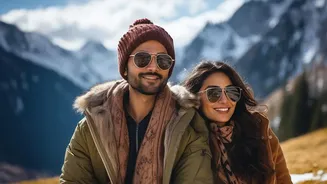
frequent trips of two to four days, often planned spontaneously. According to a recent Airbnb report, a staggering seven in ten young Indian travellers would rather take three short trips than one long annual vacation. This isn't just a minor adjustment; it's a fundamental shift in how travel is perceived. It's no longer a once-a-year event but an integrated, regular part of life, much like going out for a special meal or a concert.
Driven by Burnout and a Need for a Quick Reset
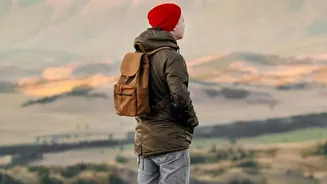
So, what's fuelling this change? A huge factor is the nature of modern work life. Intense schedules and digital fatigue have created a widespread need for frequent mental health breaks. A quick weekend getaway serves as a much-needed pressure release valve, helping to combat burnout more effectively than a single, distant holiday. The rise of hybrid and remote work has also been a game-changer. With the flexibility to work from anywhere, a 'workation' from a hill station or a beach town has become a viable option, blurring the lines between work and leisure. This allows professionals to escape the city without dipping into their limited leave balance.
Experiences Over Itineraries
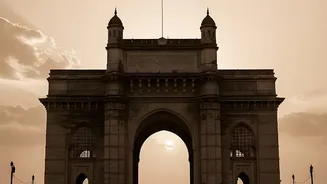
Today’s young traveller is an experience hunter. The goal is less about seeing a destination and more about doing something there. A trip might be built around a music festival, a food trail, a spiritual retreat, or an adventure sport. According to a 2026 Agoda report, experiences like exploring different cultures and outdoor activities are the primary drivers for travel among Indian Gen Z. This experience-first mindset lends itself perfectly to shorter trips. Rather than a packed ten-day itinerary, they prefer an immersive 48-hour journey focused on a single, high-impact objective. It's about the quality of the memory, not the duration of the stay.
The Economics of Spontaneity
While a single long vacation can feel like a massive financial undertaking, several smaller trips feel more manageable and budget-friendly. This perception of affordability is key. Young travellers believe that multiple shorter trips offer better value than one long holiday. The travel industry has been quick to cater to this. A boom in budget airlines, last-minute booking apps, and a wide array of boutique homestays and hostels means a spontaneous trip is always within reach. Nearly half of all bookings on some platforms are now made within three days of travel, showing a clear preference for impulsive decisions over long-term planning.
Social Media's Role in Inspiring the Next Trip
The influence of social media cannot be overstated. Platforms like Instagram have become a constant source of travel inspiration, making discovery easier than ever. A friend's post from a scenic cafe in the mountains or a travel creator's reel of a hidden beach can trigger an immediate desire to go. This has made travel more personal and reflective of individual identity. For Gen Z, travel is a form of self-expression. They seek unique stays and lesser-known locations that align with their personality, rather than just following a crowd to the most popular tourist spots.