





The Power of Blue Carbon
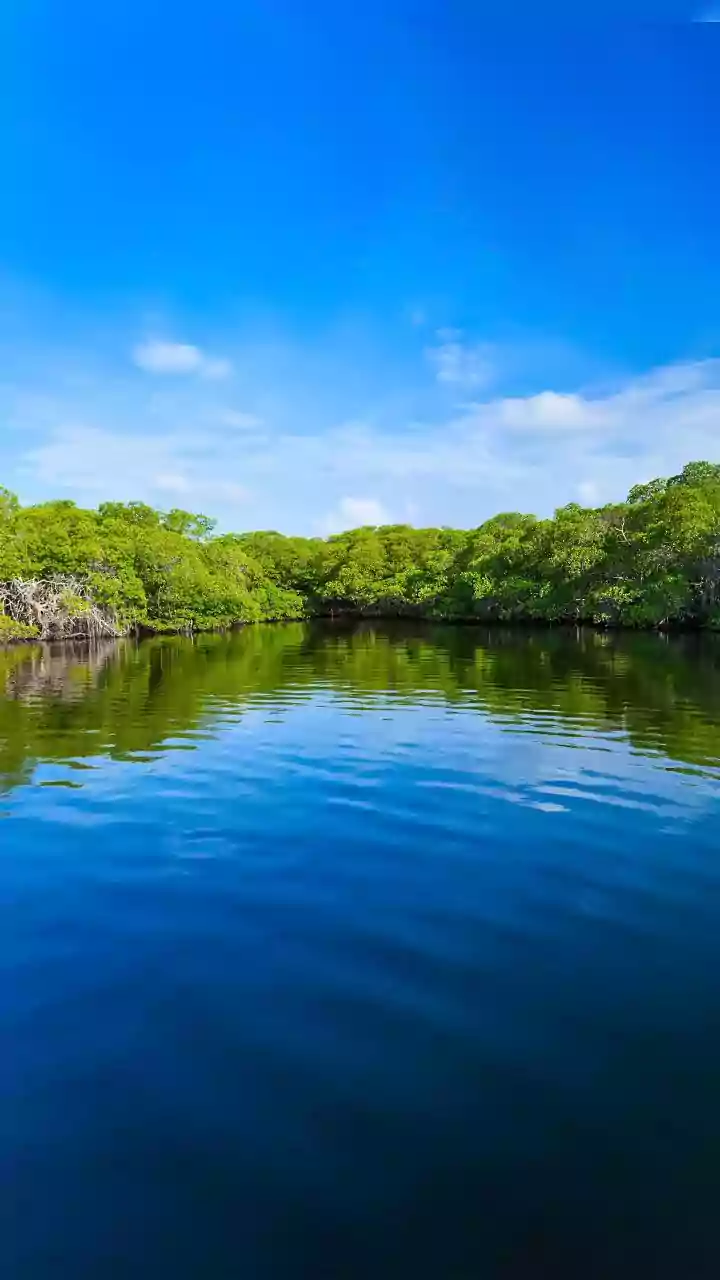
When we talk about fighting climate change, we often picture vast green forests. But there's another, lesser-known hero in this story: blue carbon. This is the carbon captured and stored by coastal and marine ecosystems like mangroves, seagrasses, and salt
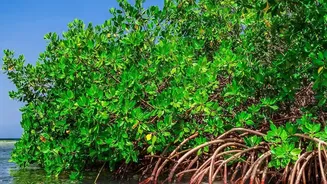
marshes. And among these, mangroves are superstars. They can store up to four or five times more carbon per acre than terrestrial rainforests. This carbon is stored not just in the trees themselves, but is buried deep in the muddy, waterlogged soil, where it can remain locked away for centuries. This makes mangrove forests one of the most effective nature-based solutions for drawing down atmospheric carbon dioxide, the primary driver of global warming. By investing in mangroves, we are investing in a powerful, natural carbon sink.
Restoring the Sundarbans' Shield
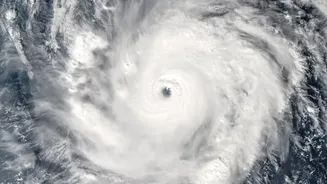
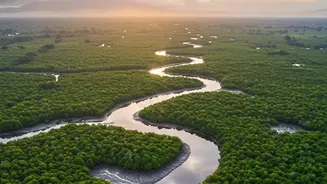
The Sundarbans, a UNESCO World Heritage Site spanning India and Bangladesh, is more than just a forest; it is a lifeline for millions. This sprawling delta acts as a natural barrier, protecting coastal communities from devastating cyclones and storm surges. However, due to climate change, rising sea levels, and human activity, this vital ecosystem is under immense threat. Recognising the danger, large-scale replanting initiatives like the MISHTI scheme have been launched to restore degraded mangrove habitats. But for these efforts to be truly effective, we need to know what works. Success isn't just about the number of saplings planted; it's about their survival, growth, and, crucially, their ability to function as a healthy ecosystem that captures carbon.
Eyes in the Sky Measure Success
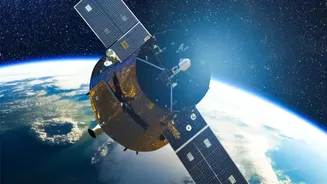
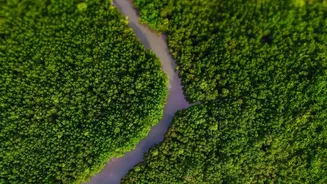
This is where satellite remote sensing changes the game. Traditionally, measuring the carbon stock of a forest required painstaking fieldwork—trekking through difficult terrain to measure trees by hand. This method is slow, expensive, and limited in scope, especially in a vast and inaccessible area like the Sundarbans. Satellite technology, using tools like Sentinel-1 and Sentinel-2, provides a revolutionary alternative. By analysing different light and radar signals from space, scientists can now map mangrove cover, assess canopy density, and estimate the amount of biomass over huge areas with remarkable accuracy. This data, combined with machine learning algorithms, allows for the creation of detailed, dynamic maps of carbon sequestration, virtually in real-time.
A Measurable Climate Victory
The latest data from these remote sensing studies paints a powerful picture of success. Studies combining satellite imagery with field data have quantified the direct carbon benefits of these restoration projects. Some analyses indicate that restored mangrove areas demonstrate significantly higher above-ground biomass and soil organic carbon compared to degraded areas. Specific studies in the Sundarbans have been able to model annual carbon uptake, showing that the forest sequesters millions of tonnes of CO2 equivalent each year. This ability to quantify the gains is a breakthrough. It proves that replanting efforts are not just cosmetic; they are making a measurable contribution to India's climate goals and creating a more resilient coastline.
From Data to Action
This new wealth of data does more than just confirm our successes; it guides our future. By identifying which restoration techniques lead to the highest carbon gains, conservationists can refine their strategies for maximum impact. Furthermore, this verifiable data is critical for unlocking new sources of funding. Robust monitoring, reporting, and verification (MRV) of carbon stocks is the foundation of blue carbon markets. By proving exactly how much carbon is being sequestered, these projects can attract investment through carbon credits, creating a sustainable financial model for conservation. This turns ecological restoration into an economic asset, providing livelihoods for local communities and ensuring the long-term protection of these vital habitats.