




Why Banana Peels for Your Plants?
Banana peels are a well-known bit of gardening folklore, and for good reason. They are particularly rich in potassium, a crucial macronutrient for plants. Potassium plays a vital role in nearly every process a plant needs to thrive: it helps regulate
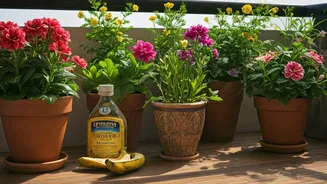
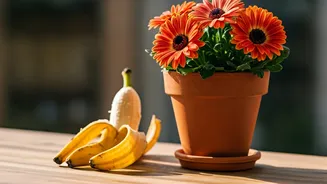
water intake, strengthens cell walls, and, most importantly for flowering plants, supports the development of buds, flowers, and fruit. Think of it as a tonic that encourages your bougainvillaea, roses, or hibiscus to put on their best show. While not a complete NPK (Nitrogen-Phosphorus-Potassium) fertiliser, the potassium boost from banana peels is excellent for plants that are about to or are currently flowering. The peels also contain smaller amounts of calcium, magnesium, and other micronutrients that contribute to overall plant health. By turning kitchen waste into a plant-loving brew, you're embracing a sustainable, zero-cost gardening hack.
The Simple 'Banana Tea' Recipe
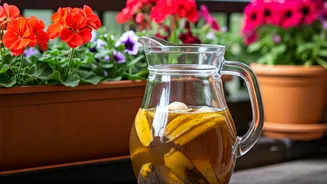
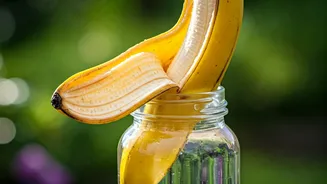
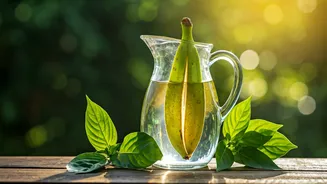
Creating your own banana peel fertiliser is incredibly easy. You don’t need any special equipment, just a few common household items. This recipe creates a liquid 'tea' that can be used as a spray or a soil drench. **What You'll Need:** - Peels from 2-3 ripe bananas - A large glass jar with a lid (around 1-litre capacity) - 1 litre of water (preferably filtered or rainwater, as tap water can contain chlorine that may affect soil microbes) **Step-by-Step Instructions:** 1. **Chop the Peels:** Cut the banana peels into small pieces, about an inch square. The smaller the pieces, the more surface area is exposed to the water, which helps release the nutrients more effectively. 2. **Add to Jar:** Place the chopped peels into your glass jar. 3. **Add Water:** Pour the litre of water over the peels, ensuring they are fully submerged. 4. **Seal and Wait:** Screw the lid on the jar and leave it to steep for 3 to 7 days. You can place it on a windowsill, but avoid direct, harsh sunlight. The water will slowly turn a brownish colour as the nutrients leach from the peels. 5. **Strain the Liquid:** After a few days, the brew is ready. Strain the liquid through a sieve or cheesecloth into another container to remove the solid peel pieces. Your banana tea is now ready to use!
How to Use Your Organic Brew
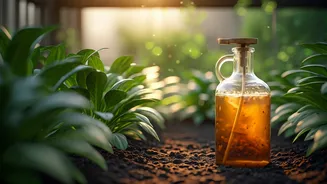
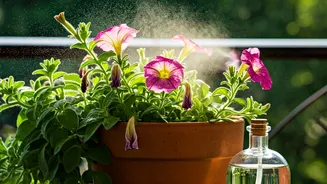
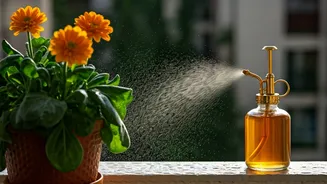
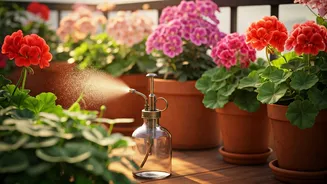
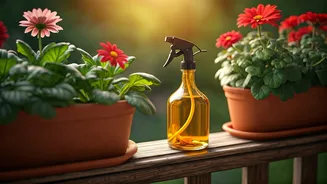
Proper application is key to getting the benefits without causing any issues for your plants. A common mistake is using the brew too frequently or in too concentrated a form. First, you must dilute the banana tea. A good rule of thumb is to mix one part banana tea with five parts water. So, if you have 100 ml of your brew, mix it with 500 ml of plain water. This dilution prevents the sugars in the brew from overwhelming the soil and attracting pests. There are two main ways to apply it: 1. **As a Soil Drench:** This is the most effective method. Simply water your plants with the diluted solution, pouring it directly onto the soil around the base of the plant. This delivers the nutrients directly to the root system where they are absorbed most efficiently. 2. **As a Foliar Spray:** You can also add the diluted mixture to a spray bottle and lightly mist the leaves of your plants. Some nutrients can be absorbed through the leaves, but be cautious. Avoid spraying in direct sunlight, as this can scorch the leaves. It's best to spray in the early morning or evening. Use this fertiliser once every two to three weeks during the growing and flowering season. Flowering plants like roses, tomatoes, peppers, hibiscus, and annuals will particularly appreciate the potassium boost.
Important Things to Watch Out For
While banana peel tea is a gentle fertiliser, there are a few potential downsides to be aware of. First, the brew can start to smell if left to ferment for too long. If it develops a strong, unpleasant odour or you see mould forming, it's best to discard it and start a new batch. Don't let it steep for more than a week. Second, the slight sugar content in the peels can attract pests like fruit flies, gnats, and ants if used improperly. This is why dilution is so important, and why drenching the soil is often preferable to leaving a sticky residue on the leaves. If you notice an increase in pests after using the spray, switch to soil application only or reduce the frequency. Finally, remember that this is a supplement, not a cure-all. It provides potassium but lacks significant amounts of nitrogen, which is essential for leafy growth. Ensure your plants also receive a balanced fertiliser or are potted in nutrient-rich soil for their overall health.