




The Real Cost of Fast Fashion
For years, the fashion industry has operated on a linear model of 'take-make-dispose'. This system, known as fast fashion, gives us access to trendy, inexpensive clothing but comes at a significant environmental price. The industry is responsible for
about 10% of global carbon emissions and is the second-largest consumer of water worldwide. For instance, it can take roughly 2,700 litres of water to produce a single cotton T-shirt. Beyond resource depletion, textile dyeing is the world's second-biggest polluter of water, as leftover chemicals are often discharged into rivers and streams. Furthermore, an estimated 92 million tonnes of textile waste are generated globally each year, with a staggering 85% of all textiles ending up in landfills annually. This growing awareness of fashion's environmental impact is a primary driver for the shift towards more sustainable options.
A Revolution in Materials
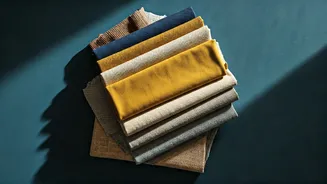
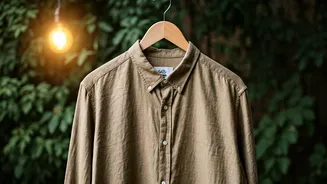
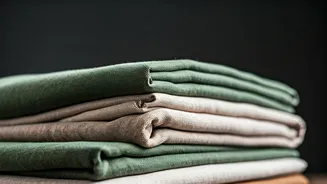
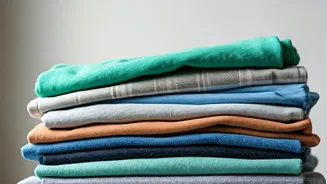
A key reason eco-fashion is more accessible now is due to innovation in fabrics. While organic cotton, which is grown without harmful pesticides, remains a popular choice, the options have expanded significantly. Materials like linen, derived from the flax plant, and hemp are gaining prominence as they require very little water and no pesticides to grow. We're also seeing a rise in semi-synthetic fibres created through eco-conscious processes. TENCEL™ Lyocell, made from wood pulp in a closed-loop system that reuses water and solvents, offers a silky, breathable option. Recycled materials are also changing the game. Recycled cotton and polyester give existing materials a second life, preventing them from ending up in landfills and reducing the need for virgin resources.
Circularity: The New Fashion Cycle
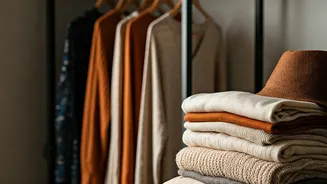
The conversation around sustainable style has evolved to embrace the concept of 'circular fashion'. This approach aims to create a closed-loop system where clothing is designed to be durable and kept in use for as long as possible through repairing, reusing, and eventually recycling. It’s a move away from disposability and towards longevity. In India, this reflects a return to traditional wisdom where clothes were passed down or repurposed. Today, this is supported by a growing number of take-back programs from retailers, and a booming online culture of thrifting and swapping clothes, especially among younger, urban consumers. This mindset shift redefines value, focusing on quality over quantity and encouraging a more mindful approach to what we buy.
India's Conscious Consumer Emerges
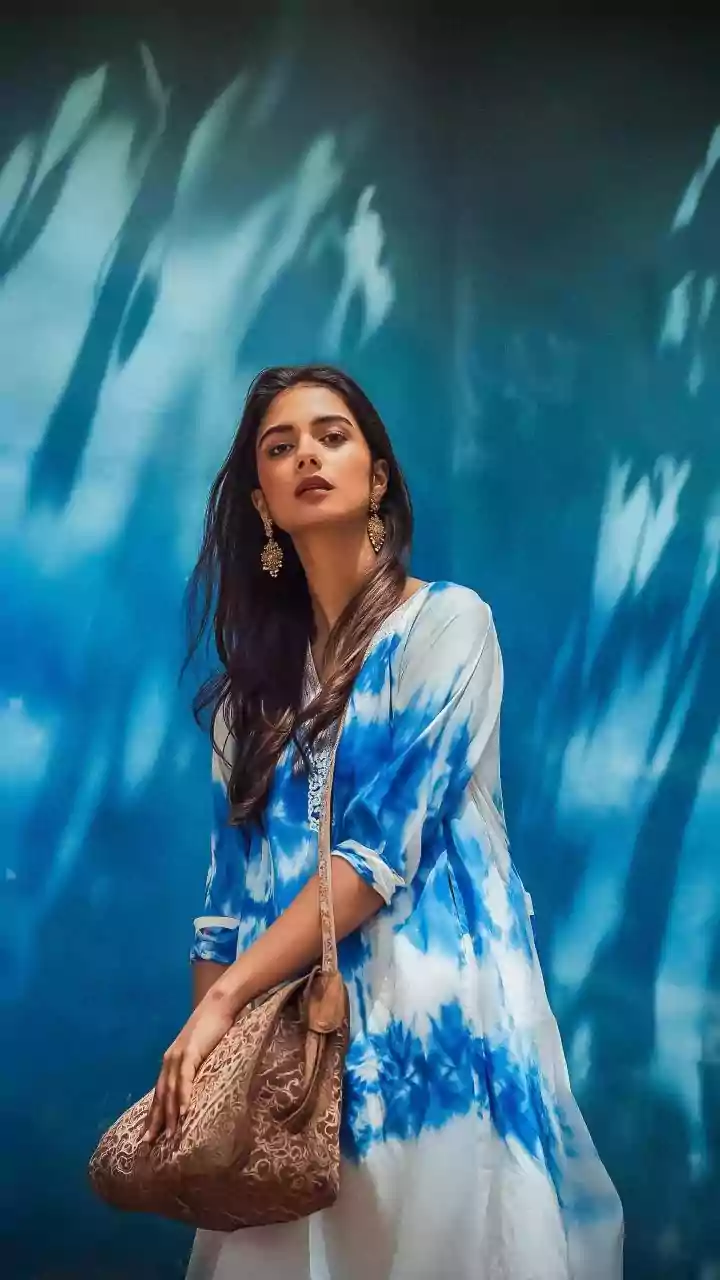
In India, the sustainable fashion movement is gaining significant momentum, with the market projected to grow substantially. This is largely fueled by a new generation of consumers, particularly millennials and Gen Z, who are more aware of environmental issues and are demanding transparency from brands. Studies show a majority of Indian consumers recognise the environmental problems caused by the apparel industry and consider sustainability in their purchasing decisions. This has led to a revival of local and traditional practices, with a renewed appreciation for handloom textiles like Khadi, Jamdani, and Ikat. Consumers are increasingly supporting local artisans and brands that champion ethical production, fair wages, and cultural preservation. Brands like No Nasties, Doodlage, and Nicobar are becoming popular by offering stylish clothing made with organic materials, upcycled waste, and a commitment to transparency.
Building Your Own Sustainable Wardrobe
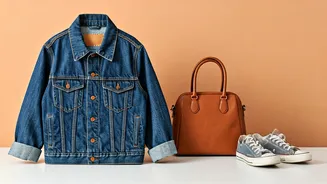
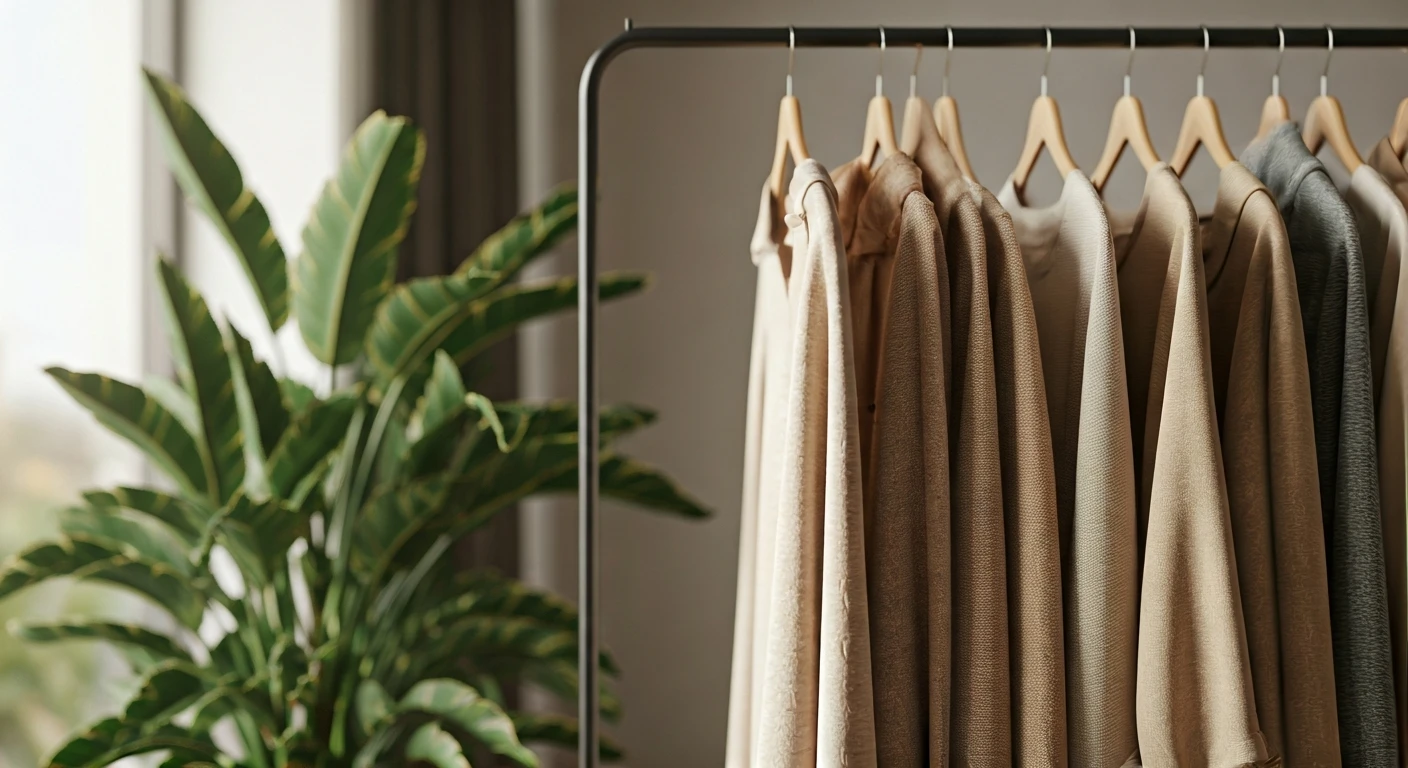
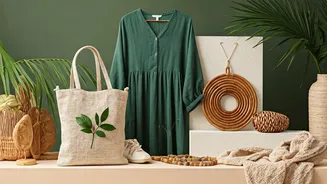
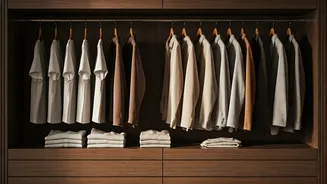
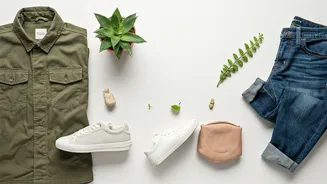
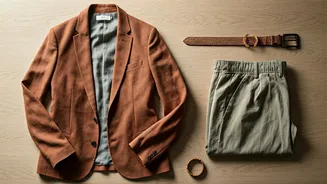
Adopting a more eco-conscious wardrobe doesn't require a complete overhaul. It begins with small, intentional choices. Start by embracing the 'buy less, buy better' philosophy. Focus on timeless, versatile pieces that you can wear for years, rather than chasing fleeting trends. When you do shop, look for sustainable material certifications and research brands to understand their production practices. Consider the entire lifecycle of a garment: Can it be repaired? Can you resell or swap it when you're done? Exploring pre-loved clothing through thrift stores is another excellent way to reduce your fashion footprint. The goal isn't perfection but progress, building a wardrobe that aligns with your style and your values.