






The UPI Comfort Zone
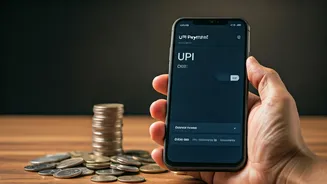
Unified Payments Interface (UPI) has transformed how we handle money domestically. It’s fast, free for users, and universally accepted, from high-end stores to street-side vendors. This seamless experience has naturally led Indian travellers to expect
the same convenience overseas. The good news is that UPI is officially available in a growing list of countries, including France, Singapore, the UAE, Nepal, Bhutan, Sri Lanka, and Mauritius, with more on the way. In these places, you can use your familiar UPI app to scan a local QR code and pay directly from your Indian bank account. However, this is where the simplicity can become deceptive.
The Hidden Cost of Conversion
While your UPI app itself might not charge a fee, international transactions are rarely free. When you pay in a foreign country, your rupees must be converted to the local currency. This process involves foreign exchange (forex) rates that often include a markup over the mid-market rate you see on Google. Furthermore, you might be presented with an option called Dynamic Currency Conversion (DCC). This service offers to show you the transaction amount in Indian Rupees at the point of sale. While it seems transparent, accepting DCC often means agreeing to a less favourable exchange rate set by the merchant's bank, which can be significantly higher than what your own bank would offer. These costs, while small on a single transaction, can add up substantially over a trip.
The Security Minefield: Fake QRs
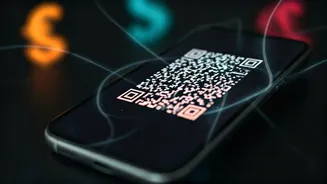
Beyond costs, there's a growing security threat known as 'quishing' or QR code phishing. Scammers place fake QR code stickers over legitimate ones in public places like parking meters, restaurants, or tourist spots. When you scan the fraudulent code, it directs you to a malicious website that looks like a genuine payment portal. Unknowingly, you might enter your bank details or credit card information, sending it straight to the criminals. The risk is higher when you're in a new country, possibly distracted, and less familiar with what a legitimate payment portal should look like. Unlike credit cards, which often have robust fraud protection and dispute mechanisms, UPI transactions are instant and generally irreversible, making it difficult to recover stolen funds.
Not All QR Codes Are Equal
It's crucial to understand that not every QR code you see abroad is part of the official UPI network. Some may link to third-party payment processors that come with their own set of fees and security vulnerabilities. Even in countries where UPI is officially accepted, its availability might be limited to specific merchants or banks that have partnered with NPCI International Payments Limited (NIPL). Transaction limits can also be a hurdle. While the network may allow up to ₹2 lakh per day for international merchant payments, your individual bank, the UPI app, or even the foreign merchant might impose a lower cap.
A Smarter Payment Strategy
So, should you avoid QR codes abroad entirely? Not necessarily. The key is to be strategic. In countries with official UPI integration, it can be a convenient option for small, everyday purchases. Before you scan, always confirm with the merchant that they officially accept UPI payments from India. For larger expenses, relying on a multi-pronged approach is safer and more cost-effective. Use a zero-forex markup credit card or a dedicated travel forex card, which offer better protection and often more competitive exchange rates. Always carry some local cash for emergencies or for places where digital payments aren't an option. The goal is to have a mix of payment methods so you’re never caught off guard.