



The Lower-Body Engine of Cycling
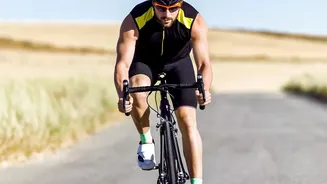
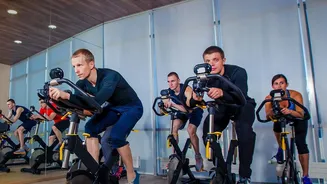
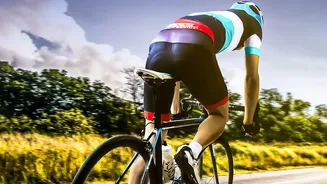
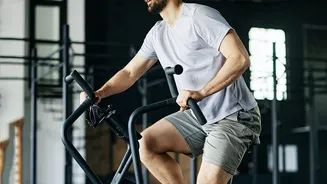
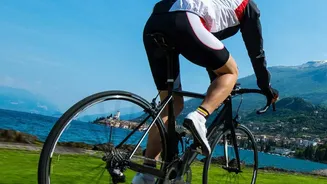
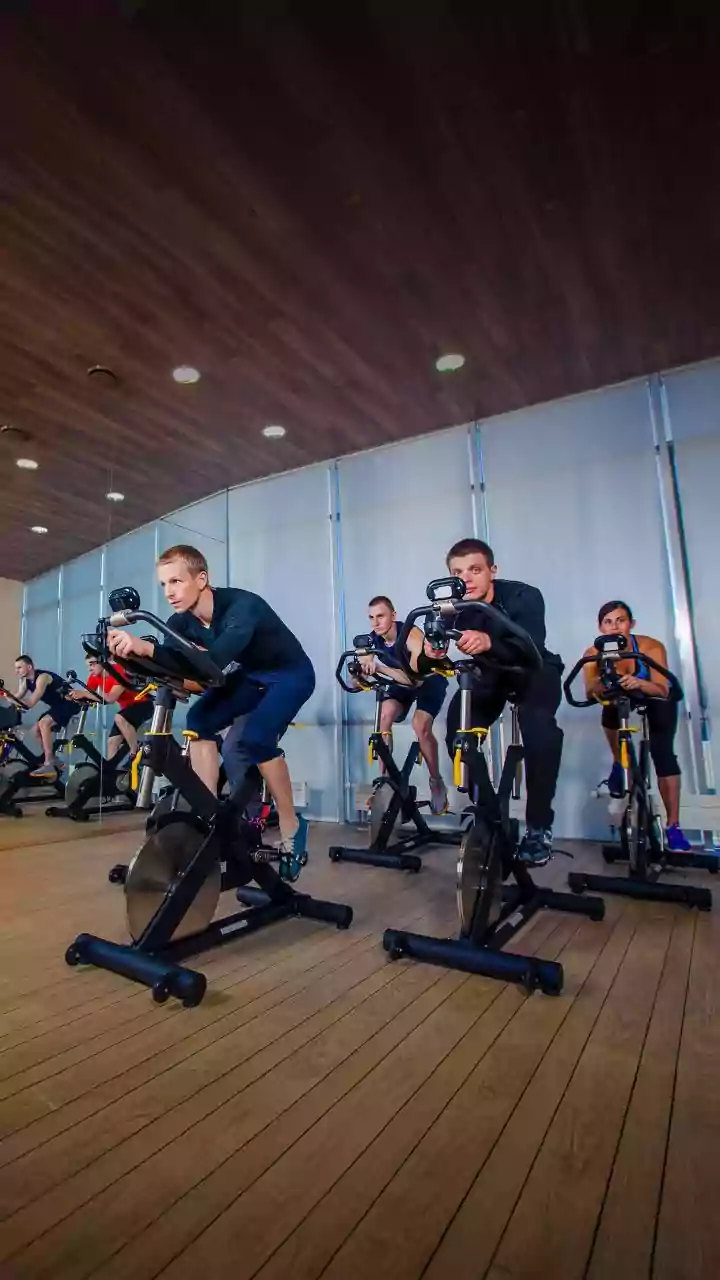
Cycling is renowned for building powerful leg muscles. The primary muscles at work are the quadriceps and hamstrings, which power the up-and-down motion of the pedal stroke. Your glutes and calves also play a significant role, especially when you stand
up on the pedals or tackle a steep incline. This repetitive, forward-focused motion makes cycling an excellent choice for developing lower-body strength and endurance. Because you are seated, the upper body and core are less engaged, acting more as stabilizers than primary movers. While your core does work to keep you stable on the bike, it's a less intensive core workout compared to other activities.
Skating’s Full-Body Engagement
Inline skating, whether for fitness or fun, provides a more comprehensive, full-body workout. The side-to-side push-off motion is key; it heavily recruits the inner and outer thigh muscles (adductors and abductors) and the gluteus medius, muscles that are often underutilised in cycling. Furthermore, skating demands constant balance, which means your core—including your abs, obliques, and lower back—is continuously engaged to keep you upright and stable. Your arms and shoulders also get in on the action, swinging to drive momentum and maintain rhythm, making it a well-rounded exercise.
Cardio and Calorie Burn
Both activities are stellar for cardiovascular health, strengthening your heart and improving endurance. When it comes to burning calories, intensity is everything. However, studies suggest that inline skating may have a slight edge. Because it engages more muscle groups simultaneously, skating can lead to a higher calorie expenditure at a moderate pace compared to cycling. One estimate suggests a 70kg person might burn around 350 calories per hour skating at a moderate pace, compared to about 300 for cycling. Of course, a high-intensity cycling session with hills can easily surpass a leisurely skate.
Impact on Joints and Accessibility
Good news for your joints: both cycling and skating are low impact activities, making them excellent alternatives to high impact exercises like running. The smooth, gliding motion of skating and the circular pedal stroke of cycling reduce the stress on your knees, hips, and ankles. In terms of accessibility, cycling is often easier for beginners to pick up, as balance can be less of an initial hurdle. Skating requires a bit more coordination and has a steeper learning curve, but mastering the balance provides significant core strengthening benefits.
Which is Right for Your Goals?
The best choice ultimately depends on what you want to achieve. If your primary goal is to build sheer power and endurance in your legs, especially your quads and hamstrings, cycling is a fantastic and targeted option. You can easily increase resistance by tackling hills or adjusting gears to focus on strength. If you're looking for a more balanced, full body toning workout that chisels your core, hips, and glutes while also providing a great cardio challenge, skating is hard to beat. Its focus on balance and coordination develops a different kind of functional strength.