
The Science of a Self-Watering Pot
At its core, a self-watering pot isn't magic, it's just smart physics. These containers consist of two main parts: a growing area for your plant and a water reservoir below it. A wicking system, often a simple cotton rope or a column of soil, connects
the two. Through a natural process called capillary action—the same force that lets a paper towel soak up a spill—water is drawn from the reservoir up into the soil as the plant needs it. This bottom-up approach allows the plant to regulate its own water intake, taking a drink whenever it's thirsty rather than waiting for you to remember.
The Advantage of Stable Moisture
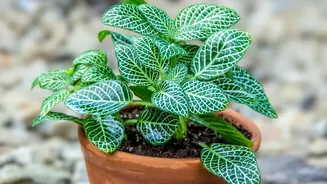
The primary benefit of this system is the consistent moisture it provides. Traditional top-watering in a pot with a shallow clay saucer creates a boom-and-bust cycle: the soil is saturated right after watering and then progressively dries out. This can stress a plant, especially tropicals and ferns that prefer steady hydration. Self-watering pots avoid these sharp swings. The soil remains evenly moist, which encourages stronger root growth and reduces the risk of both underwatering (leading to wilting) and overwatering (leading to root suffocation and rot). The drier soil surface can also discourage common pests like fungus gnats.
How Do Clay Saucers Compare?
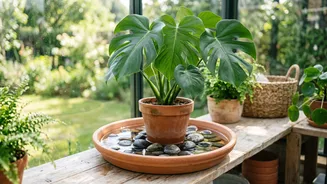
A traditional unglazed terracotta pot with a matching clay saucer functions very differently. Terracotta is porous, meaning air and water can pass through its walls. This is a fantastic feature for plants that need their roots to breathe and their soil to dry out quickly, like succulents, cacti, and many herbs. A shallow saucer is primarily there to catch drainage and protect your furniture. While some of that water can be reabsorbed through the drainage hole, it doesn't provide the sustained, regulated moisture of a self-watering reservoir. In fact, the porous nature of terracotta causes it to dry out much faster, requiring more frequent and vigilant watering for moisture-loving plants.
Are There Any Downsides?
Self-watering pots are not a perfect solution for every plant or person. Their biggest drawback is that they aren't suitable for species that need to dry out completely between waterings, such as succulents or snake plants; for them, the constant moisture is a death sentence. There's also a higher initial cost compared to a simple clay pot and saucer. Proper setup is crucial. Using dense garden soil can lead to waterlogging, as it blocks the capillary action the system relies on. A light, airy potting mix is essential. Finally, they aren't completely maintenance-free. The reservoir needs refilling, and the pot should be flushed with top-watering every month or so to wash away mineral buildup.
Choosing the Right Pot for Your Plant
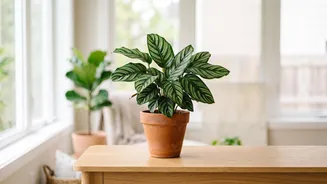
The choice between a self-watering system and a traditional pot comes down to the plant's needs and your lifestyle. If you're caring for thirsty plants like ferns, calatheas, or vegetables, or if you're a busy person who tends to forget watering, a self-watering pot can be a game-changer. It provides a safety net and promotes healthier, more stable growth. However, if your collection is full of desert dwellers, or if you enjoy the hands-on ritual of checking your soil and watering by hand, the control and breathability of a classic terracotta pot and saucer is hard to beat. The pot is a tool, and the best one is the one that helps your specific plant thrive.