






What Exactly Is Sleep Tourism?
Sleep tourism is a growing niche within the wellness industry where the primary goal of travel is to improve sleep quality. This goes far beyond just catching up on rest during a typical vacation. These are structured, intentional trips designed to reset
your body's natural rhythms. Instead of simply providing a comfortable bed, sleep-focused retreats and hotels offer immersive environments that combine holistic therapies, expert guidance, and sometimes even medical diagnostics to get to the root of poor sleep. Think of it less as a passive vacation and more as an active investment in your long-term well-being, where the goal is to return home with the tools for better rest.
The Millennial Burnout Factor
While people of all ages are tired, millennials seem to be at the forefront of this movement. Now in their early 30s to mid-40s, this is the generation that came of age with the rise of “hustle culture” and the 24/7 connectivity of the digital world. The result is a well-documented epidemic of burnout, stress, and chronic exhaustion. For many, conventional vacations no longer provide a true escape. In response, they are seeking out experiences that offer genuine restoration. Some surveys indicate that a significant percentage of U.S. travelers would be willing to go on a dedicated sleep retreat, signaling a major cultural shift from valuing productivity above all else to prioritizing mental health and recovery.
Beyond a Fancy Pillow Menu
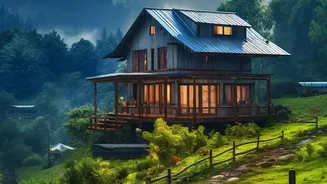
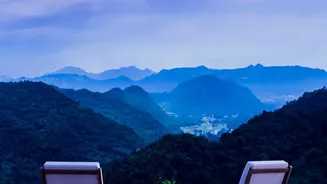
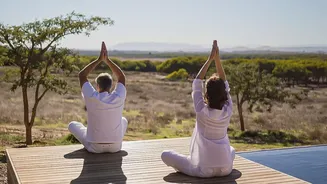
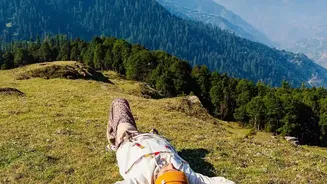
So, what actually happens at a sleep retreat? The offerings are surprisingly sophisticated. Many programs are built around resetting your circadian rhythm, the body's internal clock. This is often achieved by spending significant time in nature, with exposure to natural sunlight during the day and darkness at night. Activities might include guided nature walks, forest bathing, yoga, and meditation—all designed to lower cortisol levels and calm the nervous system. Some high-end retreats offer advanced diagnostics like sleep studies, consultations with sleep psychologists, and personalized nutrition plans. The environment itself is a key component, with tech-free zones, soundproofed rooms, and amenities like weighted blankets and aromatherapy all geared toward creating a sanctuary for deep, uninterrupted rest.
An Investment in a Fundamental Skill
The global sleep tourism market has grown into a multi-billion dollar industry, with some analysts projecting its value to increase significantly by 2030. This growth reflects a profound change in how we think about rest. Sleep is no longer seen as a passive state of inactivity, but as a fundamental pillar of health that, for many, has become a skill that needs to be relearned. These retreats aim to equip guests with sustainable habits they can integrate into their daily lives. The experience of achieving truly restorative sleep—sometimes for the first time in years—can be transformative, inspiring people to protect their newfound sense of well-being long after they check out. It’s a recognition that in our fast-paced world, the ultimate luxury isn’t extravagance, but genuine, restorative peace.