
From Clutter to Curation
Look around your home. Are your shelves and tabletops filled with objects you love? That's a wonderful thing. But when every surface is occupied, the result can be visual clutter that causes a sense of stress rather than joy. The first step towards creating
a more serene and impactful display is shifting your mindset from simply placing items to intentionally curating them. Curation isn't about getting rid of things you love; it's about choosing which stories to tell right now. By selecting a few key pieces for display, you give them the prominence they deserve. The rest aren't gone forever, just waiting for their turn in the spotlight.
The Power of Negative Space
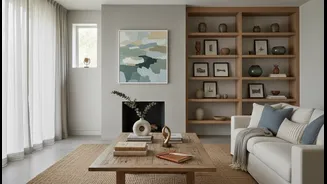
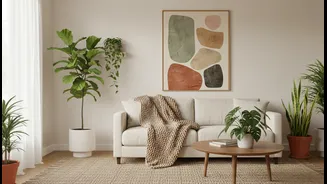
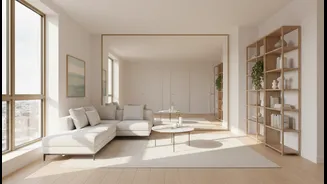
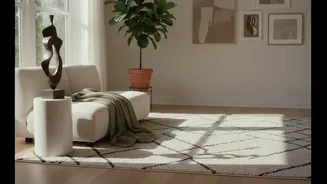
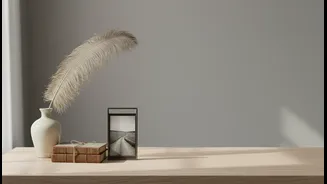
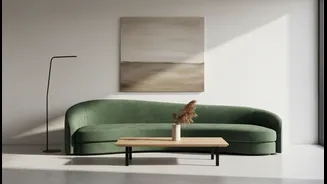
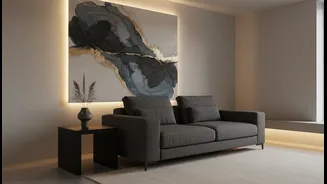
In interior design, 'negative space' is the area around and between your objects. It's not empty space; it's an active and powerful tool. This 'breathing room' gives our eyes a place to rest, allowing us to appreciate the items on display. Without it, even beautiful, expensive pieces can get lost in a chaotic jumble. Think of an art gallery. A single painting on a large wall has immense impact because nothing is competing for your attention. Negative space brings this same principle into your home, helping to create a visual hierarchy where the most important elements stand out. It reduces sensory overload and creates a feeling of calm and order, making a room feel more inviting and even larger than it is.
The Art of the Vignette
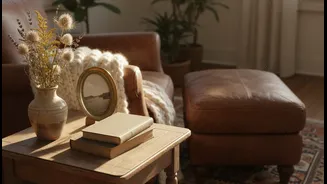
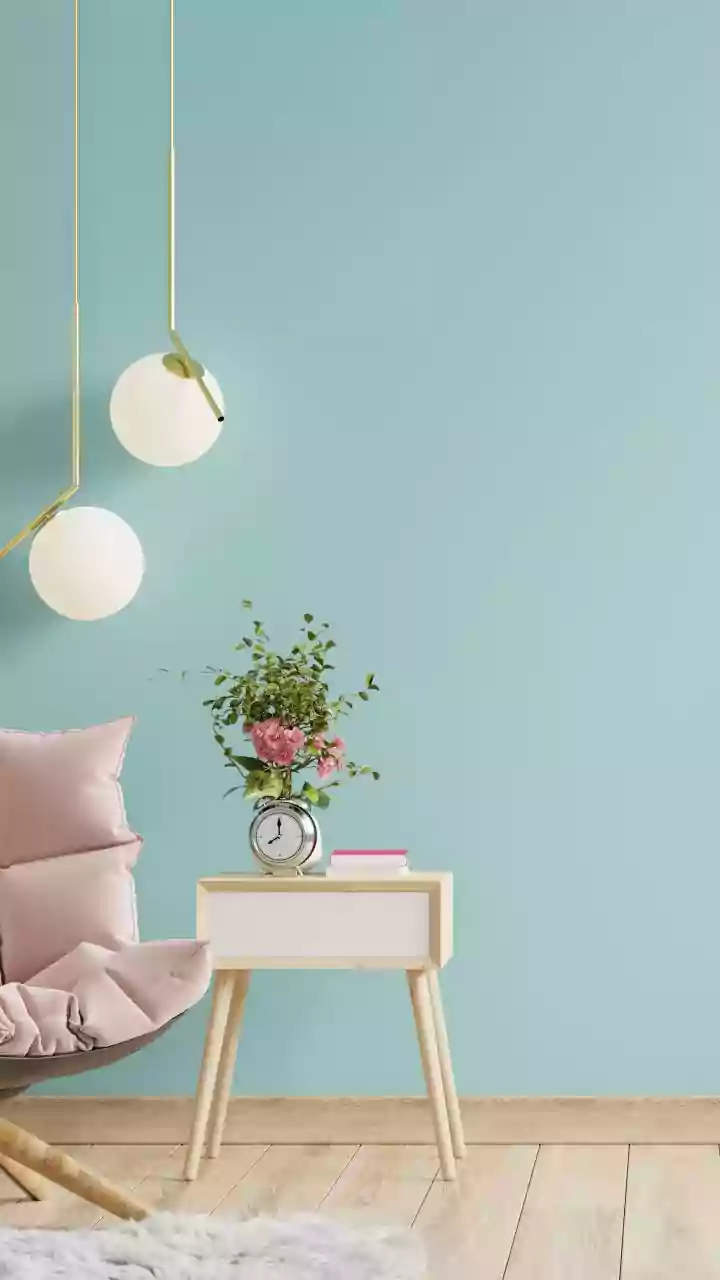
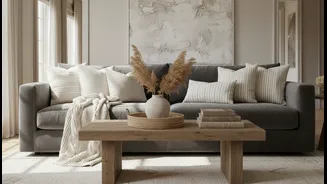
A vignette is a small, artful grouping of objects that tells a story. It's the perfect way to display a few meaningful items together. Start by choosing a foundation, like a tray or a stack of books, to visually anchor the grouping. A classic designer's trick is to group items in odd numbers, typically three or five. Vary the height of your objects to create a more dynamic and interesting composition. For example, you might pair a tall vase with a medium-sized framed photo and a small, decorative bowl. Mix textures and materials—like smooth ceramic, rough wood, and shiny metal—to add depth and tactile interest. The goal is to create a cohesive look where the objects make sense together.
Tell a Story with Your Space
Every collection has a narrative, and giving it breathing room helps that narrative shine. When you group similar items together—all your blue pottery, for instance, or a collection of vintage cameras—they make a much stronger statement than if they were scattered throughout the house. This approach turns a group of objects into a purposeful collection. Your home should reflect your personality and experiences. By curating your displays, you are not just decorating; you are storytelling. You are creating focal points that serve as conversation starters and daily reminders of the people, places, and memories you hold dear.
The Joy of Rotation
One of the biggest challenges for a passionate collector is the sheer number of cherished items. The solution isn't to stop collecting, but to rotate your displays. Think of your home as your personal gallery, with seasonal or periodic exhibitions. Store some of your collections safely and swap them out every few months. This practice has several benefits. It prevents your decor from feeling static, allowing you to see your treasures with fresh eyes. It also ensures that every item gets its moment to be appreciated. Most importantly, it allows you to keep your surfaces looking curated and intentional rather than crowded and overwhelming.