


Look inside a modern Indian kitchen, and you might see something surprising: grains that your great-grandparents would have eaten. Once sidelined, heritage grains are making a remarkable comeback, moving from memory to the mainstream menu.
A Return to the Roots
For generations,
long before wheat and rice dominated the national plate, a diverse range of hardy grains formed the backbone of India's diet. Grains like jowar (sorghum), bajra (pearl millet), and ragi (finger millet) were staples, perfectly adapted to local climates and packed with nutrition. Following the Green Revolution in the 1960s, a focus on high-yield rice and wheat pushed these heritage grains to the margins, often branding them as 'poor man's food'. But today, a powerful shift is underway. Consumers, chefs, and policymakers are rediscovering these 'nutri-cereals', not as relics of the past, but as essential ingredients for a healthier future.
The Modern Health Halo
A major driver of this grain renaissance is a growing awareness of health and wellness. Compared to polished rice and refined wheat, millets are nutritional powerhouses. They are naturally gluten-free, high in dietary fibre, and packed with essential minerals like iron and calcium; in fact, ragi contains more calcium by weight than milk. With a low glycemic index, they release energy slowly, making them ideal for managing blood sugar levels and promoting a feeling of fullness, which aids in weight management. As lifestyle-related health issues become more prevalent, these ancient grains offer a simple, dietary solution rooted in Indian tradition.
From Farm to Five-Star
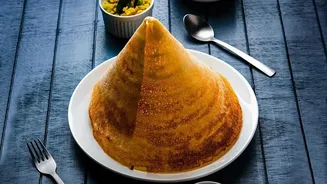
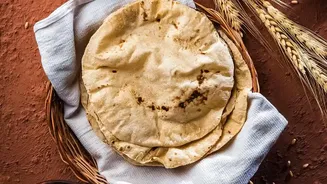
This revival isn't just happening in home kitchens. Innovative chefs across the country are championing heritage grains, transforming them from humble staples into gourmet experiences. In cities like Mumbai, Chennai, and Delhi, top restaurants are crafting everything from millet risottos and ragi pancakes to jowar salads and amaranth-crusted appetisers. Chefs like Anahita Dhondy, author of 'The Grain Kitchen', are re-introducing these ingredients to a new generation of diners, proving their versatility beyond traditional rotis and porridges. This culinary creativity has been crucial in shifting public perception, making heritage grains fashionable, desirable, and accessible.
A Global Push with Indian Roots
The movement has significant official backing. At India's behest, the United Nations declared 2023 the 'International Year of Millets', a move that catapulted these grains onto the global stage. This initiative, spearheaded by the Indian government, aimed to raise awareness about the nutritional and environmental benefits of millets. The government has been actively promoting millet cultivation and consumption through various schemes, including rebranding them as 'Nutri-Cereals' in 2018 and showcasing them at international forums like the G20 summits. This top_down support has created a robust ecosystem, encouraging farmers, entrepreneurs, and exporters to invest in the millet economy.
The Sustainable Choice
Beyond nutrition and culture, heritage grains are a powerful tool for climate resilience. Millets are hardy, drought_resistant crops that thrive in poor soil with minimal water—often requiring 70% less water than rice. They also need fewer chemical fertilisers and pesticides, which is better for the soil and the environment. By choosing to cultivate and consume a wider variety of grains, India can build a more diverse and resilient food system, less dependent on water_intensive monocultures. This makes the return of heritage grains not just a dietary trend, but a vital step towards a more sustainable agricultural future.