





More Than Just Motion
When we think about exercise, we often focus on the activity itself. But the speed at which we perform it plays a huge role in the benefits we receive. Fast movements, like those in skating, challenge our cardiovascular system, building heart strength
and endurance. Slow, controlled movements, the foundation of Tai Chi, recruit different muscle fibres and place a greater emphasis on stability and control. The choice between fast and slow is not just about preference; it is about targeting different systems within your body. High-intensity workouts are excellent for burning calories and boosting metabolism, while slower practices are unmatched for refining motor control and enhancing body awareness.
The Case for Skating: Cardio and Power
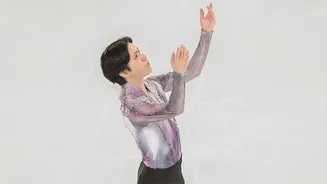
Skating, whether on ice or with wheels, is a dynamic and powerful form of aerobic exercise. The continuous gliding motion provides an excellent cardiovascular workout that is often compared to running or cycling, but with the added benefit of being lower impact on the joints. Pushing off and balancing engages nearly every muscle in the lower body and core, building strength and definition. The faster you go, the harder your heart and lungs work, making it a highly efficient way to improve your fitness. The calorie burn can be substantial, making it a strong choice for weight management. Furthermore, the act of balancing on a thin blade or a line of wheels constantly challenges your stability, contributing to better coordination over time.
The Gentle Strength of Tai Chi
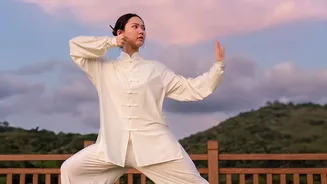
Tai Chi is often described as 'meditation in motion'. This ancient Chinese practice combines gentle, flowing movements with deep breathing and mental focus. While it may look easy, Tai Chi is a sophisticated exercise with profound health benefits, particularly for balance and stability. Studies have consistently shown that regular Tai Chi practice is one of the most effective ways to prevent falls, especially in older adults. It works by training the body's proprioception—its ability to sense its own position in space. This mind-body connection also helps reduce stress, lower blood pressure, and improve mental clarity. While not a high-intensity calorie burner, it builds functional strength, flexibility, and a sense of calm that few other exercises can offer.
What the Direct Comparison Shows
When placed side-by-side, the strengths of each activity become clear. If your primary goal is cardiovascular conditioning and calorie expenditure, skating has the clear advantage. Its intensity provides a robust workout for your heart and major muscle groups. However, if your focus is on improving balance, preventing falls, and reducing stress, research suggests Tai Chi is superior. It directly trains the neuromuscular system responsible for keeping you upright and stable. One is an external, power-based activity, while the other is an internal, control-based practice. Interestingly, both improve aspects of cognitive function, but likely through different pathways: skating through increased blood flow to the brain and Tai Chi through its meditative focus and complex motor sequences.
Choosing the Right Movement for You
So, which should you choose? The best answer depends entirely on your personal goals, physical condition, and what you enjoy. For someone looking to build athletic endurance and strength, skating offers a fun and effective workout. For an individual concerned with stability, flexibility, and mental wellness as they age, Tai Chi is an outstanding choice. But you do not have to pick just one. The two can be wonderfully complementary. A week that includes a few high-energy skating sessions and a couple of calming Tai Chi practices could offer a holistic approach to fitness, covering power, endurance, balance, and mindfulness. The most effective fitness plan is one that addresses all facets of your well-being.