

The Sweetness of Tradition
For generations, the festival of Janmashtami, which celebrates the birth of Lord Krishna, has been steeped in devotion and culinary rituals. Central to these celebrations is the offering of 'bhog' or 'prasad,' a variety of food items prepared for the deity.
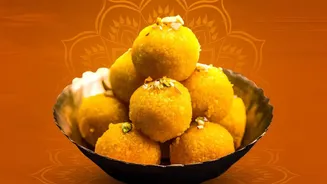
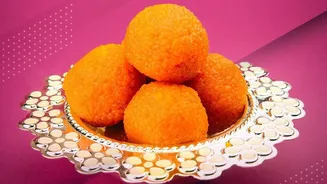
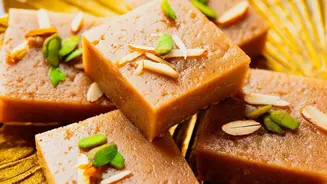
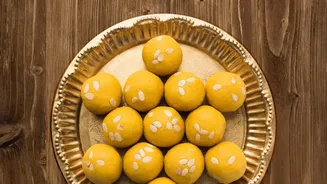
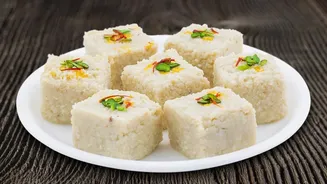
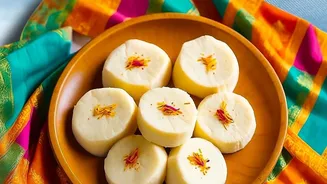
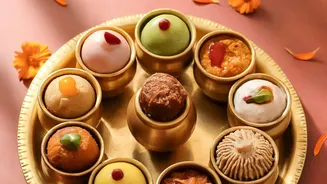
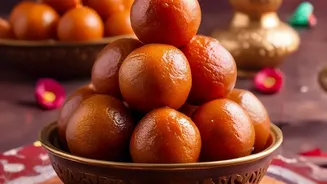
Given Krishna's legendary fondness for milk, butter, and sweets, it’s no surprise that dairy-based mithai are festival staples. Classic preparations like milk peda, creamy rabdi, and makhan mishri (freshly churned butter with rock sugar) are lovingly made in households across the country. These sweets are more than just dessert; they are an expression of faith and cultural identity, their recipes passed down through generations.
A New Generation’s Palate
In recent years, a significant shift has been taking place. A growing awareness around health and wellness, particularly among younger Indians, has led to a re-evaluation of traditional diets. Concerns about high sugar consumption and lifestyle-related health issues have prompted many to seek out healthier alternatives, even during festivals. This doesn't mean abandoning tradition. Instead, a dynamic movement of culinary innovation has emerged, driven by young entrepreneurs, home chefs, and food startups who are passionate about preserving their heritage while adapting it to modern sensibilities. These 'youth collectives' are at the forefront of a quiet but delicious revolution.
Reimagining the Classics
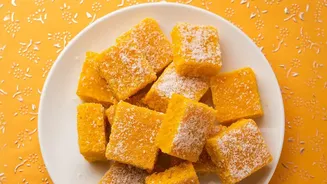
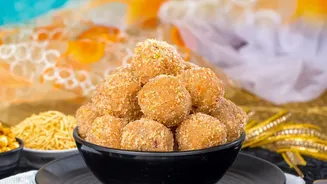
So, how exactly are these traditional sweets being upgraded? The primary change is the move away from refined white sugar. Innovators are turning to a pantry of natural sweeteners that offer flavour without the unhealthy spike. Jaggery (gud) is a popular choice, lending its earthy, mineral-rich sweetness to everything from besan laddoos to panjiri. Date paste provides a caramel-like flavour and is packed with fibre, making it an excellent binder for energy bites and some types of barfi. Other alternatives include coconut sugar, honey, and even plant-based sweeteners like stevia for diabetic-friendly options. The goal is to reduce the glycemic load while enhancing the nutritional profile, often by incorporating ingredients like millets, nuts, and seeds.
The Innovators Behind the Counter
This trend is being powered by a diverse group of food entrepreneurs. Some are established brands like Anand Sweets and Kanti Sweets, which have introduced dedicated 'healthy' or 'sugar-free' lines featuring jaggery and date-sweetened mithai to meet consumer demand. Others are newer, digital-first companies founded by young people who saw a gap in the market for clean-ingredient sweets. These businesses often combine artisanal recipes with modern food science and slick, sustainable packaging. This new generation of mithai-wallas is not just selling a product; they are curating a lifestyle that balances indulgence with well-being, proving that traditional Indian sweets can evolve. Chefs like Niyati Rao and Vanika Choudhary are also championing a broader movement of using indigenous and hyperlocal ingredients, a philosophy that aligns perfectly with this mithai renaissance.
More Than Just a Health Fad
This movement is more than a fleeting trend; it represents a deeper cultural shift. By making traditional sweets more accessible to the health-conscious, these young innovators are ensuring that culinary traditions remain relevant and are passed on. It’s a form of preservation through evolution. A jaggery-sweetened peda or a date-and-nut laddoo is not a rejection of the classic recipe but an adaptation that allows more people to partake in the festive joy without compromising their health goals. It’s a thoughtful blend of the past and the present, ensuring that the sweetness of Janmashtami can be savoured for many more years to come, in a way that is both mindful and delicious.