



1. It’s Science: The Pull of Biophilic Design
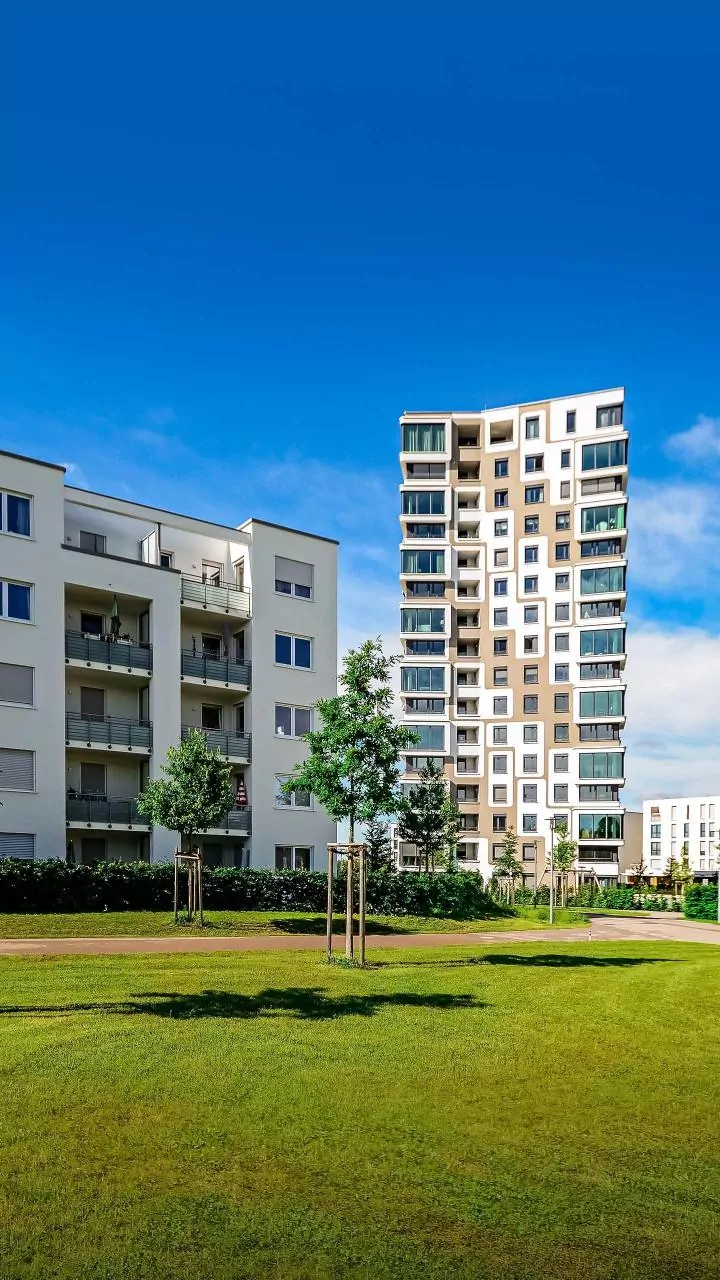
At its core, this trend is driven by a concept called ‘biophilic design’. It sounds complex, but the idea is simple: humans have an innate tendency to seek connections with nature. For millennia, we lived surrounded by it. Now, as urbanisation packs us
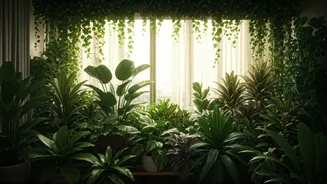
into concrete jungles, this instinct is reasserting itself. Biophilic design is the practice of integrating nature into our built environment. Studies have shown that even simple visual connections to nature can lower stress levels, improve cognitive function, and enhance overall mood. When you bring a plant into your home, you're not just adding a decorative object; you're satisfying a deep-seated biological need for green.
2. The Urban Antidote
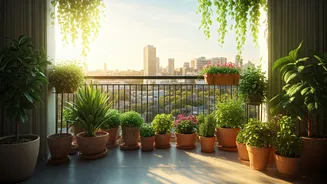
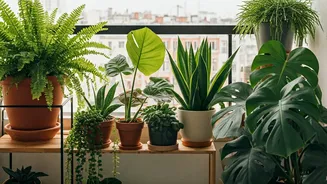
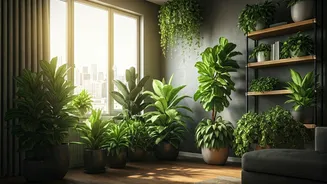
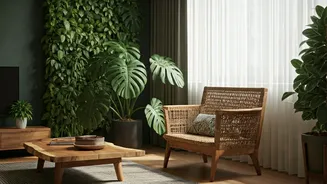
For many living in bustling Indian metros like Mumbai, Bengaluru, or Delhi, a private garden is an unattainable luxury. Balconies are small, and public parks can be crowded. Indoor green spaces offer a personal, accessible slice of nature. A collection of pots on a windowsill, a vertical garden on a balcony wall, or a large fiddle-leaf fig in a living room corner becomes a private oasis. This isn't just about aesthetics; it’s a direct response to the sensory overload of city life. The quiet, living presence of plants provides a calming counterbalance to traffic noise, digital notifications, and the relentless pace of urban living.
3. Instagram-Worthy Interiors
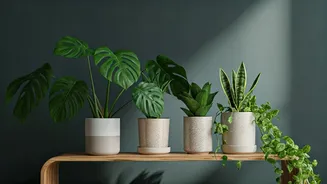
Let’s be honest: social media has played a massive role. Platforms like Instagram and Pinterest are flooded with images of stunning, plant-filled homes. The 'jungalow' aesthetic—a portmanteau of 'jungle' and 'bungalow'—has become a global phenomenon. A well-placed monstera or a cascading pothos can instantly make a room feel more curated, vibrant, and photogenic. This visual appeal has turned plant ownership into a status symbol of sorts, signalling a lifestyle that is wellness-oriented, stylish, and connected to nature. For a generation that documents and shares its life online, creating a beautiful home environment has become a key form of self-expression.
4. The New-Age Air Purifiers
With growing concerns about indoor air quality, plants are being recognised as nature's air purifiers. While you'd need a veritable jungle to match a mechanical purifier, many common houseplants are effective at filtering out volatile organic compounds (VOCs) like formaldehyde and benzene, which are often emitted by furniture, paints, and cleaning products. NASA’s famous Clean Air Study highlighted species like Snake Plants (Sansevieria trifasciata), Spider Plants (Chlorophytum comosum), and Peace Lilies (Spathiphyllum) for their air-cleaning properties. In polluted cities, the idea that your home decor can also contribute to a healthier breathing environment is a powerful motivator.
5. A Hobby That Nurtures
Beyond the passive benefits, caring for plants has become a mindful hobby for many. The act of watering, pruning, and watching a plant grow offers a tangible sense of accomplishment and a gentle routine. It’s a low-stakes way to practice nurturing and patience. Unlike digital distractions, plant care connects you to natural cycles of growth and rest. For many young adults, it's their first experience of being a caregiver, earning them the popular title of 'plant parent'. This hands-on engagement provides a welcome break from screen time and fosters a deeper, more personal connection to the green life in their homes.