


The Heart of the Dish: Usal
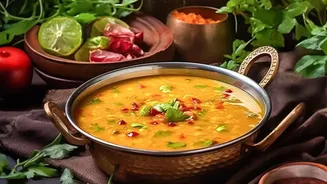
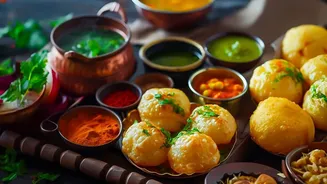
At its core, Misal Pav is built around a robust curry called 'usal'. This is typically made from sprouted moth beans, known as 'matki', which are simmered in a flavourful gravy. The sprouts provide a nutritious base and a pleasing, slightly nutty bite
that grounds the entire dish. While moth beans are traditional, some variations might use sprouted moong beans or a mix of lentils. This hearty, protein-packed curry isn't just a simple base; it’s a flavourful component in its own right, seasoned with a blend of spices that sets the stage for what’s to come.
The Fiery Kick: Tarri
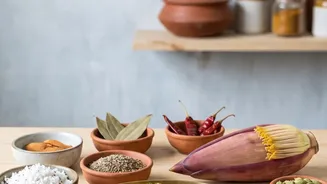
What truly distinguishes a great misal is the 'tarri' or 'kat'—a fiery, watery gravy that’s ladled over the usal. This isn't just extra sauce; it's the soul of the misal's spice. Often appearing as a shimmering red layer of oil and spices on top, the tarri is where the heat comes from. It's made with a complex blend of spices, which can include dried red chillies, coconut, onion, and garlic. The intensity of the tarri is a matter of regional pride and personal preference, with many eateries offering different spice levels, from medium to extra spicy, to cater to every palate.
The Essential Crunch: Farsan
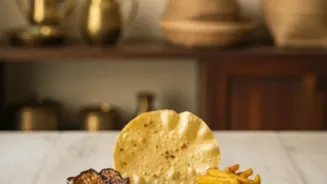
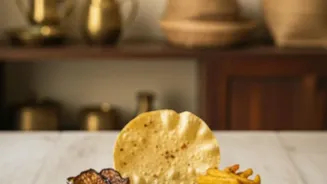
Now for the crunch that provides the perfect counterpoint to the soft and soupy elements. No misal is complete without a generous topping of 'farsan'. Farsan is a broad term for a variety of crunchy, savoury fried snacks, but for misal, it usually refers to a mix that includes 'sev' (crispy chickpea flour noodles) and other crunchy tidbits. This layer is non-negotiable; it adds a crucial textural contrast that makes every bite interesting. The farsan soaks up some of the spicy tarri while remaining delightfully crisp, creating a perfect marriage of soft and crunchy textures.
The Perfect Vehicle: Soft Pav
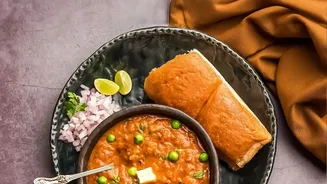
With all these complex layers in the bowl, you need the right tool to scoop it all up. Enter the 'pav', a soft, slightly sweet Indian bread roll. Often served lightly toasted with butter, the pav is the ideal companion for the fiery, flavourful misal. Its primary role is to be a sponge, soaking up the delicious gravy and bringing all the elements together in one perfect mouthful. The pillowy softness of the bread provides a comforting balance to the spice and crunch of the misal itself.
The Fresh Finish
To complete the symphony of flavours, Misal Pav is garnished with fresh toppings that cut through the richness and heat. A handful of finely chopped raw onions adds a sharp, pungent crunch, while fresh coriander leaves bring a bright, herbaceous note. A final squeeze of lemon or lime juice provides a burst of acidity, brightening up all the other flavours and balancing the spice. Some might even add a dollop of yogurt ('dahi') to cool things down. These finishing touches are what make the dish feel complete, turning it into a well-rounded and deeply satisfying meal.
A Dish of Many Faces
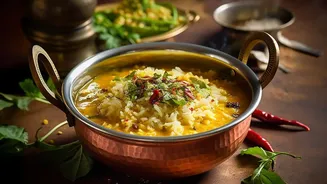
While the core components remain the same, Misal Pav has countless regional variations across Maharashtra. The Kolhapuri version is famously fiery, known for its intense spice and deep red tarri. In contrast, Puneri misal is often milder and may even have a slightly sweet and tangy taste, sometimes including poha (flattened rice) in the mix. The Nashik style strikes a balance between the two and might feature a black masala gravy ('kala rassa'), while the Khandeshi version is also known for its unique black masala made from roasted spices. This diversity is a testament to the dish's role as a cultural emblem, adapted and loved in every corner of the state.