






Start With Your Itinerary
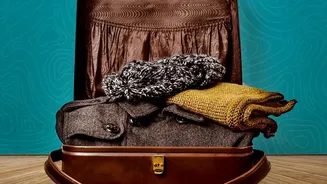
Before a single shirt goes into your bag, consult your travel plans and the weather forecast. Most people overpack because they plan for vague possibilities instead of their actual itinerary. Make a list of your planned activities: sightseeing days, nice
dinners, beach time, or business meetings. Check the day-by-day weather forecast for your destination, paying attention to temperature ranges, humidity, and chances of rain. This dual focus on activities and climate creates a practical checklist for what your wardrobe actually needs to accomplish, shifting the focus from packing “just in case” items to packing with purpose.
Choose a Cohesive Color Palette
The secret to a versatile and efficient travel wardrobe is a limited, coordinated color palette. This doesn’t mean your outfits have to be boring. Start with two or three base neutrals like navy, black, grey, or tan for your main pieces like trousers, jackets, and shorts. Then, add two or three accent colors that complement each other and the neutrals. This simple rule ensures that almost every top in your suitcase can be worn with every bottom, exponentially increasing your outfit combinations without adding bulk. If every item can be mixed and matched, you can create a week's worth of looks from just a handful of garments.
Build Around Versatile Pieces
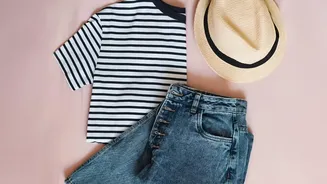
Once you have your color story, focus on selecting core pieces that are true multitaskers. Bottoms are a great place to start, as they are often heavier and bulkier; most trips can be handled with just two or three pairs. Think about a pair of well-fitting jeans or trousers that can be dressed up or down, a versatile skirt, or comfortable shorts. Tops are lighter and easier to pack, so you have more flexibility there. A classic dress or jumpsuit is another excellent choice, as it’s a complete outfit in one piece that can be transformed with different shoes or a jacket. The goal is to choose items that can pull double or even triple duty across your itinerary.
Lay It All Out and Create Outfits
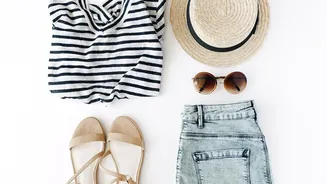
This is the most crucial step. Gather all the potential clothing items you’ve selected and lay them out on your bed or a floor. Now, start building specific, head-to-toe outfits for each day or activity on your list. This is where you confirm your choices. Does that top really work with those pants? Do you have the right shoes for that dress? Be honest. If a piece of clothing only works in one very specific combination, consider leaving it behind. It’s better to pack your tried-and-true favorites rather than new items you haven't worn before, which could be uncomfortable.
Document and Edit
As you create each successful outfit, take a quick photo of it with your phone. This creates a visual catalog that you can reference during your trip, eliminating the morning guesswork of what to wear. It serves as proof that you have enough options and helps you remember those clever combinations you came up with at home. After you’ve assembled and photographed your looks, perform a final edit. Look at everything you’ve planned. Do you have more outfits than you need? You can likely pare down the selection. Only the items featured in your photographed outfits should make it into the suitcase. This final, ruthless edit is what guarantees a lighter, more efficient bag.