








The City That Never Cools
We've all felt it. A city in the grip of a heatwave is noticeably hotter and more suffocating than the surrounding countryside. This phenomenon is called the Urban Heat Island (UHI) effect. Cities, with their dense concentration of buildings, roads, and other
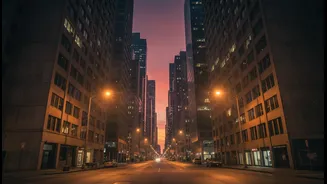
infrastructure, absorb and re-emit the sun's heat more than natural landscapes do. Natural environments have trees for shade and bodies of water for evaporative cooling. Cities, on the other hand, are covered in dark, impermeable surfaces that bake all day long, creating pockets of intense heat that can be several degrees warmer than nearby rural areas. This temperature difference isn't just a daytime problem; it becomes even more pronounced after sunset.
Concrete: The Urban Heat Sponge
At the heart of this issue is concrete. Think of the vast stretches of concrete in our cities – from soaring skyscrapers and sprawling flyovers to pavements and parking lots. This material has a high thermal mass, which means it is incredibly good at absorbing and storing heat. Throughout the day, as the sun beats down, this concrete jungle acts like a giant sponge, soaking up enormous amounts of thermal energy. While a field or forest would quickly cool after sunset, concrete holds onto this heat stubbornly. It has what is known as a high heat capacity, able to store roughly 2,000 times as much heat as the same volume of air.
The Post-Midnight Heat Dump
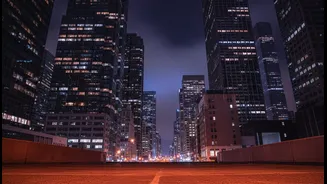
This is where the delayed cooling cycle kicks in. Instead of releasing its stored heat quickly as evening falls, concrete does so slowly and gradually, a process that can last all night. The peak of this heat release often occurs well after midnight, precisely when our bodies expect the environment to be at its coolest. This 'thermal flywheel' effect means that while suburban and rural areas are cooling down, the urban core remains stubbornly warm, preventing any real relief. Studies show that nighttime temperatures in dense urban centres can be up to 5°C higher than in surrounding areas, directly because of this slow release of heat from man-made materials. This effectively robs city dwellers of the natural cooling period that is essential for restorative sleep and general health.
The Human Cost in Indian Cities
In rapidly urbanising Indian cities like Delhi, Mumbai, and Bengaluru, this effect is particularly severe. The constant construction replaces cooling green spaces with heat-trapping concrete, intensifying heatwaves. The lack of nighttime cooling has serious consequences. It disrupts sleep, which can lead to a host of health problems including impaired cognitive function, increased stress, and a higher risk of metabolic disorders. Furthermore, studies have shown that high nighttime temperatures carry an additional risk of mortality, particularly for those with pre-existing conditions like stroke. This relentless heat also drives up the demand for air conditioning, which consumes massive amounts of electricity and releases more heat into the environment, creating a vicious cycle of warming.
Designing Cooler Cities for Tomorrow
The good news is that we can design our way out of this problem. Solutions lie in smarter urban planning and the adoption of 'cool' technologies. Implementing more 'Green and Blue Infrastructure'—such as parks, green roofs, and restoring water bodies—can provide significant cooling through shade and evapotranspiration. Even small changes, like adding 5% more tree cover, can make a difference. Innovations in building materials, such as reflective 'albedo' concrete or permeable concrete that allows water to evaporate and cool the surface, offer another path forward. Some Indian cities, like Ahmedabad and Mumbai, have already started implementing Heat Action Plans and promoting nature-based solutions, showing a commitment to building more resilient and liveable urban futures.